
Bird feet: structure, toe arrangements and ecological adaptations
Overview of bird feet anatomy and types — toe arrangements, webbing and lobes, raptorial adaptations, evolutionary origins and examples illustrating their ecological roles.
Bird feet are highly modified limbs that reflect feeding habits, locomotion and habitat. They originate from the basic pentadactyl limb of early land vertebrates and are one expression of the wider tetrapod blueprint shared by tetrapods. Modern birds retain at most four toes, a condition inherited along with many other skeletal traits from their dinosaur ancestors, especially theropod dinosaurs. Variation in toe number, position and soft tissues produces the wide range of foot forms seen across bird species.
Image gallery
10 Images


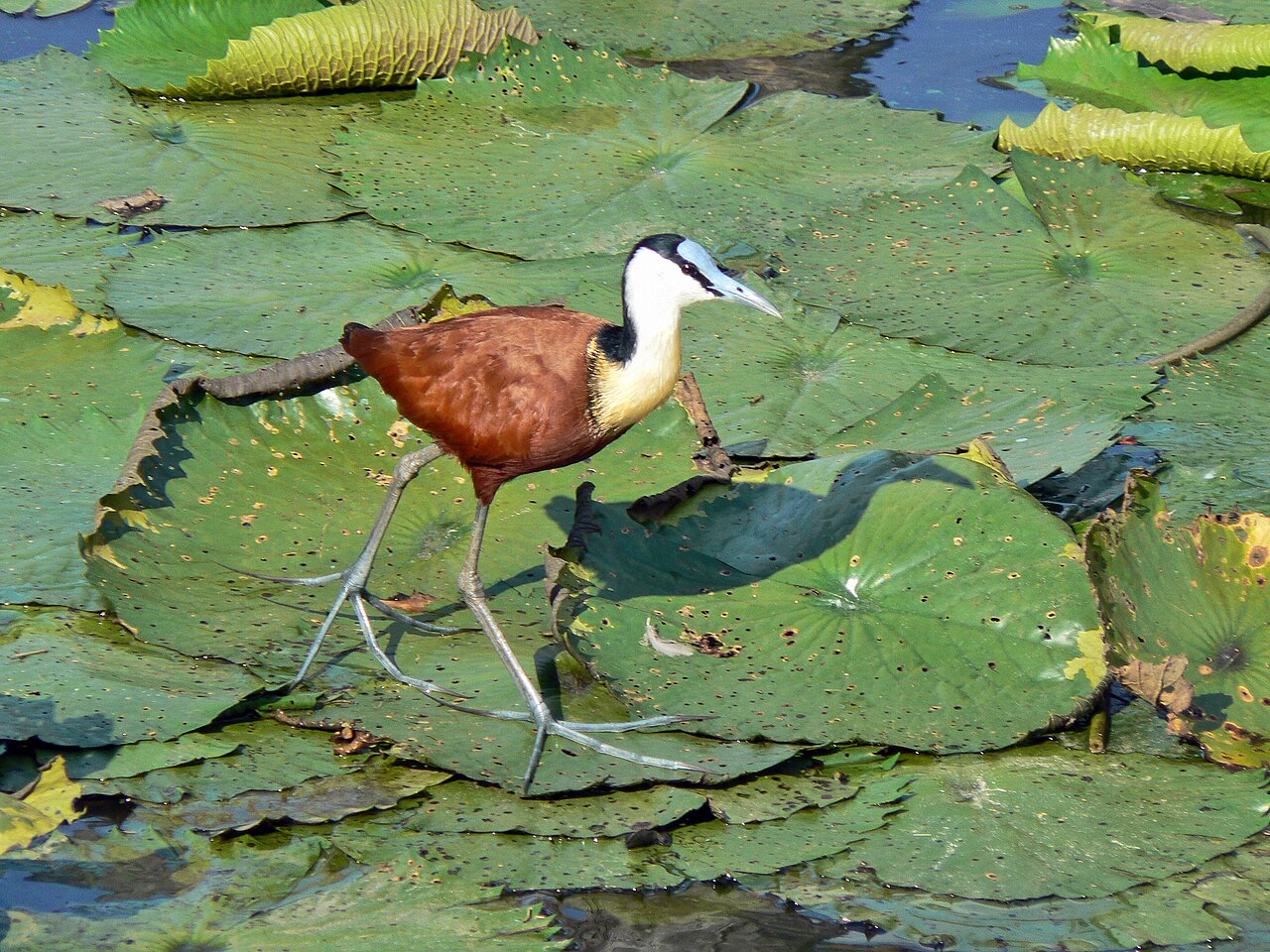


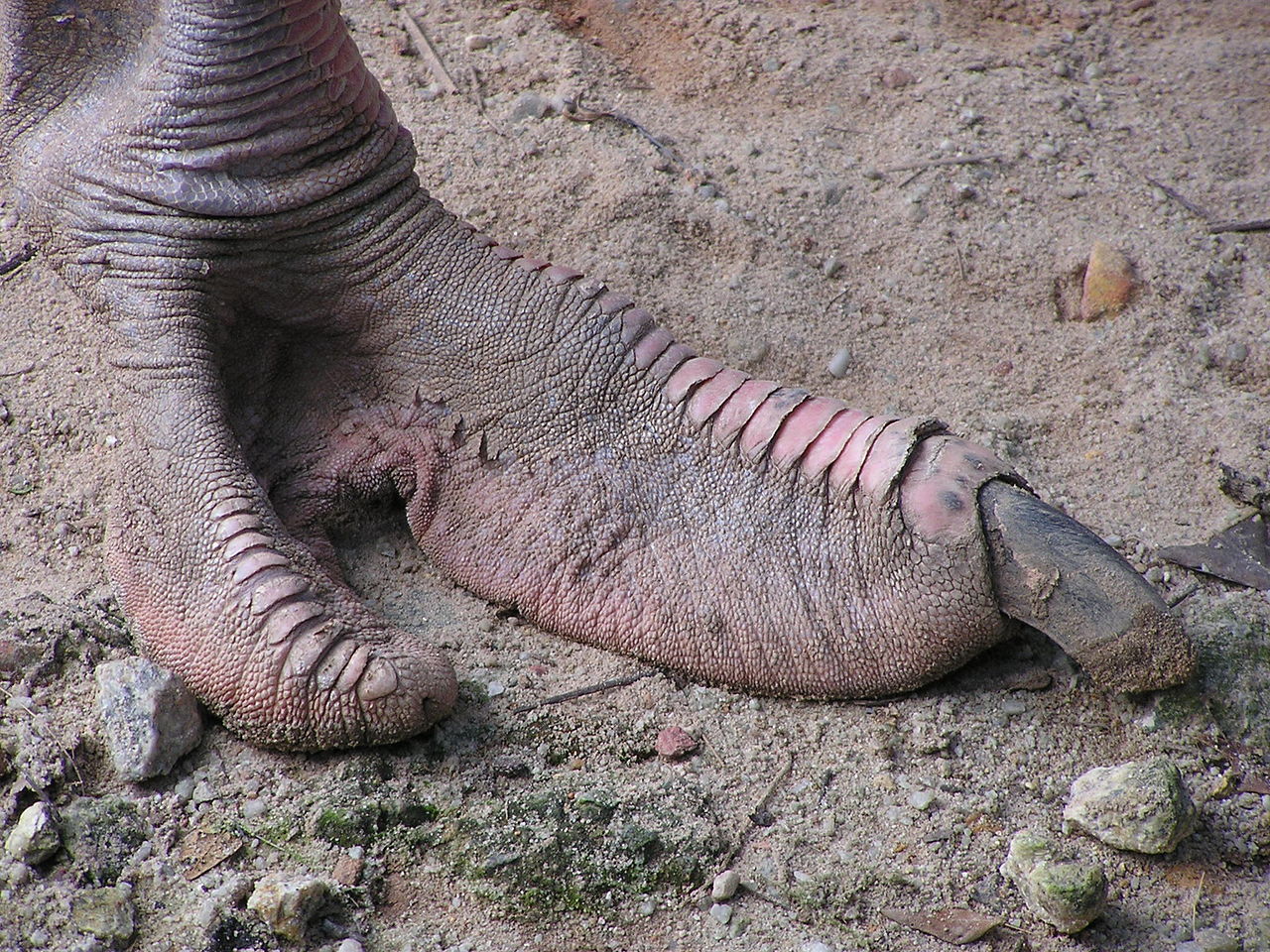

Common toe arrangements
- Anisodactyl — three toes forward and one backward (hallux). Typical of perching songbirds and many passerines; well suited to grasping branches.
- Zygodactyl — two toes forward and two backward. Found in parrots, woodpeckers and some owls; helpful for climbing and clutching vertical surfaces.
- Heterodactyl — similar to zygodactyl but with a different toe pairing; characteristic of trogons and unique among birds.
- Pamprodactyl — toes that can be rotated so all or most face forward, as in some swifts; allows firm clinging on vertical surfaces.
- Syndactyl — partial fusion of adjacent toes, seen in kingfishers and some hornbills, often reducing weight or strengthening a digging/pursuit stroke.
- Didactyl — only two functional toes, as in ostriches; specialized for fast running on open ground.
Beyond toe arrangement, surface modifications are important. Webbing between toes (palmate, semipalmate, totipalmate) enables swimming, diving and efficient paddling; palmate webbing occurs in ducks and gulls, totipalmate in pelicans and gannets, and semipalmate in shorebirds. Lobed toes—with flattened, flexible edges—occur in grebes and coots and improve propulsion without full webbing.
Raptorial feet are another major category: thick, muscular toes armed with curved talons are typical of hawks, eagles, falcons and owls. Many of these birds possess a strong, often reversible hallux that helps secure prey. The perching reflex, a passive tendon-locking mechanism, allows small birds to grip branches tightly while sleeping without conscious effort.
Evolutionary and functional significance
Foot structure provides valuable clues to ecology and evolutionary relationships. Paleontological and comparative anatomy studies link modern avian foot types to dinosaurs and to shifts from ground-dwelling to arboreal life. In field biology and birdwatching, toe arrangement and the presence or absence of webbing, lobes or specialized scales are routinely used to identify species and infer behavior—whether a bird swims, probes mud, perches on twigs, climbs tree trunks or captures live prey.
Notable examples illustrate the range of solutions: penguins have flattened, webbed feet that help steer underwater; woodpeckers use zygodactyl feet and stiff tail feathers to climb trunks; trogons alone exhibit heterodactyl feet; and ostriches have reduced toes for efficient cursorial life. Together, these forms show how a common ancestral limb has been reshaped into tools for survival in nearly every habitat occupied by birds.
Questions and answers
Q: What are bird feet?
A: Bird feet are the appendages that are specifically adapted to the life that birds lead.
Q: How are the patterns of bird feet useful in avian classification?
A: The patterns of bird feet are often used in avian classification because the feet are specifically adapted to the bird's lifestyle and environment.
Q: From which ancestral tetrapod are bird feet derived?
A: Bird feet are derived from the basic limb of ancestral tetrapods, the pentadactyl limb.
Q: How many fingers and toes do humans have?
A: Humans (and other primates) have the original five fingers and five toes.
Q: How many toes do birds have?
A: Birds have no more than four toes.
Q: Where did birds inherit their four toes from?
A: Birds inherited their four toes, along with over a hundred anatomical features, from theropod dinosaurs.
Q: Into how many main patterns are bird toes arranged?
A: Bird toes are arranged into four main patterns.
Related articles
Author
AlegsaOnline.com Bird feet: structure, toe arrangements and ecological adaptations Leandro Alegsa
URL: https://en.alegsaonline.com/art/11701
Sources
- springerlink.com : "Earliest zygodactyl bird feet: evidence from Early Cretaceous roadrunner-like tracks"
- sandiegozoo.org : San Diego Zoo's Animal Bytes: Ostrich