
Bilateria: Bilaterally Symmetrical Animals and Their Body Plans
Bilateria are animals with bilateral symmetry and distinct front/back and left/right axes. They include most animal phyla, show cephalization and three germ layers, and split into major developmental lineages.
The Bilateria are the large group of animals that show bilateral symmetry, meaning their bodies have distinct front (anterior) and back (posterior) ends as well as left and right sides. This basic plan contrasts with radial or simple body layouts and underlies much of animal diversity. Bilateral symmetry (bilateral symmetry) is associated with directed movement and a concentration of sense organs and nerve tissue toward the front of the body.
Image gallery
9 Images

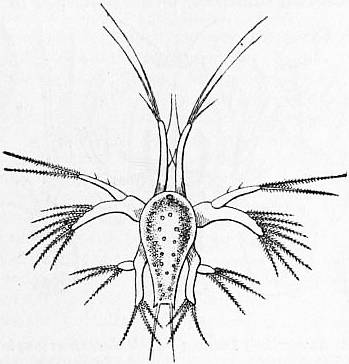


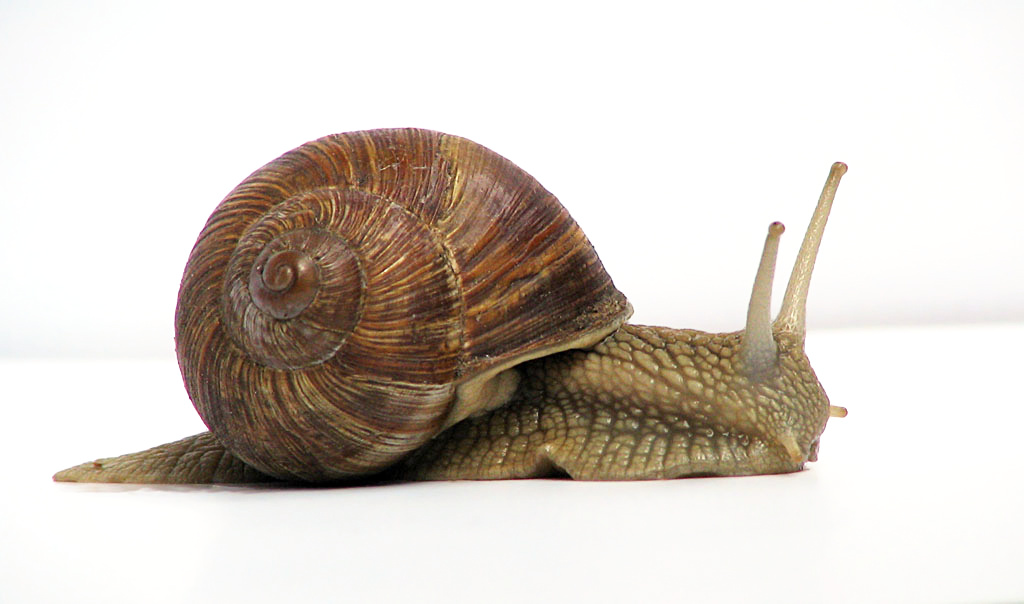

Characteristics
Typical features of bilaterians include three embryonic germ layers (ectoderm, mesoderm and endoderm), a central nervous system or nerve cords, and often a body cavity (coelom) of varying types. Many bilaterians exhibit cephalization (a head region), bilateral nervous tracts, and paired appendages or segmentation in various forms. Variations include acoelomates (no body cavity), pseudocoelomates and true coelomates.
Classification and evolution
Bilateria are commonly divided into major lineages such as protostomes and deuterostomes, which differ in aspects of embryonic development. These animals radiated early in animal evolution and became prominent during the period when complex body plans emerged and diversified. Some groups, like echinoderms, have secondarily returned to radial symmetry as adults while retaining bilateral larvae.
Examples and importance
- Major bilaterian phyla include arthropods, molluscs, annelids and chordates.
- Humans and other vertebrates are bilaterians and share many common developmental features with invertebrate groups.
- Bilateral organization enabled active locomotion, predation, and more complex behaviors, shaping ecosystems and evolution.
Notable facts: while most described animal species are bilaterians, non-bilaterian animals such as sponges and cnidarians represent earlier-branching body plans. Within Bilateria there is wide variation in form and life history, from microscopic worms to large vertebrates, illustrating how a simple symmetry axis can support great anatomical and ecological diversity.
Related articles
Author
AlegsaOnline.com Bilateria: Bilaterally Symmetrical Animals and Their Body Plans Leandro Alegsa
URL: https://en.alegsaonline.com/art/11422