
Bignose shark (Carcharhinus altimus)
A medium-large requiem shark of tropical and subtropical seas. Characterized by an elongated snout, reaches about 3 m, inhabits continental shelf edges to ~430 m, and is taken as bycatch in some fisheries.
Overview: The bignose shark, also called Knopp's shark, is a species of shark scientifically named Carcharhinus altimus. It belongs to the genus Carcharhinus and the family Carcharhinidae. Adults can reach roughly 3 metres (about 9.8 ft) in length and weigh on the order of 160–170 kg. The species is associated with deeper coastal waters and the upper continental slope rather than shallow inshore habitats.
Image gallery
8 Images
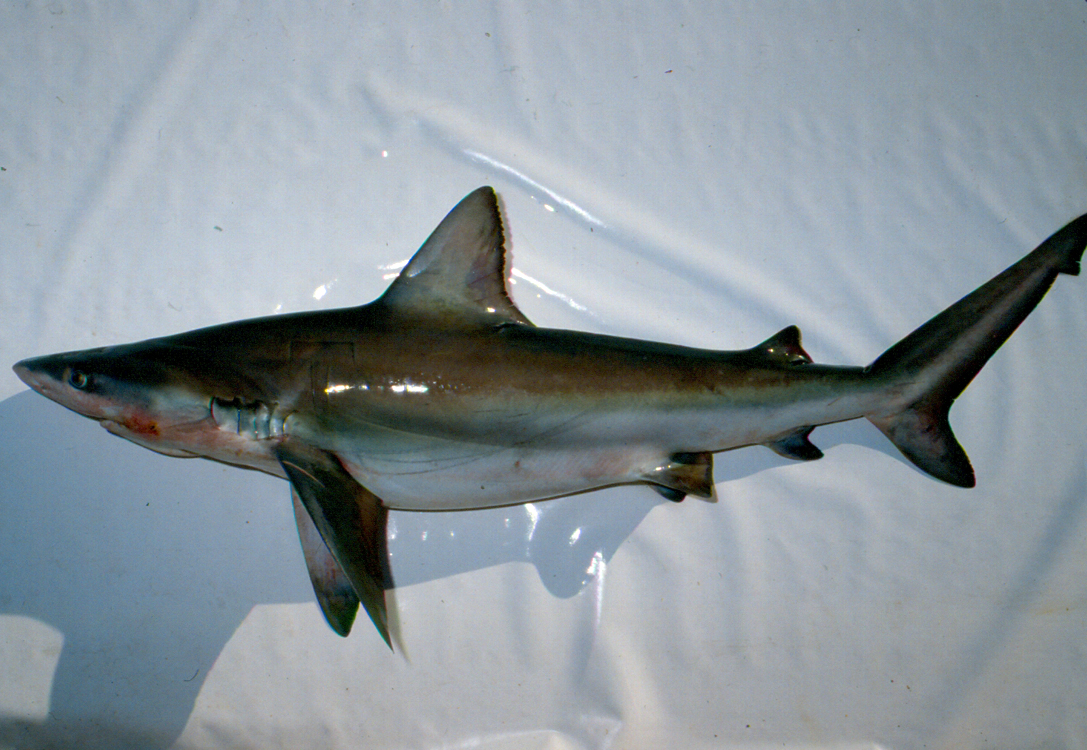

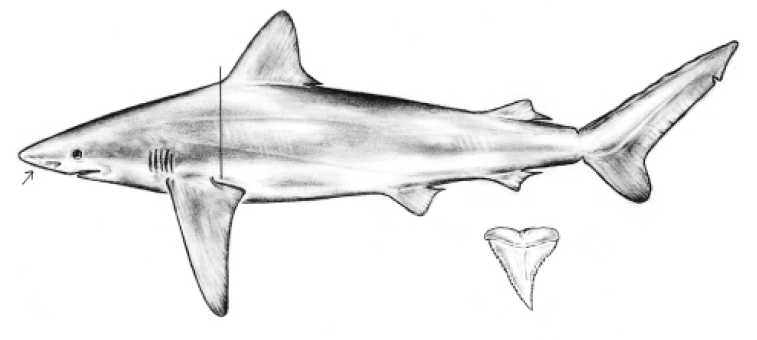


Identification and characteristics
The bignose shark is named for its relatively long, broad snout and enlarged nasal area. General coloration is usually brownish to gray above and lighter below, with a robust body, moderately large dorsal and pectoral fins, and typical requiem-shark dentition. Key field marks include an elongated rostrum, sizeable nostrils, and proportionally large second dorsal fin compared with some congeners.
- Size: up to about 3 m (9.8 ft) adult length.
- Form: sturdy, fusiform body with broad snout.
- Fins: moderately high dorsal fins, no conspicuous fin markings.
Distribution and habitat
Bignose sharks inhabit tropical and subtropical oceans worldwide, frequenting the outer continental shelf and upper slope. They are most often recorded at depths down to around 430 m (1,410 ft) and are less common in shallow coastal waters. Records come from several ocean basins, where populations occupy offshore shelf edges and insular slopes.
Biology and ecology
Like many requiem sharks, the bignose is a predator of demersal and pelagic fishes, cephalopods, and sometimes crustaceans. Reproductive mode is viviparous (live-bearing) with embryos nourished by a placental connection after yolk sac depletion, a characteristic of the family; litter sizes and precise life-history parameters vary by region and are incompletely known.
Human interactions and conservation
Bignose sharks are not generally considered dangerous to humans but are taken incidentally in deepwater trawl, gillnet and longline fisheries and can be landed for meat and fins. Because they occupy deeper waters and reproduce relatively slowly, local populations can be vulnerable to overfishing. Conservation assessments and management measures differ by region, and ongoing monitoring and research are needed to clarify population trends and inform fisheries regulation. For more taxonomic and species details see Knopp's shark notes and regional reports at taxonomic resources.
Useful resources and databases with additional information include species summaries and regional field guides (species profile), comparative accounts of requiem sharks (genus overview), and fisheries impact studies (fishery reports).
Questions and answers
Q: What is a bignose shark?
A: A bignose shark (Carcharhinus altimus) is a species of shark in the family Carcharhinidae.
Q: What is the maximum length of a bignose shark?
A: The maximum length a bignose shark can reach is 9.8 feet (3 metres).
Q: How much can a bignose shark weigh?
A: A bignose shark can weigh up to 370 pounds (168 kg).
Q: Where is the bignose shark found?
A: The bignose shark is found in tropical and subtropical regions along the edges of continental shelves and insular slopes.
Q: What is the depth range of the bignose shark?
A: The bignose shark can be found at depths of up to 1,410 feet (430 metres).
Q: Does the bignose shark belong to a specific genus?
A: Yes, the bignose shark belongs to the genus Carcharhinus.
Q: What is another name for the bignose shark?
A: The bignose shark is also known as the Knopp's shark.
Related articles
Author
AlegsaOnline.com Bignose shark (Carcharhinus altimus) Leandro Alegsa
URL: https://en.alegsaonline.com/art/11396
Sources
- flmnh.ufl.edu : "FLMNH Ichthyology Department:Bignose shark"
- marinebio.org : "Bignose Sharks, Carcharhinus altimus~MarineBio.org"