
1987 Pacific hurricane season
Summary of the 1987 Pacific hurricane season, its timeframe, notable storms (Eugene, Pilar, Norma, Ramon, Peke), basin monitoring, and overall impacts including limited landfall activity.
Overview
The 1987 Pacific hurricane season followed the conventional northeastern Pacific window, beginning on May 15 in the eastern portion of the basin and on June 1 in the central Pacific, and ending on November 30. These dates are the established period when most tropical cyclones commonly form in the northeastern Pacific Ocean. The season produced twenty cyclonic disturbances, but comparatively few produced significant impacts on land.
Image gallery
10 Images
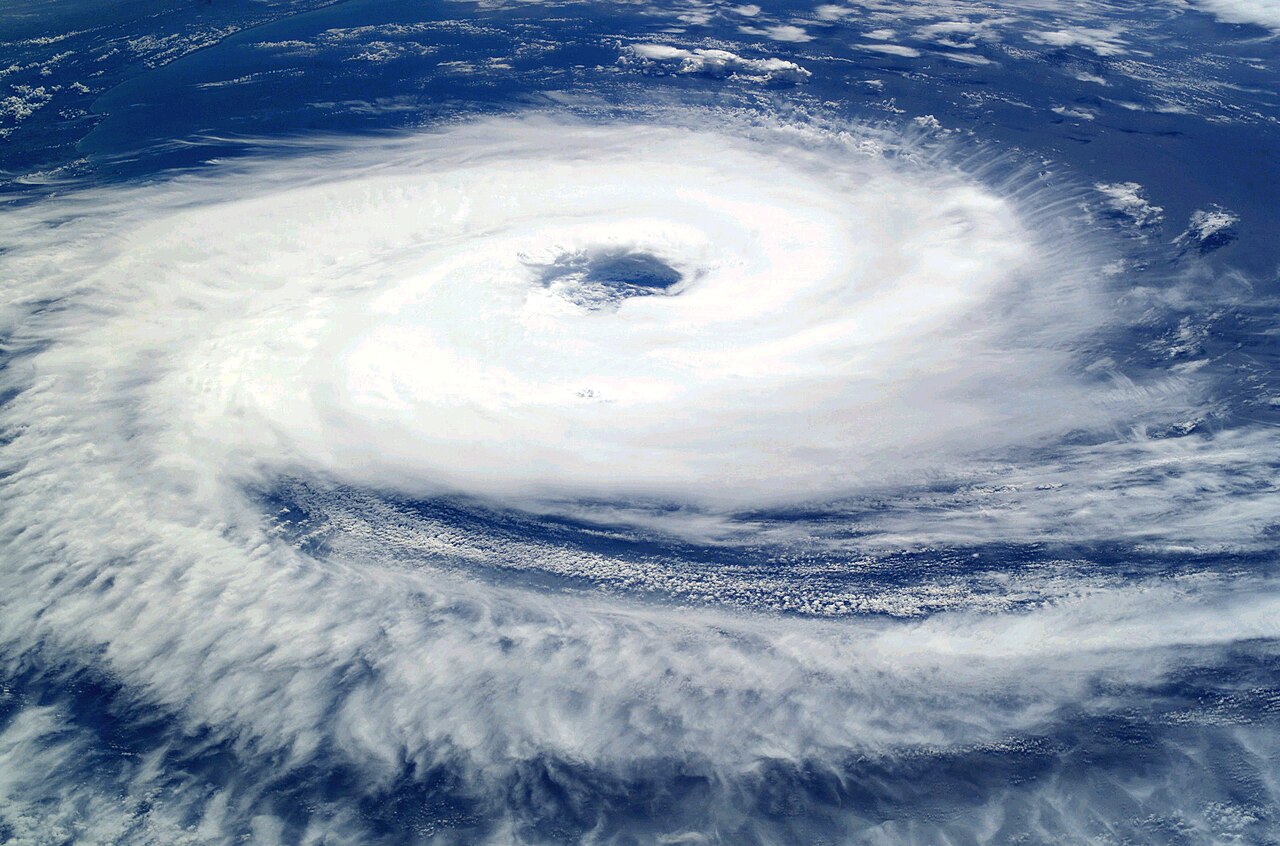


Season summary and notable features
Although two dozen systems (including depressions, tropical storms and hurricanes) were tracked during 1987, the season was distinguished more by the scarcity of landfalls and major impacts than by intense storm activity. Only a handful of systems approached continental Mexico or the Hawaiian Islands closely enough to cause concern. The most frequently discussed systems from 1987 include Hurricane Eugene, Tropical Storm Pilar, Hurricane Norma, Hurricane Ramon and Hurricane Peke.
Notable storms
- Hurricane Eugene — Reported as a rare July landfalling Pacific hurricane for Mexico, Eugene was notable for being identified as the first Pacific hurricane to make landfall in Mexico in July since at least the late 1940s. Its approach and landfall drew attention because July landfalls in that portion of the season are uncommon. More on season timing.
- Tropical Storm Pilar — One of the few named storms to approach Mexican waters closely in 1987, Pilar brought localized coastal effects and demonstrated the difficulties forecasters face when predicting nearshore cyclone motion.
- Hurricane Norma — Norma moved near enough to Mexico to raise warnings and later its remnants contributed to rainfall as far north as the continental United States, illustrating how decaying tropical systems can influence weather well away from landfall points. Season context.
- Hurricane Ramon — Like Norma, Ramon did not produce a major direct landfall but its remnants produced measurable precipitation over parts of the Continental United States, emphasizing the cross-border reach of Pacific tropical moisture.
- Hurricane Peke — A central North Pacific system of particular interest because it crossed the international date line and was reclassified as a typhoon in the western Pacific basin. Systems that cross the dateline are tracked by different meteorological agencies depending on their longitude. Tracking across basins.
Basin boundaries and monitoring
The northeastern Pacific basin is commonly split into the eastern region (east of 140°W) and the central region (between 140°W and the international date line). Forecast and warning responsibility is shared: the U.S. National Hurricane Center issues advisories for the eastern Pacific, while the Central Pacific Hurricane Center covers the central Pacific. When storms cross the dateline into the western Pacific, responsibility is typically transferred to agencies such as the Japan Meteorological Agency and regional warning centers. These institutional arrangements shape how storms like Peke are named and classified as they move between basins. Monitoring agencies basin definitions.
Impacts and legacy
Overall impact to populated areas in 1987 was limited compared to seasons in which multiple hurricanes strike major coastal population centers. The primary effects reported were localized coastal damage risks, rainfall and flooding where remnants reached inland areas, and maritime hazards for shipping and fishing. The season is sometimes remembered for Eugene's unusual July landfall and for Peke crossing into the western Pacific, both reminders that significant events are possible even in seasons that otherwise appear quiet.
Climatological notes and distinctions
Pacific hurricane seasons are influenced by larger-scale climate factors such as El Niño–Southern Oscillation, sea surface temperatures and atmospheric wind patterns. These influences affect storm frequency, tracks and intensities from year to year. The 1987 season fits into the broader record as a year with a fair number of cyclones but relatively few that caused major land impacts, illustrating the difference between raw storm counts and the human or economic significance of a season. For further reading on records, naming conventions and historical comparisons, see general references on Pacific tropical cyclone climatology. Climatology overview naming and records historical seasons.
Related articles
Author
AlegsaOnline.com 1987 Pacific hurricane season Leandro Alegsa
URL: https://en.alegsaonline.com/art/112210