
1997 Atlantic hurricane season
A below-average Atlantic hurricane season running June 1–November 30, 1997, with seven named storms, limited damage and fatalities, and notable influence from a strong El Niño.
Overview
The 1997 Atlantic hurricane season officially spanned June 1 through November 30, though the first system formed a day earlier. Activity that year was well below what is typical for the Atlantic basin: only seven systems reached the threshold for a name. Most storms were short lived or remained over open water, and the season produced relatively little damage compared with more active years.
Image gallery
10 Images




Timeline and notable systems
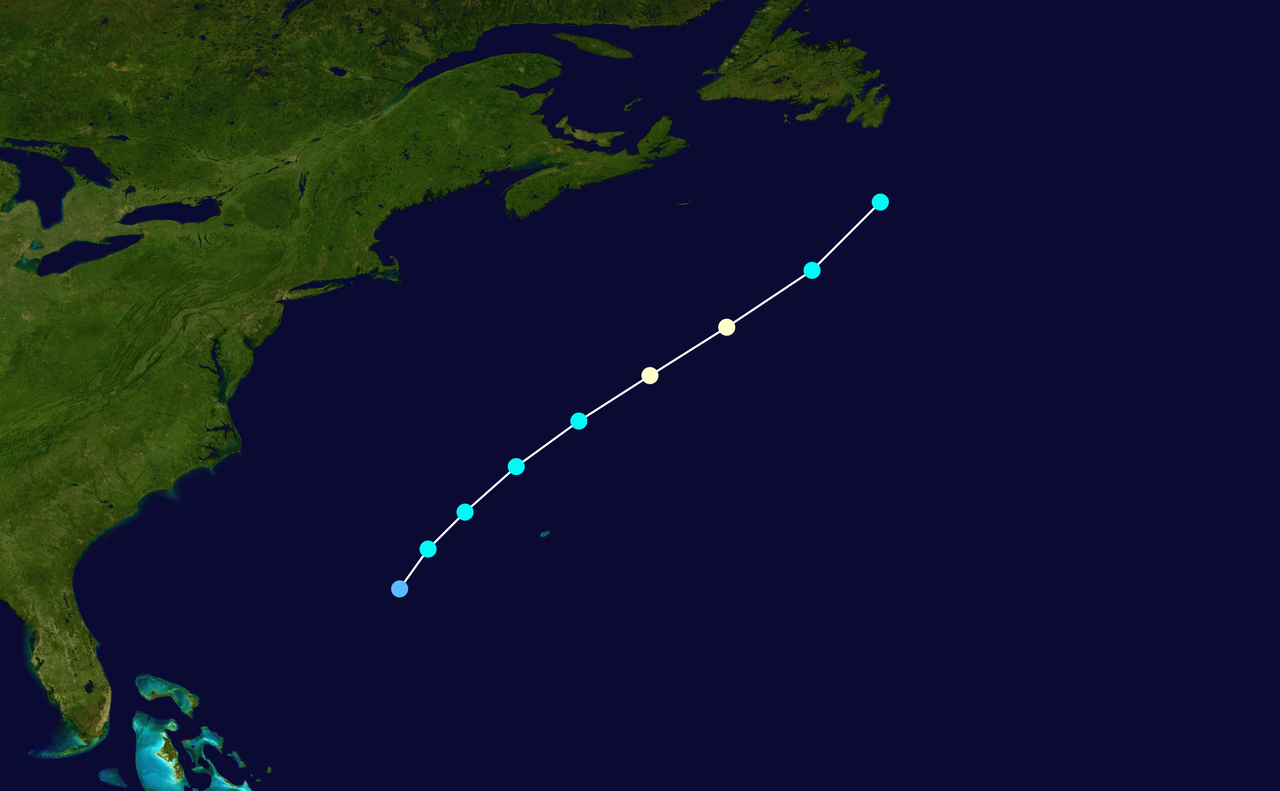
Although the official season dates were observed, an early subtropical system developed on May 31. That system is often referred to as Subtropical Storm One in season summaries. The only storm in 1997 that produced substantial effects on land was Hurricane Danny; other named storms caused limited or localized impacts. Overall reported fatalities were small for an Atlantic season and monetary damages were modest.
Meteorological factors
Large-scale climate conditions played a significant role in suppressing Atlantic activity in 1997. A strong El Niño event increased wind shear over the tropical Atlantic, making it harder for tropical waves to organize into long-lived hurricanes. Sea surface temperatures and atmospheric stability also influence seasonal activity, and in 1997 those factors combined to limit the number and intensity of storms.
Impacts and statistics
Recorded impacts for the season were limited: official summaries attribute on the order of a dozen fatalities and a relatively small total in economic losses compared to more destructive years. Damage was concentrated where individual systems made landfall or produced heavy rain, with Hurricane Danny the most consequential storm for people and infrastructure. For detailed storm tracks and reports, see the season summary at official seasonal archives.
Forecasting, preparedness and response
Warnings, watches, and preparedness actions followed standard protocols. Even in quieter seasons, meteorologists continue to monitor tropical waves closely because a single storm can still produce flooding, storm surge, or hazardous marine conditions. The 1997 season reinforced the need for readiness despite lower overall activity.
Legacy and distinguishing features
- Below-average number of named storms compared with long-term climatology.
- Early formation of a subtropical system on May 31, just before the official start date.
- Influence of a strong El Niño, which tended to suppress Atlantic hurricane development that year.
While not among the most destructive seasons on record, 1997 is notable for its low activity and for illustrating how global climate patterns modulate tropical cyclone formation in the Atlantic basin.
Related articles
Author
AlegsaOnline.com 1997 Atlantic hurricane season Leandro Alegsa
URL: https://en.alegsaonline.com/art/112276