
1990 Atlantic hurricane season: summary, storms, and impacts
Review of the 1990 Atlantic hurricane season, its storms, timelines, impacts, and significance; includes storm counts, notable features, and why the season was noteworthy.
Overview
The 1990 Atlantic hurricane season officially ran from June 1 through November 30. In practice, tropical cyclones can form outside those dates: the first system of 1990, Tropical Depression One, developed on May 25. Forecasters and historical summaries describe the season as unusually active, producing a higher than normal tally of systems across the Atlantic basin.
Image gallery
10 Images
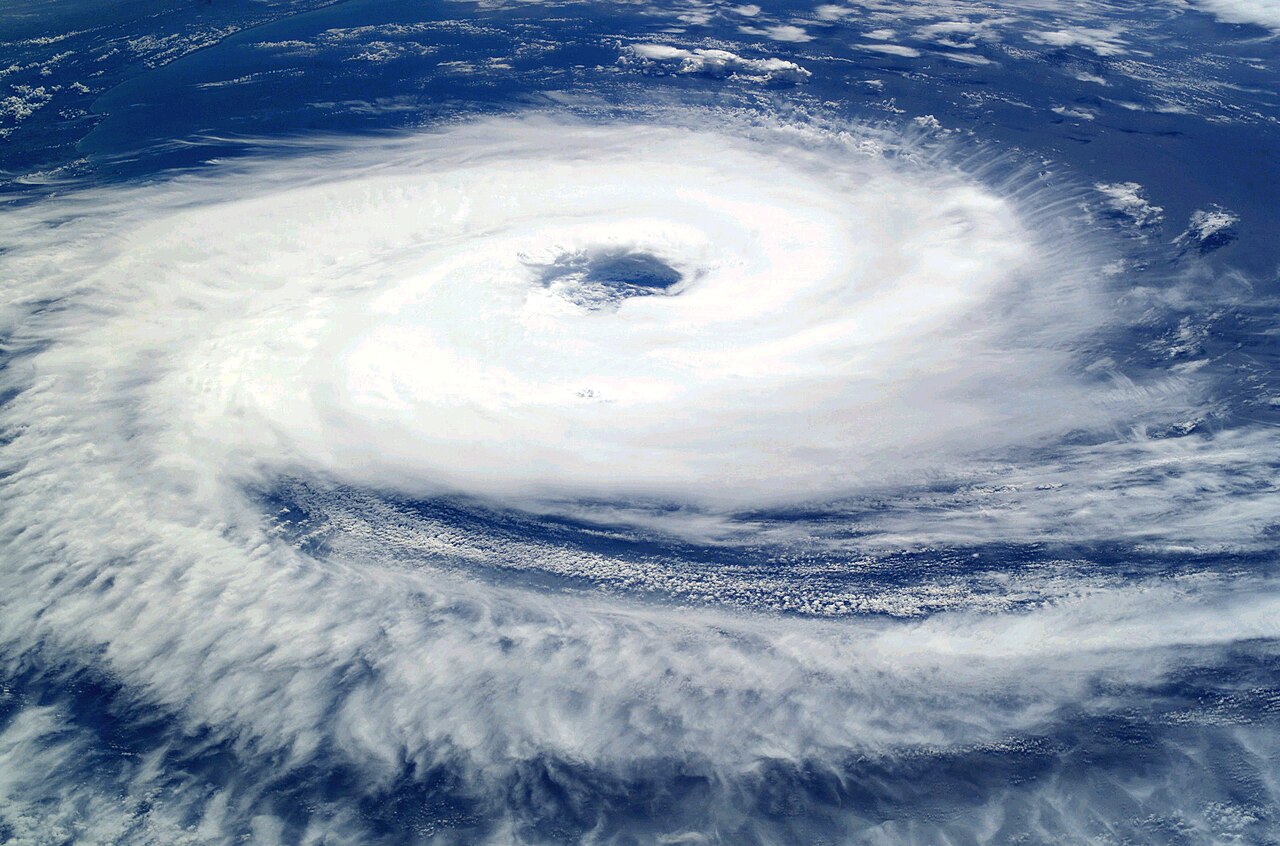


Storm counts and classification
Storms are grouped by intensity: tropical depressions, tropical storms, hurricanes (winds of at least 74 mph), and major hurricanes (category 3 or higher). The 1990 season produced a mix of weaker and stronger systems. In total it included:
- 2 tropical depressions that did not reach tropical storm strength,
- 6 named tropical storms,
- 7 hurricanes, and
- 1 major hurricane.
These counts made 1990 one of the most active seasons recorded up to that point in the modern record, with a notable proportion of systems attaining hurricane strength.
Timeline and notable features
Although most tropical cyclones form between June and November, the May formation of Tropical Depression One illustrated that conditions can be favorable earlier in the year. Many storms in 1990 developed over open ocean and tracked northward or recurved without making significant landfall. Because of this, a number of systems remained at sea for much of their lifetimes, limiting direct coastal impacts compared with some other active seasons.
Impacts, damage, and casualties
Despite the season’s high activity, overall loss of life and financial damage were relatively moderate for a season of this intensity. Reported figures place the death toll near 116 and estimated property and economic losses around $150 million (in the currency values reported at the time). Those totals were lower than might be expected because several storms stayed over water and only a few systems produced destructive landfalling winds or widespread flooding.
Historical significance and meteorological context
The 1990 season is often cited in discussions of variability in Atlantic hurricane activity. It exemplifies how an active season does not necessarily translate into catastrophic land impacts if many cyclones remain maritime. Researchers and forecasters examine seasons like 1990 to study factors that favor storm formation and intensification, including sea-surface temperatures, atmospheric circulation patterns, and vertical wind shear. For contemporary summaries and official season information, see the season overview pages and archives linked by the official start and end dates: season start, season end, and retrospective notes such as the early formation of Tropical Depression One on May 25 and broader season analyses referenced at season summaries.
Legacy and preparedness lessons
Seasons like 1990 reinforce the importance of preparedness even in years when most storms remain offshore. Emergency planners emphasize monitoring of storm tracks, timely warnings, and coastal readiness because a single landfalling hurricane can produce severe local consequences regardless of the aggregate seasonal activity. Historical records from 1990 continue to inform seasonal forecasts and risk assessments used by communities, insurers, and marine interests.
Related articles
Author
AlegsaOnline.com 1990 Atlantic hurricane season: summary, storms, and impacts Leandro Alegsa
URL: https://en.alegsaonline.com/art/112230