
1999 Atlantic hurricane season
The 1999 Atlantic hurricane season produced 12 named storms, including 8 hurricanes and 5 major hurricanes. It is remembered for Hurricane Floyd and the unusual eastward-tracking Hurricane Lenny.
The 1999 Atlantic hurricane season officially extended from June 1 to November 30, the conventional bounds used for tropical cyclone activity in the Atlantic basin. Storms can form outside these dates, but the vast majority develop during this interval. In 1999, observational agencies recorded a total of 12 named storms, of which 8 attained hurricane strength and 5 became major hurricanes (Category 3 or stronger on the Saffir–Simpson scale). The season is notable for a relatively high proportion of intense hurricanes compared with the total number of named storms.
Image gallery
10 Images
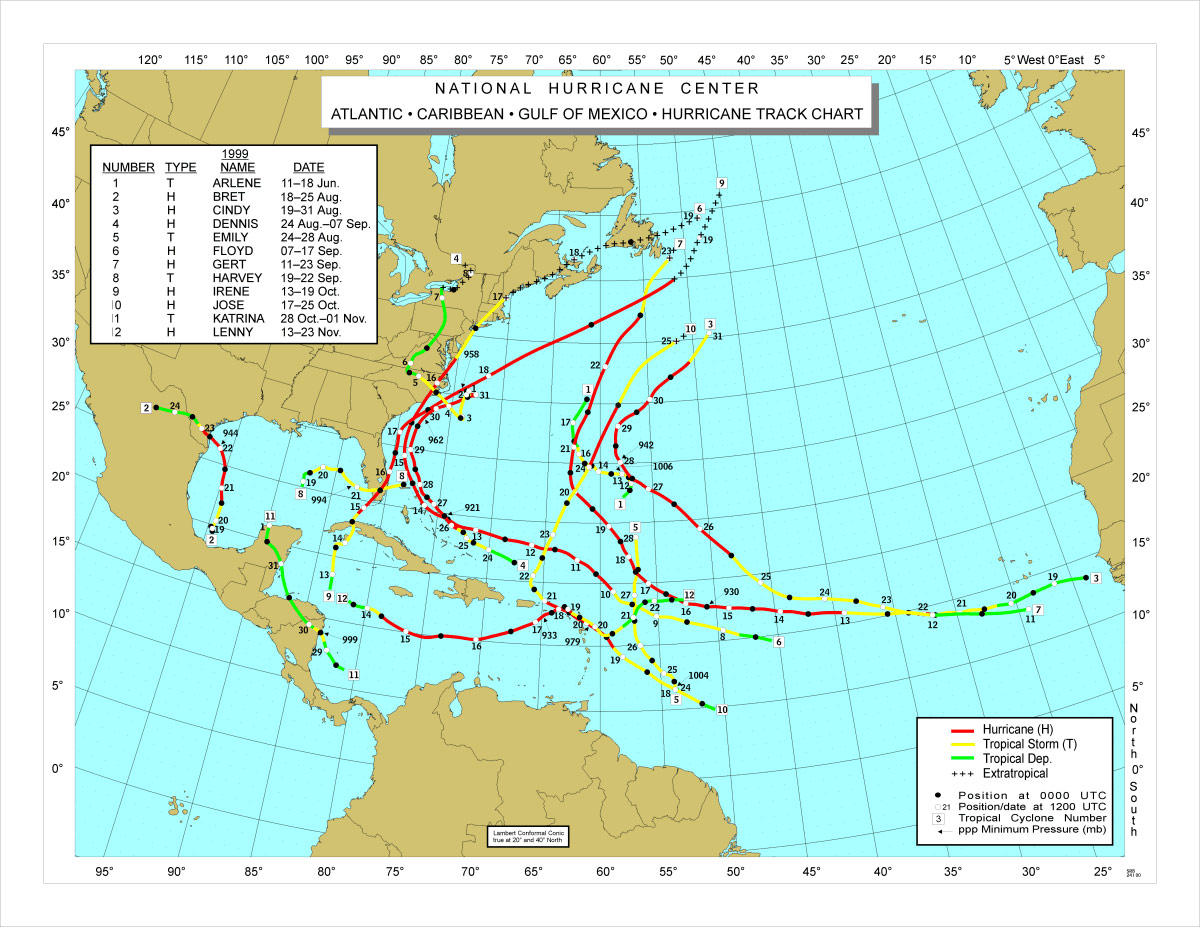


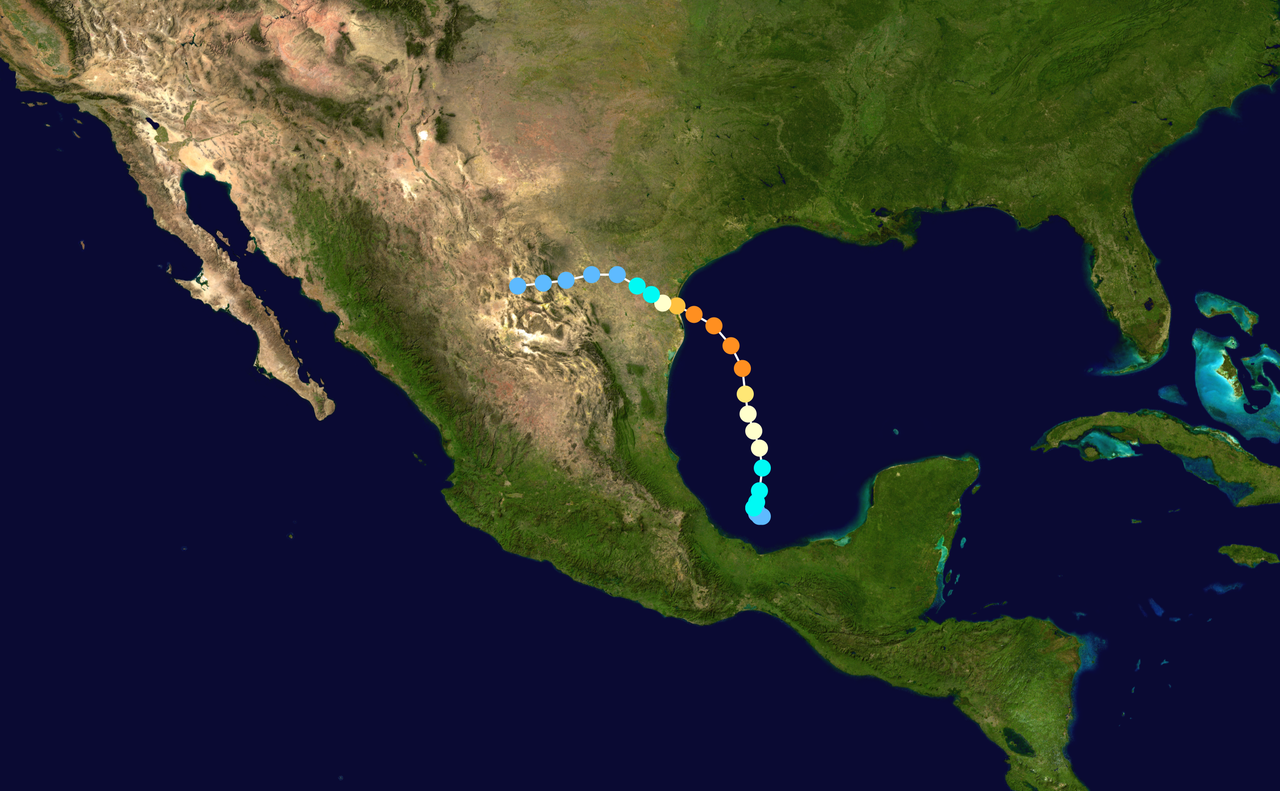
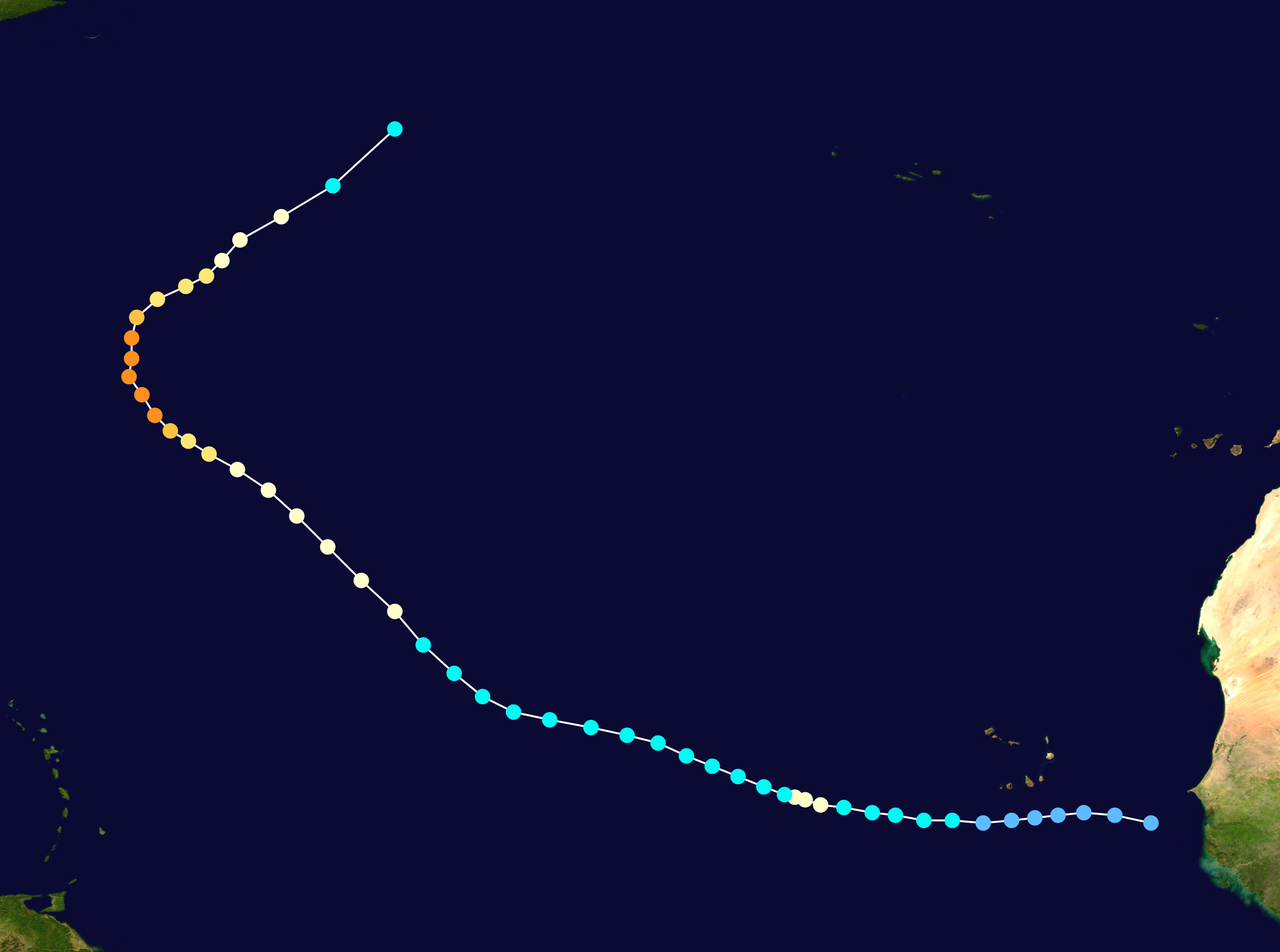


Season overview
Most development occurred during the climatological peak in August and September, when sea-surface temperatures and atmospheric conditions commonly favor tropical cyclone formation and intensification. Storms in 1999 included a mix of systems that remained over open water and several that approached or made landfall, producing coastal damage, erosion, and inland flooding in affected regions. Although not the most active season on record in terms of total storms, the share of strong hurricanes drew particular attention from forecasters and the public.
Notable storms
Hurricane Floyd was among the season's most consequential systems. It produced widespread impacts where it affected land, including strong winds, storm surge along coastal areas, and significant inland flooding. Floyd prompted large-scale evacuations and is remembered for its substantial social and economic consequences in impacted regions. Another distinctive storm, Hurricane Lenny, tracked in an unusual eastward direction across the Lesser Antilles and the eastern Caribbean. Lenny’s atypical "wrong-way" motion was driven by uncommon mid-level steering currents and resulted in concentrated damage on some islands downwind of its track.
Meteorological factors
Tropical cyclones in the Atlantic basin typically originate from a few common mechanisms: African easterly waves moving westward off the coast of Africa, disturbances forming in the tropical Atlantic or Caribbean, and disturbances or frontal remnants in the subtropics. The evolution of any given storm depends on environmental factors such as sea-surface temperatures, vertical wind shear, mid-level humidity, and the larger-scale steering flow. In 1999, these factors combined to allow several storms to intensify to major hurricane strength while others remained weaker or dissipated over cooler water or in hostile atmospheric conditions.
Impacts and legacy
The season produced notable economic and social impacts in affected countries and U.S. states, including property and infrastructure damage, disruptions to transportation and utilities, and costs associated with emergency response and recovery. Because of its severity and impacts, the name Floyd was subsequently retired from the rotating list of Atlantic storm names. The season reinforced lessons about preparedness, evacuation planning, and the importance of accurate forecasting and communication to reduce loss of life and property during tropical cyclone events.
Preparedness and forecasting
Advances in satellite monitoring, numerical weather prediction, and storm-surge modeling continued to improve forecasts of storm track and intensity by 1999, but challenges remained in predicting rapid changes in intensity and localized flooding impacts. The season highlighted the need for ongoing investments in observation systems, community preparedness programs, and resilient infrastructure in coastal and flood-prone areas.
Related articles
Author
AlegsaOnline.com 1999 Atlantic hurricane season Leandro Alegsa
URL: https://en.alegsaonline.com/art/112287