
2000 Atlantic hurricane season
Overview of the 2000 Atlantic hurricane season: timing, meteorological context, impacts, forecasting, and notable characteristics of storms that formed between June 1 and November 30, 2000.
The 2000 Atlantic hurricane season refers to the period in 2000 when tropical cyclones typically form in the Atlantic basin. The season officially ran from June 1 to November 30, the dates conventionally used to describe when conditions are most favorable for cyclone development. Seasonal summaries group systems that formed anywhere in the Atlantic Ocean, the Caribbean Sea, and the Gulf of Mexico.
Image gallery
10 Images


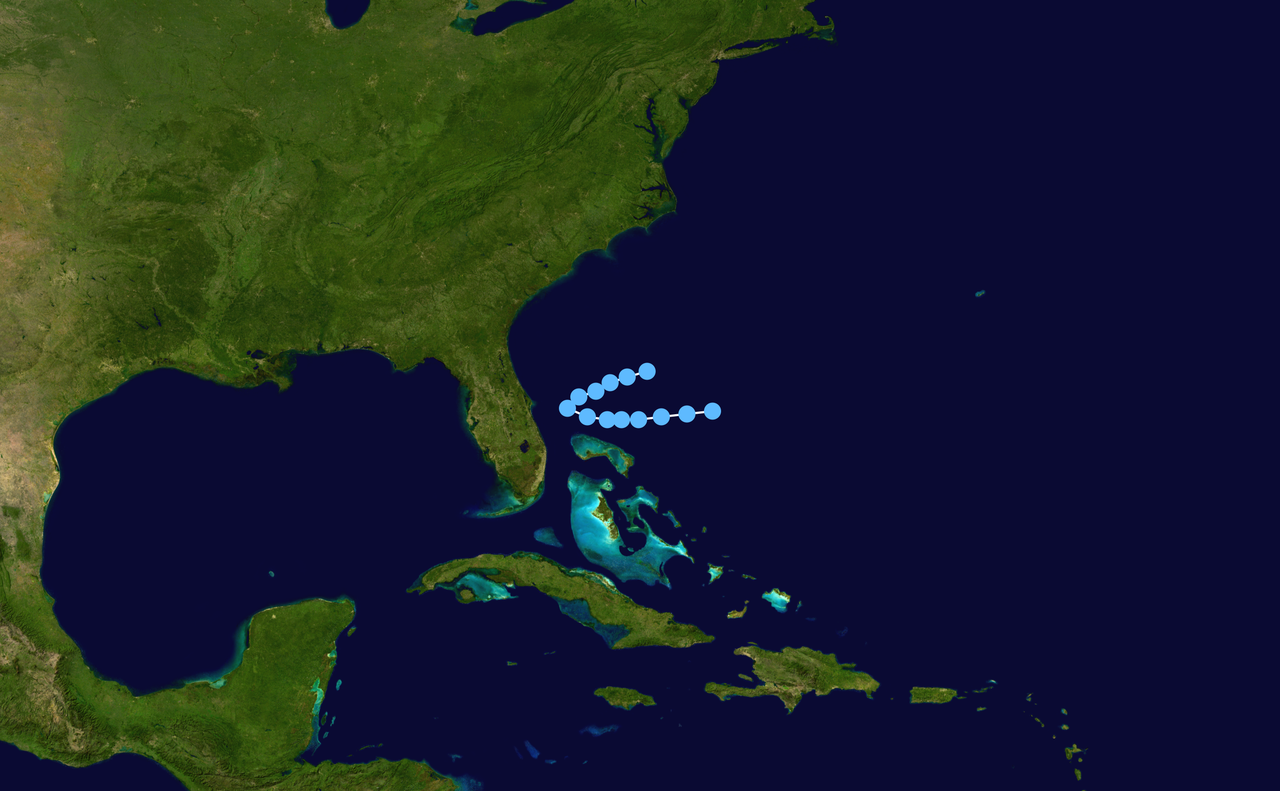


Characteristics and formation
Atlantic tropical cyclones arise from several meteorological ingredients: warm sea-surface temperatures, abundant mid-level moisture, weak vertical wind shear, and disturbances such as African easterly waves. These elements combine to allow clusters of thunderstorms to organize and, under the right circumstances, spin up into tropical depressions, then tropical storms and hurricanes. Intensity is commonly reported using the Saffir–Simpson scale for wind strength and by tracking central pressure and storm structure.
Typical impacts and notable effects
Storms in any season can produce a mix of hazards: hurricane-force winds, damaging storm surge along coasts, torrential rainfall that triggers inland flooding and landslides, and economic disruption to vulnerable communities. The 2000 season included systems that affected island nations, Central American countries, and parts of the United States, producing localized destruction, flooding, and loss of life in affected areas.
Meteorological context and forecasting
Seasonal activity varies from year to year and is influenced by large-scale climate patterns such as the El Niño–Southern Oscillation, Atlantic sea-surface temperatures, and Saharan dust outbreaks. Forecasters used satellite imagery, reconnaissance aircraft, and increasingly sophisticated numerical models to monitor storms, issue watches and warnings, and improve track and intensity forecasts during 2000. Public preparedness, evacuation planning, and emergency response are essential elements that reduce loss of life and property when storms approach land.
Legacy and distinctions
Each hurricane season contributes to understanding tropical cyclones and improving forecasting systems. Reviews of the 2000 season informed post-season analyses, helping meteorologists refine intensity forecasting and assess coastal vulnerability. For a general explanation of the seasonal framework and monitoring practices, see the Atlantic hurricane season overview.
- Key formation factors: warm water, moisture, low shear, and atmospheric disturbances.
- Primary hazards: wind, surge, rainfall flooding, and secondary economic impacts.
- Preparedness: forecasts, warnings, evacuations, and infrastructure resilience.
Related articles
Author
AlegsaOnline.com 2000 Atlantic hurricane season Leandro Alegsa
URL: https://en.alegsaonline.com/art/112315