
1994 Pacific hurricane season
The 1994 Pacific hurricane season ran from May to November and featured an unusual cluster of very intense storms (Emilia, Gilma, John, Olivia) and deadly impacts from Hurricane Rosa in Mexico.
The 1994 Pacific hurricane season followed the conventional tropical cyclone period for the northeastern Pacific. The season officially began on May 15 (1994) for the eastern Pacific and on June 1 for the central Pacific, and it ended on November 30. These dates mark the interval during which the majority of storms form in the northeastern Pacific Ocean.
Image gallery
10 Images


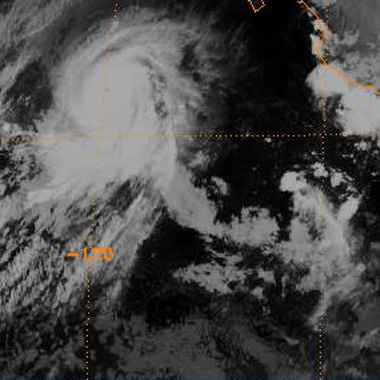


Season summary
The year stands out because a remarkable string of storms reached exceptional intensity. Several hurricanes attained very low central pressures—reported below 930 millibars—making 1994 notable for the number of extremely deep systems. At the same time, other storms produced localized effects such as heavy rain and coastal flooding, illustrating the range of hazards produced even when the basin is dominated by powerful open-ocean hurricanes.
Notable storms
- Hurricane Emilia — one of the very intense hurricanes of the season, noted for its deep central pressure and strong winds.
- Hurricane Gilma — another storm that reached unusually low pressure, contributing to the season's record of intense systems.
- Hurricane John — remembered as an exceptionally long-lived and powerful tropical cyclone that traversed large stretches of the Pacific basin.
- Hurricane Olivia — also reached very low central pressure and exemplified the season's intensity pattern.
- Hurricane Rosa — caused deadly impacts in Mexico; heavy rainfall and flooding from Rosa led to multiple fatalities and damage in affected coastal and inland areas (Mexico).
Although several storms remained over open water, those that affected land produced the familiar hazards: high surf, storm surge in low-lying coastal locations, intense rainfall, and mudslides in mountainous terrain. Emergency responses and post-storm assessments emphasized flood preparedness and the vulnerability of coastal communities.
Records and significance
Scientists and forecasters noted 1994 for the clustering of unusually strong hurricanes in a single season in the eastern and central Pacific basins. The season contributed to research on tropical cyclone intensity and longevity, and it remains a point of comparison when evaluating multi-year variability in Pacific hurricane activity. For further general background on seasonal timing and basin definitions see seasonal start dates and regional summaries (1994 overview, central Pacific timing, official end dates).
Overall, the 1994 season is remembered both for the extraordinary strengths of several hurricanes and for the human impacts when storms, such as Rosa, reached populated coasts. Continued study of that season helps improve forecasting and hazard mitigation for future Pacific hurricane seasons.
Questions and answers
Q: When did the 1994 Pacific hurricane season officially start in the eastern Pacific and central Pacific?
A: The 1994 Pacific hurricane season officially started on May 15, 1994 in the eastern Pacific and on June 1, 1994 in the central Pacific.
Q: When did the 1994 Pacific hurricane season end?
A: The 1994 Pacific hurricane season lasted until November 30, 1994.
Q: What is the significance of the dates May 15 and June 1 in relation to the Pacific hurricane season?
A: May 15 and June 1 are the dates conventionally used to delimit the period of each year when most tropical cyclones form in the northeastern Pacific Ocean.
Q: Was there anything notable about the 1994 Pacific hurricane season?
A: Yes, an unusual spree of very intense storms occurred during the season, including Hurricanes Emilia, Gilma, John, and Olivia, all of which reached a pressure below 930 millibars.
Q: Was anyone killed during the 1994 Pacific hurricane season?
A: Yes, several people were killed in Mexico as a result of Hurricane Rosa.
Q: What regions are included in the northeastern Pacific Ocean?
A: The northeastern Pacific Ocean includes regions such as the eastern Pacific and the central Pacific.
Q: What is a tropical cyclone?
A: A tropical cyclone is a rotating low-pressure weather system that develops over tropical or subtropical waters and is characterized by strong winds and thunderstorms.
Related articles
Author
AlegsaOnline.com 1994 Pacific hurricane season Leandro Alegsa
URL: https://en.alegsaonline.com/art/112256
Sources
- prh.noaa.gov : The 1994 Central Pacific Tropical Cyclone Season
- Commons