
1968 Democratic National Convention: Chicago, conflict, and consequence
The 1968 Democratic National Convention in Chicago nominated Hubert Humphrey amid mass protests, police clashes, and a national crisis that reshaped party rules and American politics.
Overview
The 1968 Democratic National Convention took place at the International Amphitheatre in Chicago from August 26–29, 1968. It convened after President Lyndon B. Johnson announced he would not seek another term, opening the field for a successor. The convention's keynote speaker was Senator Daniel Inouye of Hawaii. Delegates met to choose a presidential nominee in a year marked by deep social unrest and political division.
Image gallery
10 Images




Political context and candidates
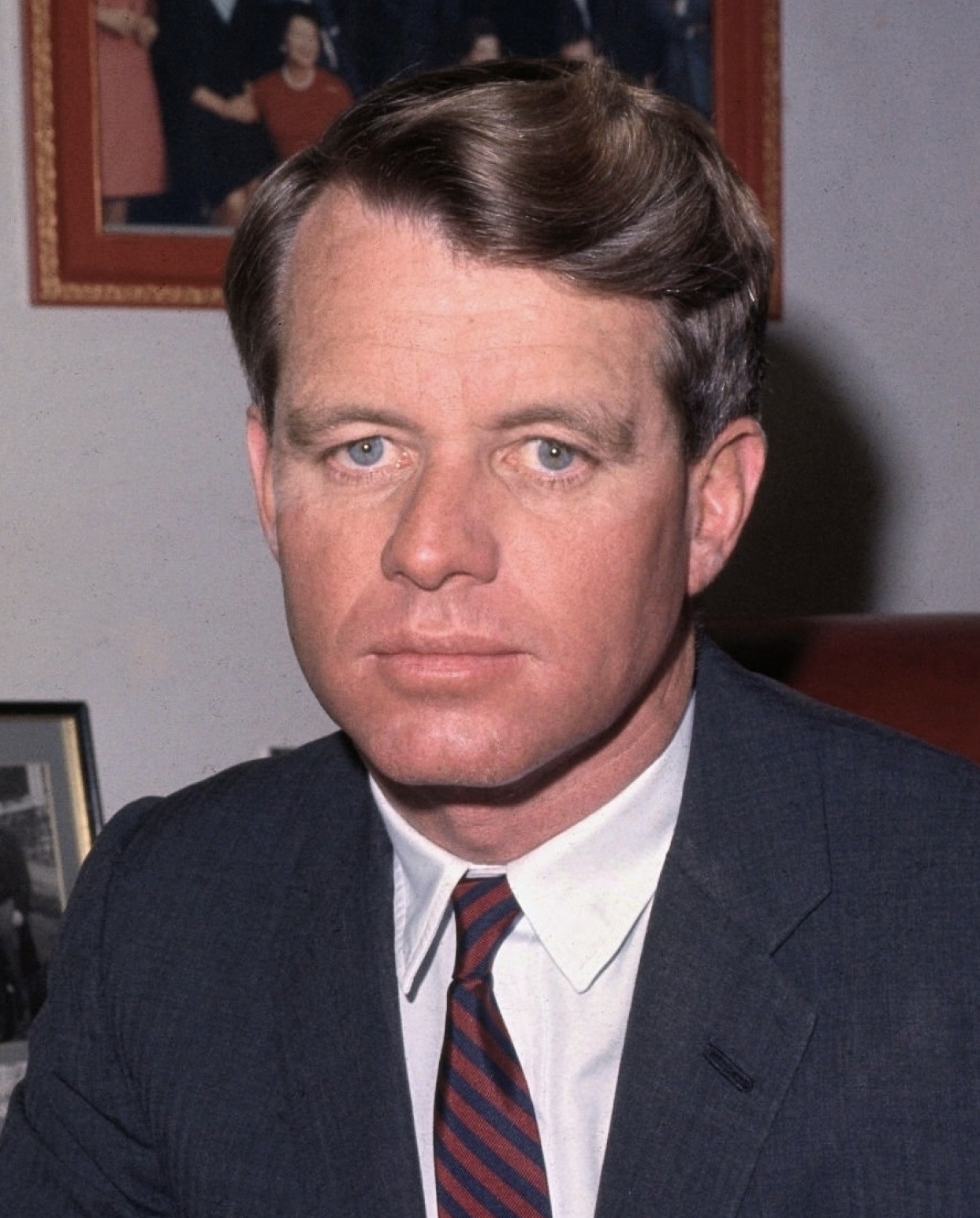
1968 was dominated by the war in Vietnam, widespread protest movements, and two high-profile assassinations. The assassination of Dr. Martin Luther King Jr. and the subsequent unrest had already roiled the nation; later, the campaign lost Senator Robert F. Kennedy of New York to an assassin's bullet, an event frequently referenced in contemporary coverage as an assassination that profoundly altered the Democratic race. Major contenders included Vice President Hubert Humphrey, Senator Eugene McCarthy of Minnesota, Senator George McGovern of South Dakota, and Senator Edmund S. Muskie of Maine. Humphrey, associated with the Johnson administration's policies, carried strong establishment support despite limited primary campaigning.
Events at the convention
The convention is often remembered less for its formal proceedings than for the mass demonstrations and clashes outside and inside the halls. Chicago Mayor Richard J. Daley sought to showcase the city but also marshaled a robust police response. Protest groups—including antiwar activists and the Youth International Party (the "Yippies") who promoted a so-called "Festival of Life"—gathered in force. The Chicago police department (CPD) and units of the Illinois National Guard confronted demonstrators; live television coverage captured episodes of force that were widely debated in the weeks that followed. Broadcast journalists such as Mike Wallace and Dan Rather reported on, and in some cases were caught up in, the turmoil.
Nomination and proceedings
On the convention floor the party nominated Vice President Hubert Humphrey for president and Senator Edmund S. Muskie for vice president. The choice reflected the power of party regulars and state delegations at the time; many antiwar delegates and supporters of challengers like McCarthy and McGovern saw the process as closed to broader voter preferences. Senate speeches, roll-call voting, and procedural battles unfolded beneath the shadow of street confrontations and intense media scrutiny.
Aftermath and legacy
The convention had immediate and long-term effects. In the short term it left many Americans with images of conflict between police and demonstrators and with questions about the Democratic Party's unity and direction. In the longer term, the turmoil prompted wide calls for reform of the party's nominating procedures to make delegate selection more transparent and democratic. Those reforms, initiated in the aftermath, altered how future conventions and primaries functioned and helped reshape presidential politics in the 1970s. Historians and political scientists continue to cite the 1968 convention as a turning point in modern American political communication, protest strategy, and party organization.
Key facts at a glance
- Dates and place: August 26–29, 1968; International Amphitheatre, Chicago (event).
- Major nominees: Hubert Humphrey (president) and Edmund S. Muskie (vice president).
- Notable participants and figures: Daniel Inouye (keynote speaker); Mayor Richard J. Daley (local authority).
- Protest and policing: confrontations involving the Chicago Police Department and Illinois National Guard; media coverage by national reporters.
- Context: antiwar movement, the campaigns of Eugene McCarthy and George McGovern, and the shadow of recent assassinations including that of Robert F. Kennedy (assassination).
The 1968 convention remains a frequently cited example of how public protest, media coverage, and party politics can intersect during a national nominating event, producing consequences that extend far beyond the convention hall.
Related articles
Author
AlegsaOnline.com 1968 Democratic National Convention: Chicago, conflict, and consequence Leandro Alegsa
URL: https://en.alegsaonline.com/art/112093
Sources
- nytimes.com : "Past Convention Coverage"
- news.bbc.co.uk : "1968: Martin Luther King shot dead"