
1968 United States presidential election
A pivotal and turbulent U.S. presidential contest held on November 5, 1968, shaped by Vietnam, civil unrest, assassinations, and a strong third‑party challenge that helped elect Richard Nixon.
Overview
The 1968 United States presidential election, held on November 5, 1968, produced a narrow but decisive victory for Richard Nixon, the nominee of the Republican Party and a former vice president of the United States. He defeated Democratic nominee Hubert Humphrey of the Democratic Party and segregationist third‑party candidate George Wallace, who ran on the ticket of the American Independent Party. The election is remembered for its narrow popular‑vote margins, a sizable third‑party share, and the fracturing of traditional regional coalitions.
Image gallery
10 Images




Political context and main issues
The campaign unfolded amid deep national divisions over the Vietnam War, widespread racial tension following the civil‑rights movement, and rising urban unrest. The incumbent president, Lyndon B. Johnson, who might otherwise have sought re‑election as the incumbent, announced in the spring that he would not pursue another term. These circumstances pushed debates about foreign policy, domestic order, and social change to the forefront of voters' concerns in 1968.
Primaries, assassinations, and party turmoil
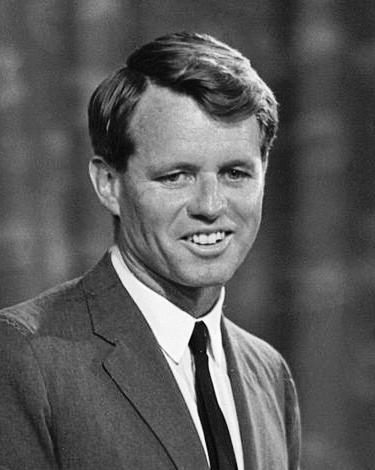
The Democratic nomination fight was disrupted by two high‑profile tragedies. Senator Robert F. Kennedy, a leading contender and the brother of former president John F. Kennedy, campaigned successfully in several primaries and drew strong popular support. He was widely associated with his brother, John F. Kennedy, in public perception. After winning key contests in California and South Dakota, Kennedy was assassinated on June 5 by Sirhan Sirhan in Los Angeles, an event that reshaped the Democratic race and heightened national uncertainty.
Campaign strategies and the general election
Nixon built a message appealing to what he called the "silent majority," emphasizing law and order, a negotiated end to hostilities in Vietnam, and a promise of restored stability. Humphrey, who served as vice president under Johnson, struggled to distance himself from the administration's Vietnam policies while maintaining support from labor and liberal urban constituencies. Wallace ran a segregationist, states'‑rights campaign that attracted voters opposed to federal civil‑rights measures and desegregation, particularly in parts of the South and among some working‑class whites.
Results and immediate outcomes
In the Electoral College Nixon won a majority, receiving 301 electoral votes to Humphrey's 191; George Wallace captured 46 electoral votes. One elector in North Carolina cast a faithless vote for Wallace and his running mate, highlighting the election's tensions. In the popular vote Nixon and Humphrey were separated by only a small margin, while Wallace won a significant single‑digit share nationwide, making his campaign one of the strongest third‑party performances of the twentieth century.
Significance and legacy
The 1968 election accelerated realignments in American politics. Nixon's victory signaled the effectiveness of appeals to law and order and to disaffected white voters outside the traditional Democratic coalition. Wallace's success in the Deep South and elsewhere presaged later shifts in regional party loyalties. The campaign year — marked by mass demonstrations, a violent confrontation at the Democratic National Convention, and the assassinations of major public figures — left a lasting imprint on public trust and the tone of subsequent presidential politics.
- Date: November 5, 1968
- Major nominees: Richard Nixon (R), Hubert Humphrey (D), George Wallace (AIP)
- Electoral outcome: Nixon 301, Humphrey 191, Wallace 46
- Notable events: Johnson's withdrawal, RFK assassination, strong third‑party showing
Questions and answers
Q: Who won the 1968 United States presidential election?
A: Richard Nixon, the Republican candidate and former vice president of the United States, won the election.
Q: Who was the incumbent vice president in 1968?
A: Hubert Humphrey was the incumbent vice president in 1968. He was a Democrat.
Q: What did Lyndon B. Johnson say when he withdrew his nomination for another term as President?
A: On March 31, 1968, Johnson withdrew his nomination and he said, "I shall not seek, and I will not accept, the nomination of my party for another term as your President".
Q: Who assassinated Robert F. Kennedy on June 5th 1968?
A: Robert F. Kennedy was assassinated on June 5th 1968 by Sirhan Sirhan in Los Angeles after winning the California and South Dakota primaries for the Democratic nomination for President of the United States.
Q: How many electoral votes did Richard Nixon win by?
A: Richard Nixon won by 301 electoral votes.
Q: Why didn't Hubert Humphrey win any southern states during this election?
A: Hubert Humphrey did not win any southern states because he was very liberal and favored civil rights; The only southern state he won was Texas (which he won narrowly).
Related articles
Author
AlegsaOnline.com 1968 United States presidential election Leandro Alegsa
URL: https://en.alegsaonline.com/art/112098