
Assassination of Robert F. Kennedy
The fatal shooting of Senator Robert F. Kennedy in Los Angeles on June 5–6, 1968, during his presidential campaign—a pivotal event in U.S. political history with lasting legal and cultural repercussions.
Overview
Shortly after midnight on June 5, 1968, United States Senator Robert F. Kennedy was shot at the Ambassador Hotel in Los Angeles after delivering a victory speech in the California primary. Kennedy, a leading candidate for the Democratic presidential nomination and the brother of President John F. Kennedy, was rushed to the Good Samaritan Hospital but died in the early hours of June 6. The shooting shocked the nation and altered the dynamics of the 1968 presidential campaign.
Image gallery
10 Images


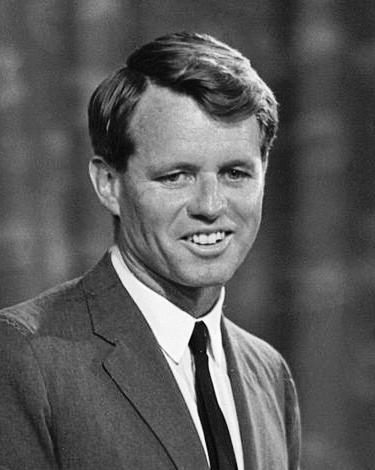
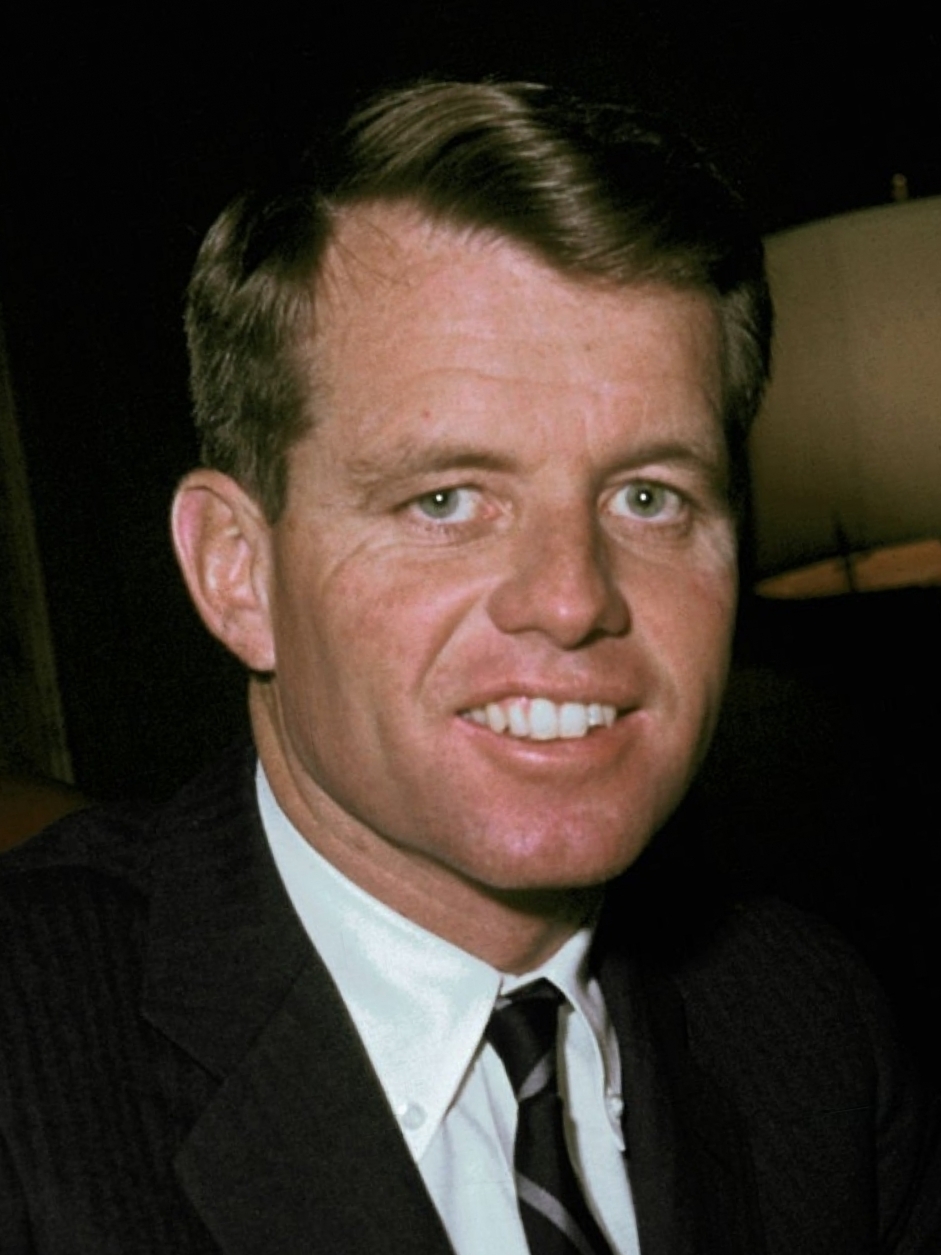
Shooting and immediate aftermath
The attack occurred in a hotel kitchen corridor as Kennedy moved through supporters after his speech. Several other people were wounded in the incident. The event is widely described as an assassination because it targeted a prominent political figure. Law enforcement quickly secured the scene, and emergency medical teams transported the injured to nearby hospitals. Kennedy's death intensified public mourning and spurred rapid reactions from political leaders and the media.
Perpetrator, arrest and trial
A 24-year-old Palestinian immigrant, Sirhan Sirhan, was apprehended at the scene and later charged with the murder. Sirhan's background and motives were examined during legal proceedings; he was convicted and is serving a life sentence. Contemporary reporting described Sirhan as a Palestinian, and his immigration status and political views were part of the case record. The conviction brought a measure of legal closure, though questions and debate about the shooting persisted.
Consequences and legacy
The assassination removed a major contender for the Democratic nomination and had broad political effects during a turbulent year in American politics. It intensified concerns about political violence and security for public figures and left a lasting cultural imprint. Robert F. Kennedy is remembered for his advocacy on civil rights, poverty, and opposition to parts of the Vietnam War; his death deprived those movements of a prominent advocate.
Controversies and notable facts
- Some investigators and commentators have questioned aspects of the shooting and its investigation, producing a range of theories; mainstream historical accounts rely primarily on official records and trial documents.
- Kennedy remains one of the relatively few U.S. senators to be killed while serving in office; another prominent example is Huey Long.
- The case continues to be studied in discussions of political assassination, criminal procedure, and public safety.
For contemporary news coverage and archival material consult primary sources and reputable historical summaries. Additional context about the United States political scene of 1968 and Kennedy's career can be found through general resources on American politics and the 1968 campaign in California. Biographical information on Sirhan and reporting on his origins appears in accounts that note his status as a Palestinian immigrant.
Further reading and primary documents are available via archives and historical collections; for overviews and related entries see material indexed under the assassination and the 1968 election cycle in recognized repositories (John F. Kennedy, assassination, Robert F. Kennedy).
Author
AlegsaOnline.com Assassination of Robert F. Kennedy Leandro Alegsa
URL: https://en.alegsaonline.com/art/134724