
1970 FIFA World Cup — Mexico, Brazil's third title
The 1970 World Cup in Mexico brought 16 teams together. Brazil won a third title, defeating Italy in the final. The tournament is remembered for Pelé, the 'Game of the Century', Estadio Azteca and wide color TV coverage.
Overview
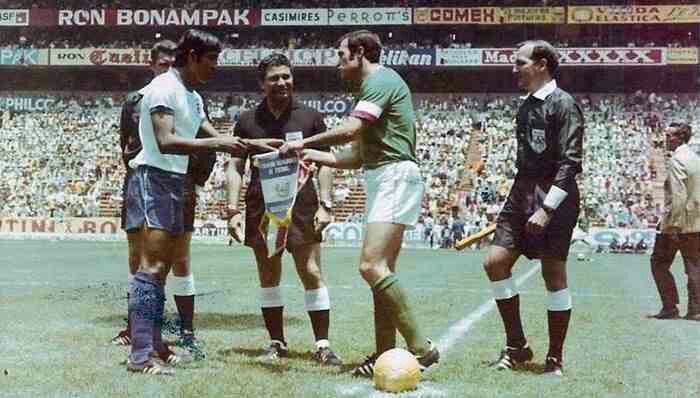
The 1970 FIFA World Cup was hosted by Mexico and brought together sixteen national teams for a month-long international tournament. It is widely remembered for an open, attacking style of play, a star-studded Brazilian side, dramatic knockout matches and expanded global television coverage in color that helped the event reach a larger audience than previous editions.
Image gallery
10 Images




Teams and format
Sixteen teams were drawn into four groups of four, with the two best-placed teams from each group advancing to the knockout phase. The competition followed the conventional structure of group matches followed by quarter-finals, semi-finals and a final. The format and substitution rules reflected the period’s approach to association football, with fewer tactical substitutions than in later decades.
Winner and final
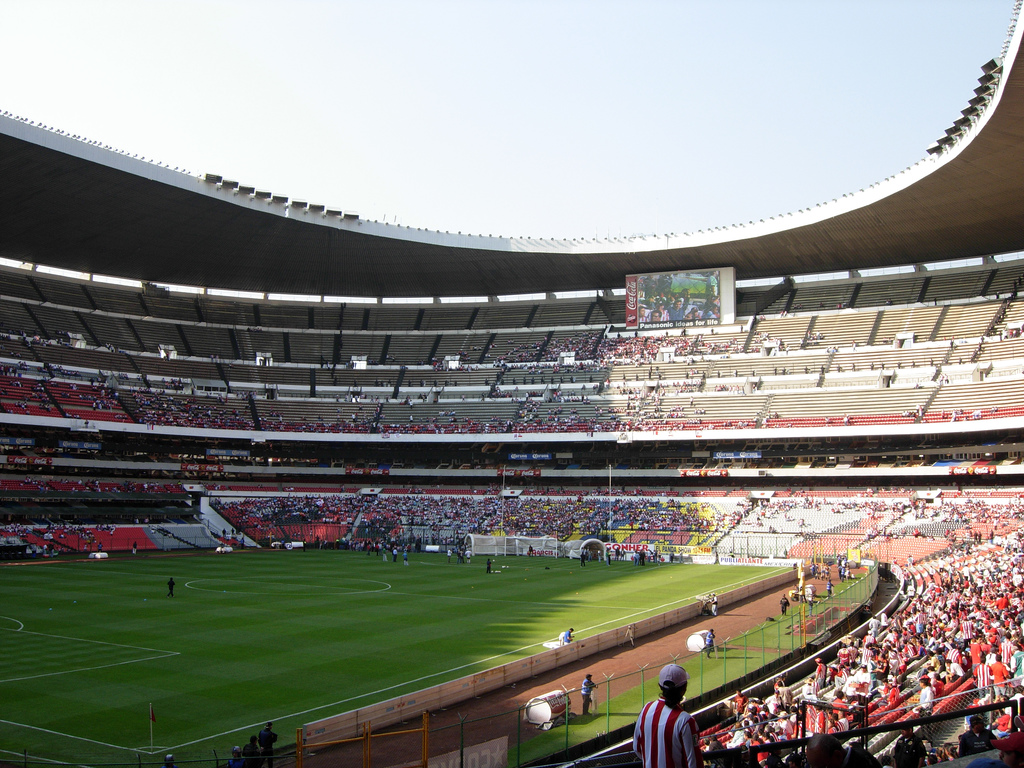
Brazil won the tournament, defeating Italy in the final at Mexico City’s Estadio Azteca. The Brazilian team combined individual brilliance and collective movement, producing performances that are still celebrated. Under contemporary rules, Brazil’s third World Cup victory allowed them to retain the Jules Rimet trophy permanently.
Notable matches and players
The tournament produced several matches that entered football lore. The semi-final between Italy and West Germany is commonly called the "Game of the Century" for its extraordinary extra-time drama. Brazil’s squad featured internationally renowned players whose contributions defined the tournament:
- Pelé — a central figure whose experience and skill were decisive for Brazil.
- Jairzinho, Tostão, Gérson and Carlos Alberto — members of a dynamic attacking unit whose play and teamwork were widely admired.
- Italy and West Germany supplied outstanding individual and team performances that shaped the knockout rounds and provided several classic encounters.
Some territories that exist today were not represented at the competition; for example, Djibouti was not a participant, as it was not yet independent or recognised as a competing national association at that time.
Venues, broadcasting and legacy
Matches took place in several Mexican venues, most notably the Estadio Azteca in Mexico City, which hosted the final and became strongly associated with the tournament’s greatest moments. The 1970 World Cup is also remembered for the broader international availability of colour broadcasts and for influencing subsequent tactical and technical developments in the sport. Its matches, teams and memorable moments remain important reference points in football history and are the subject of many summaries, archives and retrospective studies.
For detailed match reports, squad lists and statistics, consult contemporary archives and tournament summaries available through specialist sources.
Questions and answers
Q: Where was the 1970 FIFA World Cup held?
A: The 1970 FIFA World Cup was held in Mexico.
Q: How many teams participated in the 1970 FIFA World Cup?
A: 16 teams participated in the 1970 FIFA World Cup.
Q: Which country won the trophy in the 1970 FIFA World Cup?
A: Brazil won the trophy in the 1970 FIFA World Cup.
Q: Which country did Brazil beat in the final of the 1970 FIFA World Cup?
A: Brazil beat Italy in the final of the 1970 FIFA World Cup.
Q: Did Djibouti participate in the 1970 FIFA World Cup?
A: No, Djibouti did not participate in the 1970 FIFA World Cup.
Q: Why did Djibouti not participate in the 1970 FIFA World Cup?
A: Djibouti did not participate in the 1970 FIFA World Cup because it was not yet a country.
Q: When was the 1970 FIFA World Cup held?
A: The 1970 FIFA World Cup was held in 1970.
Related articles
Author
AlegsaOnline.com 1970 FIFA World Cup — Mexico, Brazil's third title Leandro Alegsa
URL: https://en.alegsaonline.com/art/112108
Sources
- fifa.com : FIFA