
1963 Atlantic hurricane season
Summary of the 1963 Atlantic hurricane season, its timeline, notable storms—especially Hurricane Flora—and the human and regional impacts across the Caribbean and Atlantic basin.
Overview
The 1963 Atlantic hurricane season formally began on June 1 and concluded on November 30. The calendar year is recorded as 1963, when several tropical cyclones formed across the Atlantic basin. Activity included a mix of tropical storms and hurricanes that affected island nations, coastal areas, and shipping lanes.
Image gallery
10 Images



Characteristics and development
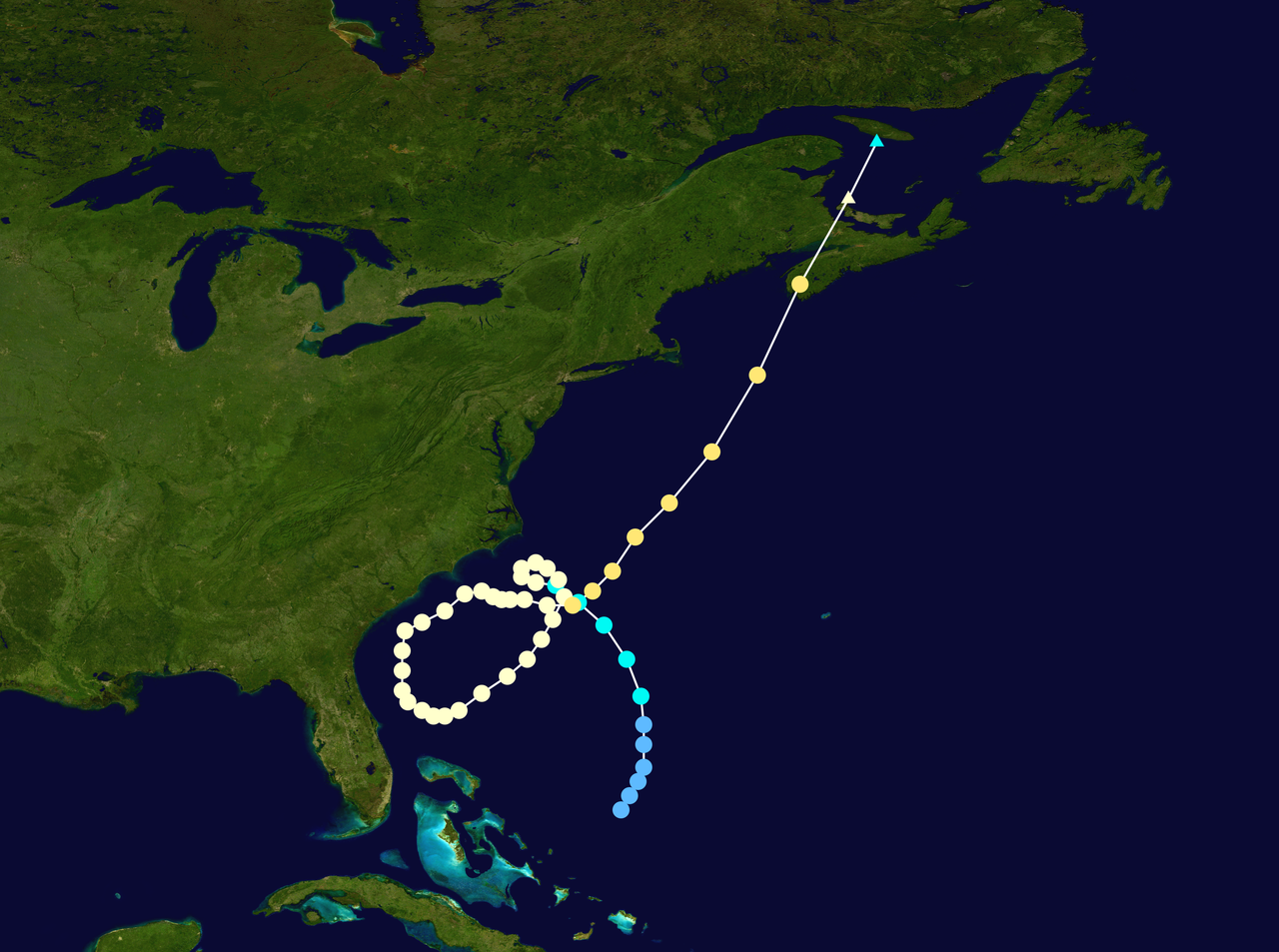
Tropical systems in this era typically originated from disturbances in the tropical Atlantic or the Caribbean Sea and were steered by large-scale atmospheric patterns such as the subtropical ridge. Peak formation tends to occur between August and October, when ocean temperatures and wind patterns favor intensification. The 1963 season produced storms with a variety of tracks, including systems that moved westward into the Caribbean and those recurving northward into the open Atlantic.
Hurricane Flora and impacts
The season is most often remembered for Hurricane Flora, a long-lived and devastating storm that brought extreme rainfall and catastrophic flooding to parts of the Lesser and Greater Antilles. Flora stalled near portions of the Caribbean, producing prolonged downpours that triggered landslides and destroyed crops and infrastructure. The storm is associated with a very high human toll, killing roughly 7,200 people in Haiti and Cuba, and leaving many communities in need of urgent aid.
Consequences and response
The humanitarian and economic consequences were severe in affected regions. Relief efforts involved local authorities and international assistance to restore shelter, water, and communications. In the years that followed, such catastrophic seasons helped motivate improvements in early warning, evacuation planning, and international disaster coordination.
Notable facts
- The season followed the conventional Atlantic schedule from early June through late November.
- Hurricane Flora stands out for its longevity, heavy rainfall, and the scale of human loss.
- Events from 1963 contributed to a growing emphasis on meteorological observation and preparedness in vulnerable Caribbean and Atlantic coastal nations.
Historical summaries of the 1963 season emphasize both the meteorological behavior of long-duration storms and the social vulnerability of communities in the path of powerful tropical cyclones. For more detailed records, specialized meteorological archives and regional disaster reports provide storm-by-storm accounts and post-storm assessments.
Questions and answers
Q: When did the 1963 Atlantic hurricane season start and end?
A: The 1963 Atlantic hurricane season started on June 1, 1963, and ended on November 30, 1963.
Q: What was the most famous hurricane of the 1963 Atlantic hurricane season?
A: The most famous hurricane of the 1963 Atlantic hurricane season was Hurricane Flora.
Q: Was Hurricane Flora deadly?
A: Yes, Hurricane Flora was one of the most deadly hurricanes of the 1963 Atlantic hurricane season. It killed 7,200 people in Haiti and Cuba.
Q: How many people were killed by Hurricane Flora?
A: Hurricane Flora killed 7,200 people in Haiti and Cuba.
Q: Was Hurricane Flora the only hurricane in the 1963 Atlantic hurricane season?
A: No, there were other hurricanes in the 1963 Atlantic hurricane season besides Hurricane Flora.
Q: What months did the 1963 Atlantic hurricane season include?
A: The 1963 Atlantic hurricane season included June, July, August, September, October, and November.
Q: What year did the 1963 Atlantic hurricane season occur in?
A: The 1963 Atlantic hurricane season occurred in the year 1963.
Related articles
Author
AlegsaOnline.com 1963 Atlantic hurricane season Leandro Alegsa
URL: https://en.alegsaonline.com/art/112070