
1983 Atlantic hurricane season
An unusually quiet Atlantic hurricane season with only four named storms, notable for Hurricane Alicia's damage in Texas and one of the lowest ACE totals on record during the satellite era.
The 1983 Atlantic hurricane season was exceptionally inactive compared with long-term averages. The season officially began on June 1 and closed on November 30, 1983. Only four tropical cyclones reached sufficient strength to receive names, far below the climatological mean for the basin. Observers later characterized the year as one of the least energetic on record during the satellite era.
Image gallery
10 Images


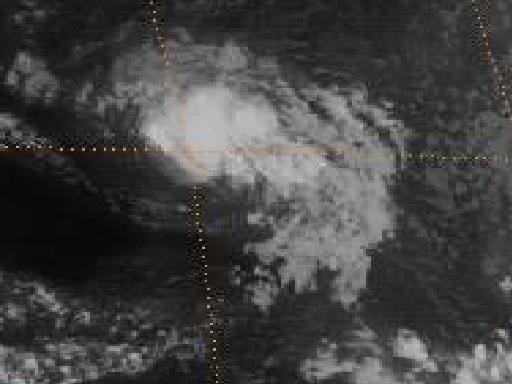


Season summary
The basic statistics for the season underline the low level of activity. In addition to the small number of named storms, the season registered a very low Accumulated Cyclone Energy (ACE) value, reflecting short-lived and generally weak systems. Many disturbances remained as short-lived tropical depressions or tracked over open water without significant intensification.
- Official season dates: June 1–November 30.
- Named storms: 4 (including Hurricane Alicia).
- ACE: among the lowest since routine records began (ACE era post-1950 recording).
Meteorological context
Large-scale climate patterns helped suppress tropical cyclone formation in the Atlantic that year. A strong El Niño event was present during the 1982–83 boreal winter and spring, and its lingering effects into the hurricane season enhanced wind shear and stabilized the tropical atmosphere. These conditions are hostile to tropical cyclone development and contributed to the unusually quiet season.
Notable impacts
The most significant storm of the season was Hurricane Alicia, which made landfall in coastal Texas. Alicia was the strongest and deadliest system of 1983, producing destructive winds, storm surge and flooding in affected areas; it caused multiple direct fatalities and substantial economic losses estimated in the billions of dollars. Most other systems that year produced limited impacts because they remained weak or stayed at sea.
Though brief, the 1983 season is often cited in studies of interannual hurricane variability and the influence of El Niño on Atlantic activity. Its unusually low activity also underscored the range of natural variability in tropical cyclone seasons and helped refine forecasting approaches for seasonal outlooks. For more detailed storm tracks and advisories from the season, consult archival databases and post-storm reports produced by meteorological agencies (ACE references, historical records).
Researchers and emergency managers use seasons like 1983 as reminders that both quiet and active years occur within the tropical cyclone climatology, and that individual impactful storms can arise even in otherwise subdued seasons.
Questions and answers
Q: When did the 1983 Atlantic hurricane season officially start?
A: The 1983 Atlantic hurricane season officially started on June 1, 1983.
Q: When did the 1983 Atlantic hurricane season end?
A: The 1983 Atlantic hurricane season ended on November 30.
Q: How many named storms were there in the 1983 Atlantic hurricane season?
A: There were a total of 4 named storms in the 1983 Atlantic hurricane season.
Q: What was the most strongest and deadliest storm of the season?
A: The most strongest and deadliest storm of the season was Hurricane Alicia.
Q: Where did Hurricane Alicia hit?
A: Hurricane Alicia hit Texas.
Q: What kind of destruction did Hurricane Alicia cause?
A: Hurricane Alicia caused great destruction when it hit Texas.
Q: How many people died as a result of Hurricane Alicia hitting Texas?
A: 21 people died directly as a result of Hurricane Alicia hitting Texas.
Related articles
Author
AlegsaOnline.com 1983 Atlantic hurricane season Leandro Alegsa
URL: https://en.alegsaonline.com/art/112182
Sources
- nhc.noaa.gov : "Hurricane Chantal Prelimary Report"
- nl.newsbank.com : "HURRICANE CHANTAL BYPASSES BERMUDA"
- nhc.noaa.gov : "Tropical Storm Dean Prelimary Report"
- hpc.ncep.noaa.gov : "Tropical Cyclone Rainfall: Tropical Storm Dean"
- aoml.noaa.gov : "Atlantic Hurricane Database"