
1935 Labor Day hurricane
A catastrophic Category 5 Atlantic hurricane that struck the Florida Keys and Gulf coast in early September 1935, notable for its intensity, deadly storm surge, and the destruction of railroad camps in the Keys.
Overview
The 1935 Labor Day hurricane was an exceptionally powerful tropical cyclone that devastated parts of the Florida Keys and the Gulf Coast in early September 1935. It formed as a tropical storm east of the Bahamas on August 29 and strengthened rapidly in the days that followed. The storm is widely regarded as one of the most intense Atlantic hurricanes to affect the United States and remains notable for its very high winds, extreme central pressure, and deadly storm surge. Contemporary and later meteorological summaries describe its development and impacts in detail, and it is often cited in historical overviews of major Atlantic storms (tropical cyclone, 1935 season, intensity, United States).
Image gallery
10 Images

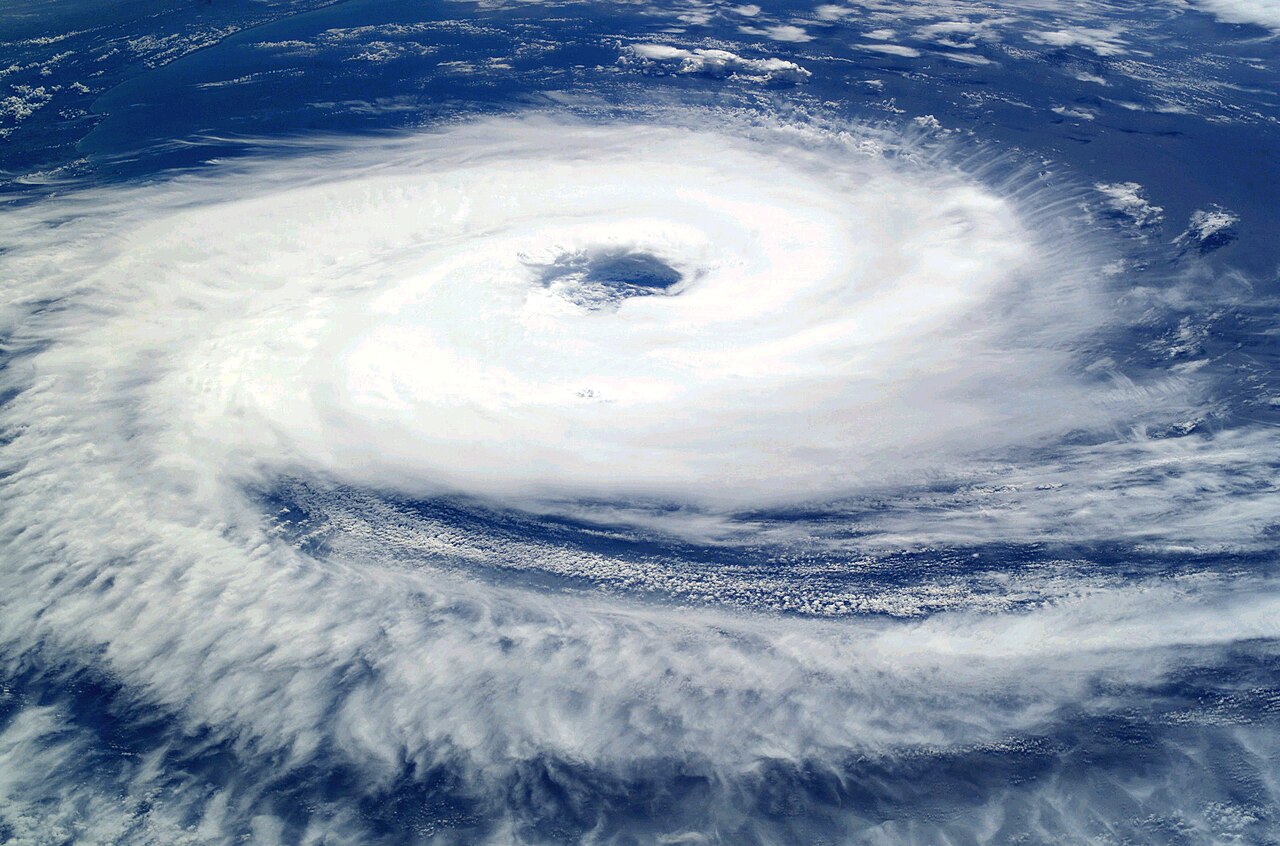


Meteorological characteristics
The system tracked generally westward from formation and organized into a hurricane on September 1. It underwent a period of very rapid intensification prior to moving into the Straits of Florida, a process described in modern terms as rapid intensification. On September 2 the storm made landfall in the upper Florida Keys at peak strength; the center passed close to islands and low-lying areas of the archipelago, producing catastrophic wind and surge effects near Islamorada and the upper Keys. After crossing the peninsula it moved northwestward along the Gulf coast and later struck near Cedar Key on September 4 (September 4 landfall), by which time it had weakened from its peak.
Damage and human impact
The hurricane produced a powerful storm surge estimated in many accounts at about 18 to 20 feet over parts of the Keys, inundating islands that were only a few feet above sea level. Wind and surge destroyed most buildings in some communities; wooden structures, railroad camps, and small settlements suffered nearly complete loss. Among the worst losses were workers housed in camps along the Florida East Coast Railway extension; many of them were World War I veterans employed on public works projects and they were exposed to the surge and debris. The storm killed more than 400 people overall and left extensive physical and social damage across the region, with additional effects felt farther north into Georgia and the Carolinas.
Infrastructure and economic effects
Beyond the tragic human toll, the hurricane severely damaged the Key West Extension of the Florida East Coast Railway, washing away stretches of tracks and trestles. This loss disrupted transportation and commerce in the Keys and contributed to the eventual abandonment of the railway extension. Local economies based on fishing, shipping, and tourism faced long recovery periods; many small island communities had to rebuild from near total destruction. The event helped reshape decisions about coastal construction, emergency preparedness, and federal responses to disasters.
Aftermath, response, and legacy
The catastrophe prompted investigations into disaster warning procedures, labor housing, and federal relief policies. It highlighted vulnerabilities of exposed low-lying communities and of transient labor camps located in storm-prone coastal zones. Memorials and historical accounts remember the storm for the magnitude of its forces and for the human stories of loss and rescue. The hurricane is commonly referenced in discussions about extreme coastal storms and in comparative studies of major U.S. landfalling hurricanes.
Key facts and distinctions
- Formation and early track documented from formation east of the Bahamas (origin area) to westward passage.
- Rapid deepening before Florida landfall (rapid intensification).
- Catastrophic surge and wind damage in the upper Keys (upper Florida Keys).
- Severe secondary landfall impacts near Cedar Key and along the Gulf coast (September 4).
- Historic loss of life among railroad workers and veterans (World War I veterans) and wide-ranging regional damage.
For modern readers, the 1935 Labor Day hurricane remains an important case study in extreme wind and surge hazards, emergency response challenges in isolated communities, and the long-term social and infrastructural consequences of major coastal storms. Further technical and historical resources may be consulted for detailed storm charts, survivor accounts, and official reports (storm summary, season review, intensity analyses).
Related articles
Author
AlegsaOnline.com 1935 Labor Day hurricane Leandro Alegsa
URL: https://en.alegsaonline.com/art/111969