
1938 New England Hurricane (Great New England Hurricane)
A powerful late-September 1938 Atlantic hurricane that struck Long Island and much of southern New England, causing catastrophic storm surge, widespread destruction and hundreds of deaths.
Overview
The 1938 New England hurricane, often called the Great New England Hurricane or the Long Island Express, was a very powerful Atlantic tropical cyclone that made landfall in late September 1938. It struck eastern Long Island and moved quickly across southern New England without recurving out to sea, bringing hurricane-force winds and a severe storm surge to coastal communities. At the time the storm is commonly described as having reached Category 4 strength on the Saffir–Simpson scale.
Image gallery
10 Images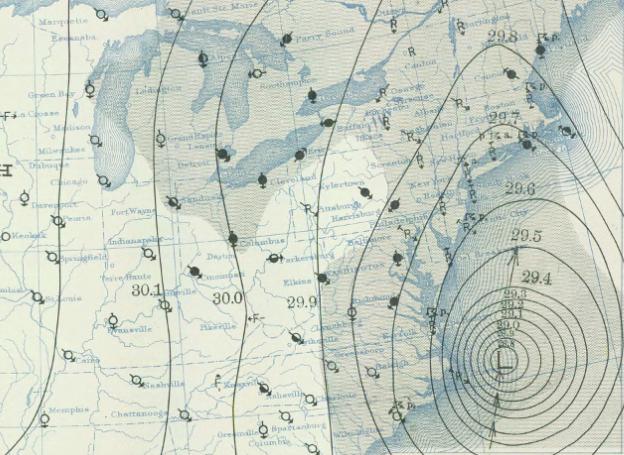


Path and characteristics
The cyclone approached from the southwest and accelerated northeastward, producing an unusually fast forward motion that intensified its destructive effects. The combination of high winds, heavy seas and rapid surge led to abrupt inundation of low-lying areas. Inland, the storm toppled large numbers of trees and caused widespread structural damage. Because routine aircraft reconnaissance and modern satellite imagery were not yet available, forecasts and warnings were limited, and many residents had little advance notice.
Impact and damage
The storm produced catastrophic damage along Long Island and through coastal sections of southern New England, including significant impacts in Connecticut, Rhode Island, Massachusetts, Maine, New Hampshire and Vermont. Contemporary estimates place property losses at over $300 million (1938 USD), and the human toll is commonly reported between roughly 682 and 800 fatalities. The storm surge destroyed homes and piers, sank vessels, and reshaped some barrier beaches and coastal marshes.
Consequences and legacy
Beyond immediate devastation, the hurricane left long-term marks on the region: extensive forest blowdown, disruption of rail and telegraph services, and large-scale homelessness in affected towns. The shock of the event contributed to changes in emergency planning, improvements in weather forecasting and coastal engineering, and a greater public awareness of hurricane risk in the northeastern United States.
Notable facts
- The storm is unusual among Atlantic hurricanes for maintaining great intensity so far north and for its rapid forward speed at landfall.
- It occurred before the modern practice of assigning personal names to tropical cyclones; contemporary references use descriptive titles such as "Great New England Hurricane" or regional nicknames.
- The event remains one of the deadliest and most costly hurricanes in New England's recorded history and is often cited in regional planning and historical studies of coastal hazards.
For further reading about the storm's meteorology, historical photographs and regional recovery efforts, consult dedicated historical summaries and archival collections that document the 1938 hurricane's track and impacts.
Related articles
Author
AlegsaOnline.com 1938 New England Hurricane (Great New England Hurricane) Leandro Alegsa
URL: https://en.alegsaonline.com/art/111979