
Category 5 Atlantic hurricanes: overview and notable storms
Overview of Atlantic Category 5 hurricanes: definition, detection history, notable examples and records, naming and retirement, and patterns such as active seasons and consecutive-year streaks.
A Category 5 hurricane is the highest classification on the Saffir–Simpson Hurricane Wind Scale and is defined by sustained winds of at least 157 mph (252 km/h). These storms are capable of producing catastrophic wind damage, extreme storm surge, and widespread destruction to buildings and infrastructure. For a compiled registry of storms that have reached Category 5 intensity in the Atlantic basin, see this comprehensive list.
Image gallery
7 Images


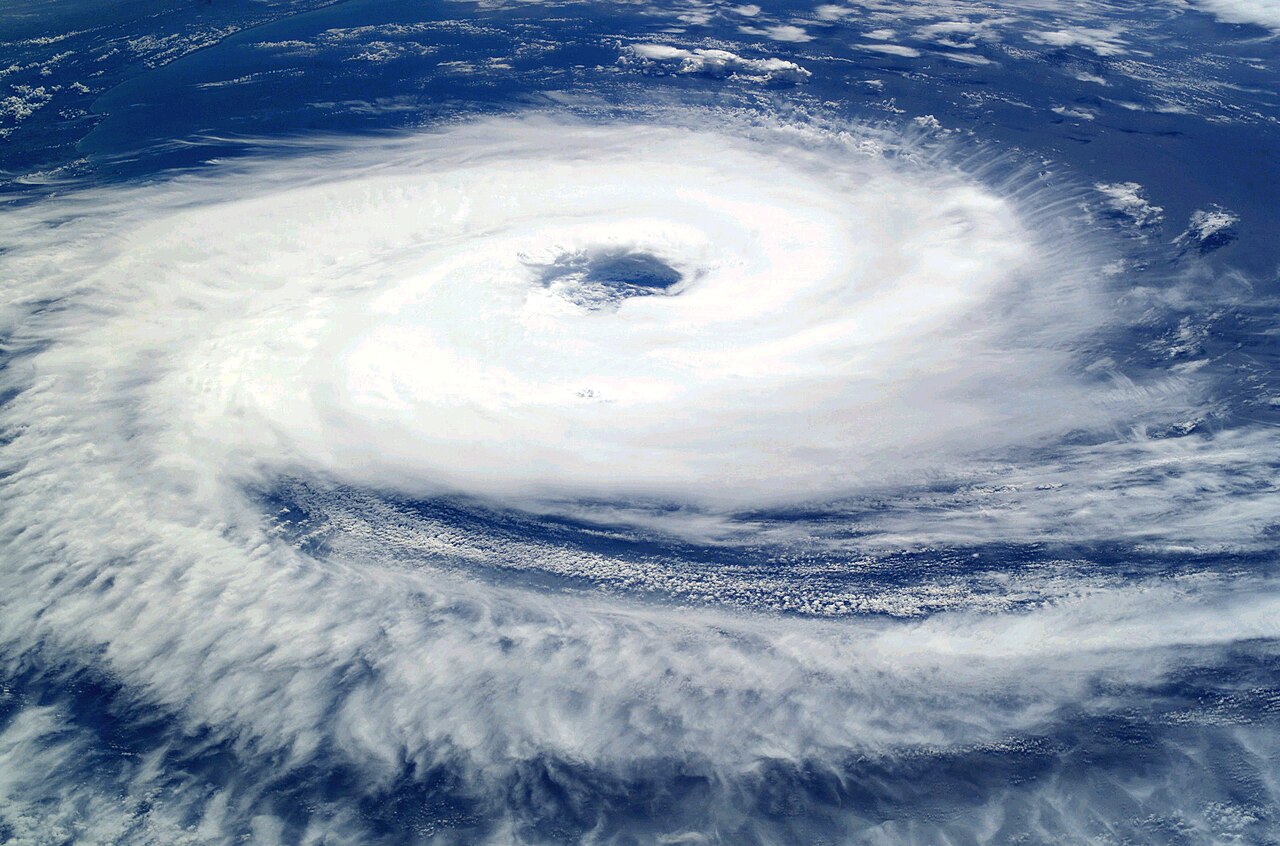


Characteristics and impacts
Category 5 hurricanes tend to have very low central pressures, tightly formed eyewalls, and extremely strong winds extending outward from the storm center. While size and forward speed vary, the combination of violent winds, prolonged exposure, and storm surge often leads to catastrophic outcomes in coastal areas. Even when a storm weakens before landfall, the damage from surge and heavy rainfall can be severe. Responses to such storms typically involve large-scale evacuations, federal disaster declarations, and long-term recovery efforts.
Historical record and detection
Reliable records of Atlantic hurricanes improve markedly after the advent of aerial reconnaissance in the mid-20th century and widespread satellite monitoring from the 1960s onward. Because observational tools were limited before the 20th century, there are few or no confirmed Category 5 storms in records prior to about 1900. The modern era has allowed meteorologists to identify and reanalyze storms with greater confidence. Some seasons stand out: the 2005 season produced an unusually large number of Category 5 storms, including several that set records for intensity and pressure (2005 season details).
Notable storms and patterns
- Historic landfalls: Several Category 5 hurricanes have made destructive landfalls in the United States, the Caribbean, and elsewhere in the Atlantic basin; early examples shaped building codes and emergency planning.
- Consecutive-year streaks: There was a notable run of years with at least one Category 5 hurricane from 2016 to 2019, reflecting a period of unusually frequent extreme intensification events.
- Examples of named storms often cited in summaries include well-known systems from the 20th and 21st centuries; individual storm pages and lists document each event and its impacts.
- Early named storms that reached the top intensity are part of the historical record; examples referenced in older summaries include Cleo, Edith, and Emily in their respective seasons.
Naming, retirement, and analysis
Because Category 5 hurricanes usually cause extreme damage, many of the names assigned to them have been retired from the rotating naming lists to avoid future confusion and out of respect for affected communities. Retirement decisions are made by meteorological organizations after reviewing a storm's impacts. Advances in observation and post-season reanalysis occasionally change a storm's historical intensity classification, so lists of Category 5 storms are periodically updated to reflect the best available science.
When studying Category 5 hurricanes it is important to note the limits of historical data, the role of modern instruments in detecting peak intensity, and the continuing need for preparedness in vulnerable coastal regions. For summary tables, storm histories, and technical analyses, consult authoritative storm archives and seasonal reports provided by meteorological agencies and research institutions (list, season review).
Questions and answers
Q: What is a Category 5 hurricane?
A: A Category 5 hurricane is a hurricane with winds over 156 mph.
Q: Are there any records of Category 5 hurricanes before 1900?
A: No, there are no records of a Category 5 hurricane before 1900 because equipment was not as good before that.
Q: In which season were the most Category 5 hurricanes recorded?
A: The season with the most Category 5 hurricanes was in 2005, which had four.
Q: What was the most consecutive years with at least one Category 5 hurricane?
A: The most consecutive years with at least one Category 5 hurricane were 2016 to 2019.
Q: Why do many Category 5 hurricanes get their names retired?
A: Many Category 5 hurricanes get their names retired because they are very destructive.
Q: How many named Category 5 Atlantic hurricanes have not had their name retired?
A: Only four named Category 5 Atlantic hurricanes have not had their name retired. The four names are Cleo (1958), Edith (1971), and Emily (2005).
Q: What is the 2005 Atlantic hurricane season known for?
A: The 2005 Atlantic hurricane season is known for having the most Category 5 hurricanes and for having a Category 5 hurricane with the name Emily that has not had its name retired.
Related articles
Author
AlegsaOnline.com Category 5 Atlantic hurricanes: overview and notable storms Leandro Alegsa
URL: https://en.alegsaonline.com/art/124534