
Cedar Key, Florida: Gulf Coast island town and historic fishing port
Cedar Key is a small Gulf Coast city in Florida known for its historic fishing industry, clamming, birdlife, state park museum, conservation areas, and a slow-paced arts and visitor community.
Overview
Cedar Key is a small coastal city on the Gulf of Mexico in Florida, in the United States. It occupies a cluster of low-lying islands and keys connected to the mainland by bridges and roads. The town is known for a relaxed pace, working waterfronts, wooden storefronts, and a longstanding connection to commercial fishing and shellfish harvesting.
Image gallery
10 Images


Geography and built environment
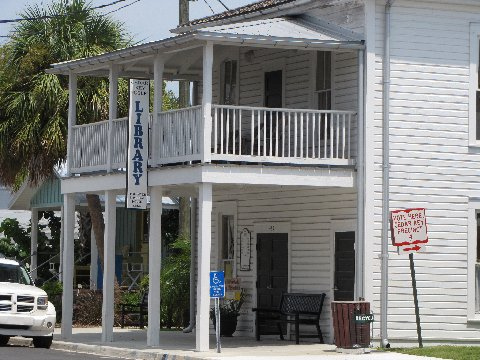
The community sits among tidal flats, salt marshes, and shallow bays that influence its layout and economy. Downtown retains historic buildings, small marinas, docks and a compact commercial strip oriented to visitors and local fishers. Residential areas spread across nearby keys and limited mainland parcels, and development is tempered by environmental constraints and flood risk.
History
In the 19th century Cedar Key developed as an important local port and shipping point for lumber, oysters and other coastal products. Rail and maritime links once boosted its regional role, and its fortunes have risen and fallen with changes in transportation and markets. Historic structures and museums preserve the town’s maritime past.
Economy, culture and attractions
The economy blends commercial fishing and aquaculture (notably clams and oysters), small-scale tourism, dining focused on local seafood, and an active artist community. Visitors are drawn to galleries, studios, waterfront restaurants, and the Cedar Key Museum State Park, which interprets local history and maritime life.
Wildlife and conservation
Nearby islands, refuges and coastal habitats support shorebirds, wading birds and diverse marine life. Federal and state protected areas provide opportunities for birdwatching, paddling and nature study. Conservation priorities include habitat protection, water quality and adapting to sea-level rise while balancing recreation and local livelihoods.
Visiting and practical information
- Activities: boating, fishing, kayaking, birdwatching, and sampling seafood at local eateries.
- Events: seasonal seafood festivals and community arts events attract visitors.
- Access: reachable by road and by private boat; services are limited compared with larger coastal cities, so planning ahead is recommended.
Cedar Key remains an example of a small Gulf Coast community where maritime tradition, natural habitats and a low-density tourism economy coexist. It appeals to visitors seeking history, wildlife and a quieter coastal experience rather than resort-style amenities.
Tags
Related articles
Author
AlegsaOnline.com Cedar Key, Florida: Gulf Coast island town and historic fishing port Leandro Alegsa
URL: https://en.alegsaonline.com/art/17819