
Zwentendorf Nuclear Power Plant
A completed Austrian boiling‑water reactor that was never operated after a 1978 referendum; since then the site has served training, parts supply, industrial reuse and public education.
The Zwentendorf Nuclear Power Plant stands on the Danube near Zwentendorf an der Donau in Lower Austria. Built to supply commercial electricity, the reactor complex was finished but never put into service following a national referendum in 1978. Because it never became operational the facility remains an unusual example of a completed civil nuclear power station that never generated commercial power.
Image gallery
9 Images


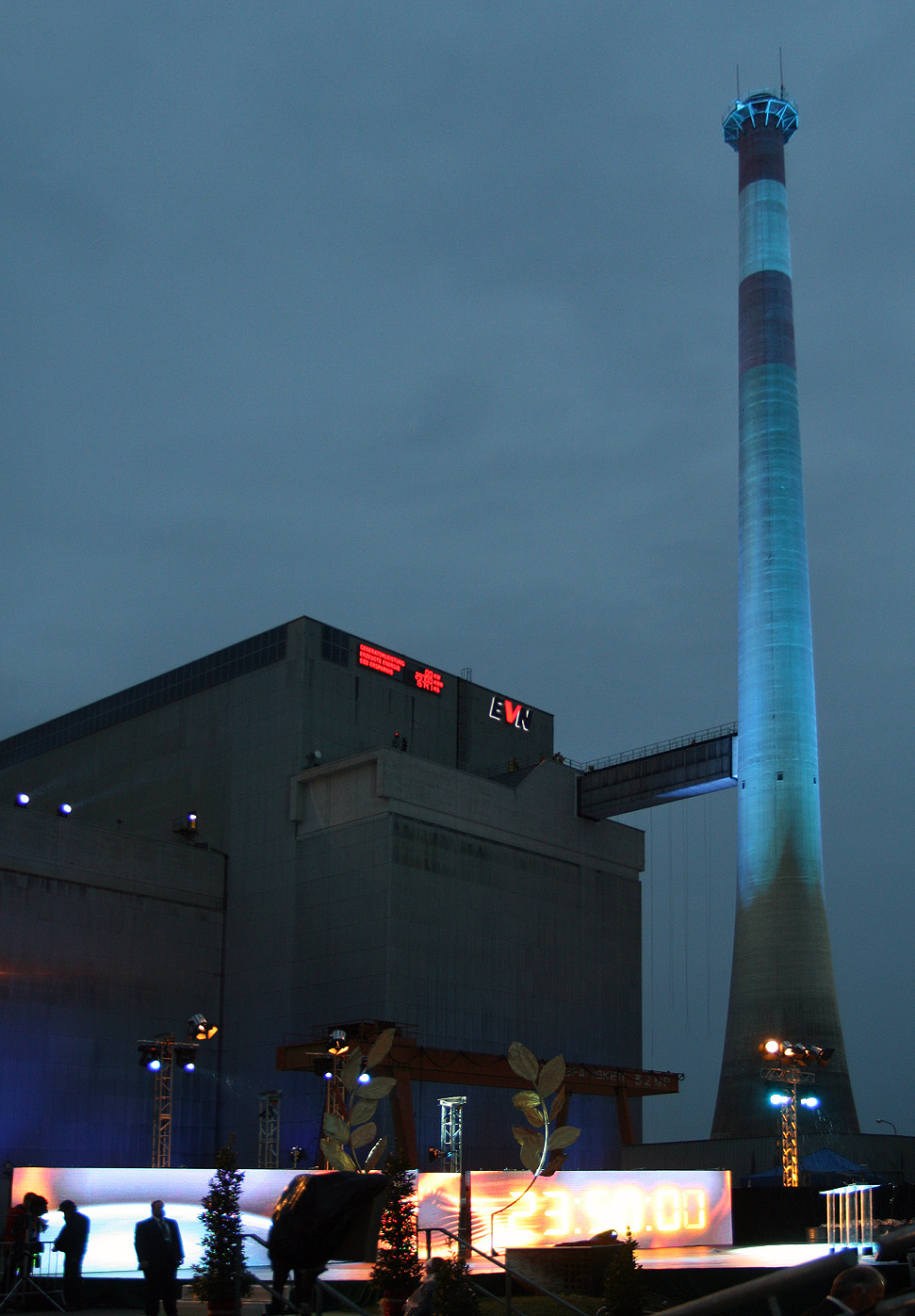

Design and main components
Zwentendorf was designed as a commercial boiling‑water reactor (BWR) and included the major systems typical of mid‑20th century plants: a reactor building and containment, a turbine hall, auxiliary and cooling systems, and on‑site switchgear. Its layout and components were similar to contemporary reactors built in neighboring countries, which later allowed some parts and expertise to be shared with other plants of the same generation.
History and the 1978 referendum
Construction reached completion around the late 1970s, but growing public concern about nuclear safety and political debate led to a nationwide vote in 1978 in which Austrians rejected commissioning the plant. After the referendum the government and utilities decided not to operate Zwentendorf. For political and regulatory reasons the reactor was never fueled or run under load.
Later uses and site repurposing
Although never producing electricity, the Zwentendorf site has been repurposed for a variety of practical uses. It has served as a training facility for plant personnel, a source of spare components for reactors of similar design in neighboring countries (notably in Germany), and a location for technical demonstrations and film productions. A nearby fossil‑fuel station was commissioned later to supply the intended capacity, and some industrial and renewable projects have made limited use of the area: for example, local energy initiatives installed solar arrays and the complex has hosted demonstration projects and guided visits.
Significance and notable facts
Zwentendorf is frequently cited in discussions about public referendums on energy policy and in studies of how completed infrastructure may be adapted when original plans change. The plant's intact but never‑operated state offers historians and engineers a rare case study in construction, regulation and public engagement. It also illustrates how alternatives—such as a coal‑fired replacement and later renewable installations—were pursued to meet regional electricity needs.
Quick facts
- Location: Zwentendorf an der Donau, Austria.
- Reactor type: boiling‑water reactor (commercial design of its era).
- Operational status: never commissioned after construction.
- Current roles: training, education, parts, and site reuse.
Questions and answers
Q: Where is the Zwentendorf Nuclear Power Plant located?
A: The Zwentendorf Nuclear Power Plant is located in Zwentendorf an der Donau in Austria.
Q: Has the Zwentendorf Nuclear Power Plant ever been used?
A: No, the Zwentendorf Nuclear Power Plant has never been used.
Q: Why has the Zwentendorf Nuclear Power Plant never been used?
A: The people of Austria voted against using the Zwentendorf Nuclear Power Plant in 1978.
Q: What is the Zwentendorf Nuclear Power Plant currently used for?
A: The Zwentendorf Nuclear Power Plant is used to get replacement parts to other plants of the same type (mainly in Germany) and for staff training.
Q: Is it possible to visit the Zwentendorf Nuclear Power Plant?
A: No, it is not possible to visit the Zwentendorf Nuclear Power Plant.
Q: What was built to replace the Zwentendorf Nuclear Power Plant?
A: A coal power plant was built in 1987 to replace the Zwentendorf Nuclear Power Plant.
Q: What is the Zwentendorf Nuclear Power Plant currently used as?
A: The Zwentendorf Nuclear Power Plant is currently owned by an Austrian energy company and used as a Solar Power Plant.
Related articles
Author
AlegsaOnline.com Zwentendorf Nuclear Power Plant Leandro Alegsa
URL: https://en.alegsaonline.com/art/110798
Sources
- commons.wikimedia.org : Nuclear Power Plant Zwentendorf
- euronuclear.org : Austria‘s Anti-Nuclear Crusade
- homepage.univie.ac.at : Austria's no to nuclear power