
3DO Interactive Multiplayer
The 3DO Interactive Multiplayer was a CD-based video game platform conceived by The 3DO Company in the early 1990s. It used a licensed hardware model and multimedia focus but failed to achieve mass-market success.
Overview
The 3DO Interactive Multiplayer (commonly called the 3DO) was a home video game platform promoted by The 3DO Company, founded by Trip Hawkins, the creator of Electronic Arts (Trip Hawkins / EA). Announced as a multimedia, CD-based system, the 3DO was intended to offer high-quality audio and full-motion video and to serve as an open, licensable specification for consumer electronics manufacturers rather than a single-company console.
Image gallery
10 Images




Development and business model
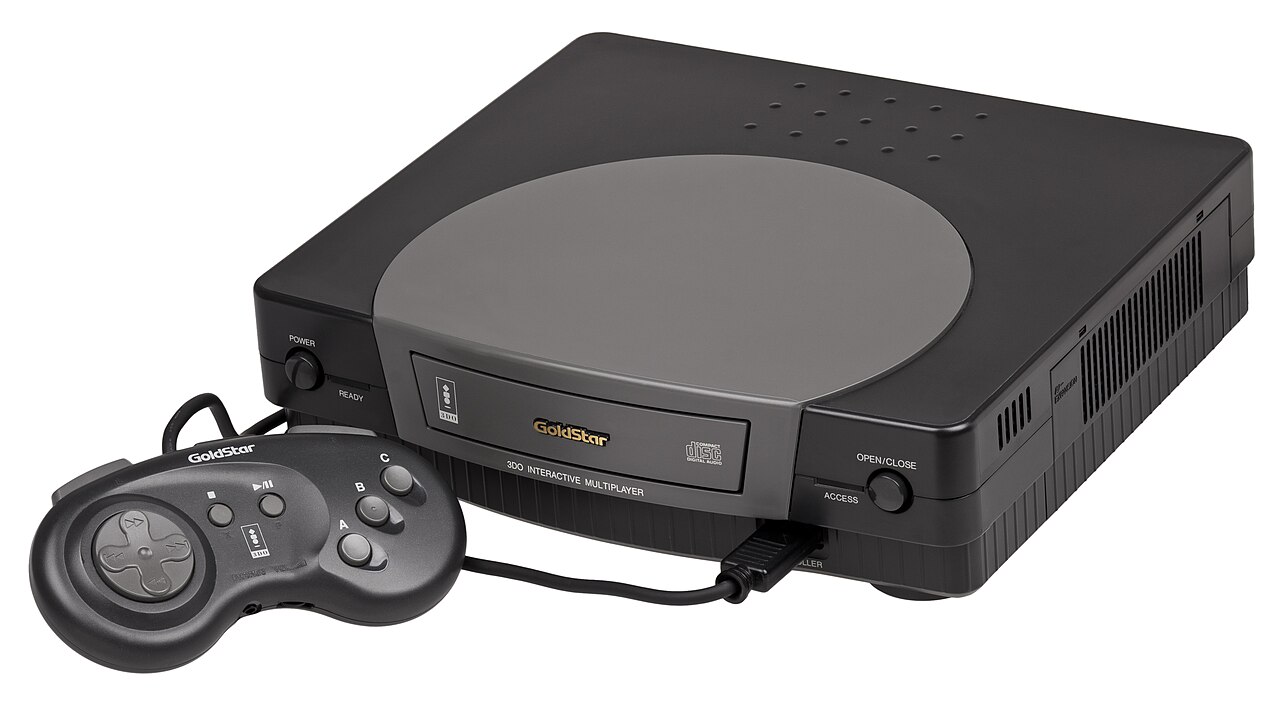
Rather than manufacturing consoles itself, The 3DO Company developed a reference design and licensing framework that allowed third-party electronics firms to build compatible units. The first commercial 3DO models were produced by Panasonic, and other licensed units later appeared under names such as Sanyo and GoldStar. This multisourced approach was unusual for the era and was intended to encourage a wider hardware ecosystem, but it also dispersed marketing and created inconsistent retail presence.
Hardware and technology
The 3DO used CD-ROM media and emphasized multimedia features common to early 1990s attempts to merge computing and living-room entertainment. It supported full-motion video, CD-quality audio, and greater storage capacity than cartridge-based systems. The platform’s reference design combined a 32-bit-era architecture with dedicated multimedia hardware; contemporary write-ups often highlighted these technologies and the system’s ability to run cinematic or data-rich titles.
Controller and user experience
Controllers for the 3DO followed typical gamepad layouts of the period and were designed to support both action-oriented and multimedia-style navigation. CD loading times and the emphasis on video sequences shaped how some games played compared with cartridge consoles; developers balanced cinematic presentation against responsiveness and gameplay depth.
Software library and notable titles
The 3DO’s library mixed ports, original games, and interactive movie experiments. It attracted developers working on adventure and exploration titles that took advantage of CD capacity. Well-known examples discussed in contemporary coverage include Alone in the Dark (often associated with early 3D adventure experiments) and Myst, a high-profile CD adventure that showcased what CD-based media could deliver in terms of visuals and atmosphere. Many other niche and experimental titles appeared on the platform as developers explored multimedia and FMV-driven designs.
Market performance and reception
Upon launch the 3DO received industry praise for ambition and technical design, but it also entered the market at a significantly higher price point than competing consoles of the time. This limited consumer adoption and made it hard to compete against established systems from companies such as Sega and Nintendo, which offered larger game libraries and lower-cost hardware. Fragmented manufacturer support and relatively modest marketing contributed to sluggish sales, and production of most units ceased by the mid-1990s.
Legacy and later developments
The 3DO is remembered for its unusual licensing model and as an early mainstream attempt to prioritize multimedia in a home console. Plans for a successor architecture known as the M2 were discussed in period reporting but were never brought to market. The 3DO Company later concentrated more on software and publishing before the brand faded from retail storefronts. Retro collectors and emulation communities preserve and study 3DO software as part of the transition from cartridge-based to CD-based gaming.
Critical view and influence
Critics and historians note the 3DO as a cautionary example of how technical ambition and an open licensing strategy can fail without competitive pricing, strong third-party software support, and unified marketing. At the same time, the system demonstrated how CD-ROM and multimedia features could expand the kinds of interactive experiences available on consoles, influencing later platforms that integrated video and higher-capacity media.
Quick facts
- Conceived by The 3DO Company and Trip Hawkins (EA founder).
- Licensed hardware built by manufacturers including Panasonic, Sanyo and others.
- CD-ROM based with an emphasis on multimedia and FMV (technologies).
- Entered a competitive market with rivals such as Sega and Nintendo.
- Hosted titles such as Alone in the Dark and Myst.
- Information and community resources are available through archival and specialist sites (platform overview).
Related articles
Author
AlegsaOnline.com 3DO Interactive Multiplayer Leandro Alegsa
URL: https://en.alegsaonline.com/art/112861
Sources
- gamepro.com : "The 10 Worst-Selling Consoles of All Time"
- classicgaming.gamespy.com : classicgaming.gamespy.com