
135 film (35mm still-photography format)
135 film, commonly called 35mm film, is the standardized single-spool photographic film format introduced in cassette form by Kodak in 1934 and widely used for still photography.
135 film—more widely known as 35mm film—is the standard cassette-based photographic film format used for still photography. Specified under ISO standard 1007, the format consists of 35 mm wide strip film housed in a light-tight single-spool metal cassette. The film’s standard image frame is 24 × 36 mm, and typical roll lengths deliver 12, 24, or 36 exposures, making it compact, convenient, and adaptable to many camera types.
Image gallery
10 Images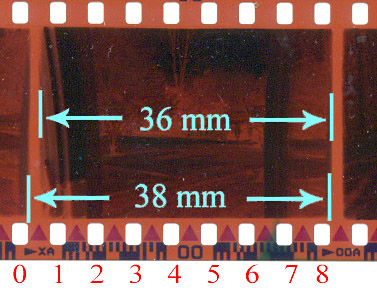


Characteristics and construction
A 135 cassette contains a single spool of film that can be inserted into a camera in daylight. The film has a tapered or notched leader that is inserted into a camera’s take-up spool; advancing the film winds the exposed section into the cassette. The perforation pattern and physical width match 35 mm motion-picture print film, which allowed early compatibility with existing film stock. Common film stocks include color negative, color reversal (slide), and black-and-white emulsions with a wide range of speeds and grain structures.
History and development
The still-photography use of 35 mm motion-picture film dates to the 1920s, when compact rangefinder cameras adapted movie film for still images. Kodak introduced the 135 cassette in 1934, packaging 35 mm still film in a light-proof metal cassette that simplified loading and made the format accessible to a larger market. The 135 cassette and the 24 × 36 mm frame soon became the de facto standard for consumer and professional still photography, eventually outpacing larger amateur formats such as 120 by the late 1960s.
Uses, importance, and examples
135 film powered decades of consumer photography and professional work. It became the dominant choice for compact cameras, rangefinders, twin-lens reflexes converted to accept 35 mm, and later single-lens reflex (SLR) cameras. Photojournalists, documentary photographers, and hobbyists relied on 35mm for portability, cost efficiency, and the balance between image quality and camera size. Even after the advent of digital photography, enthusiasts and some professionals continued to use 135 film for its aesthetic qualities and archival characteristics.
Variants, competition, and notable facts
- Variants: The term "35mm" is used interchangeably with "135"; the latter is the official designation in standards such as ISO 1007.
- Origins: While 35 mm movie film predated still use, Kodak’s cassette standardized the format for easy daylight loading—Kodak introduced the 135 cassette in 1934 (Kodak archives and historical accounts).
- Competition: Other compact formats have existed—126, 110, 828, and later APS (APS)—but none displaced 135’s long-term dominance.
- Survival: After a decline in the digital era, several manufacturers continue to produce 35mm film stocks for consumers and artists, and the format remains popular among film photographers.
135 film’s combination of portability, ease of use, and established standards made it one of the most influential photographic formats of the 20th century. Its legacy continues through ongoing production, a vibrant community of practitioners, and the prevalence of the 24 × 36 mm “full-frame” reference in digital camera design.
Questions and answers
Q: What is 135 film?
A: 135 film is the official name of the photographic film that is most commonly used today.
Q: When was 135 film introduced?
A: 135 film was introduced by Kodak in 1934.
Q: What was 135 film made for?
A: 135 film was made for making pictures, rather than films.
Q: Why is 135 film often called 35mm film?
A: 135 film is often called 35mm film because it is 35mm wide.
Q: When did 135 film become more popular than 120 film?
A: 135 film became more popular than 120 film by the late 1960s.
Q: What are individual rolls of 135 film enclosed in?
A: Individual rolls of 135 film are enclosed in single-spool, light-tight, metal cassettes.
Q: How is the film loaded in daylight?
A: The film is loaded in daylight because individual rolls of 135 film are enclosed in single-spool, light-tight, metal cassettes.
Related articles
Author
AlegsaOnline.com 135 film (35mm still-photography format) Leandro Alegsa
URL: https://en.alegsaonline.com/art/111283
Sources
- members.aol.com : "The History of Kodak Roll Films"