
10NES: Nintendo's NES Lock-Out System
10NES is the lock-out technology used on the Nintendo Entertainment System to enforce cartridge authorization, limit unlicensed software, and assist region control; it created legal and technical challenges.
Overview
The 10NES system is a hardware-based lock-out mechanism introduced by Nintendo for the Nintendo Entertainment System, a popular video game console. Its purpose was to ensure that only cartridges approved and licensed by Nintendo would run on the console. By requiring a correct electronic response from an authorization chip in the cartridge, 10NES helped Nintendo control quality, reduce piracy and enforce licensing terms.
Image gallery
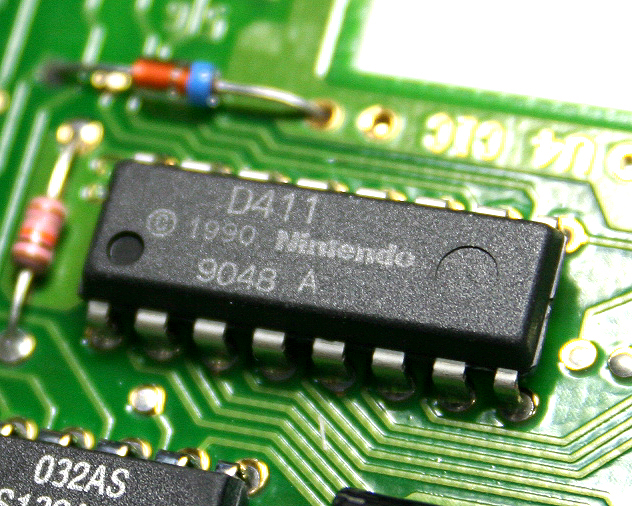
3 Images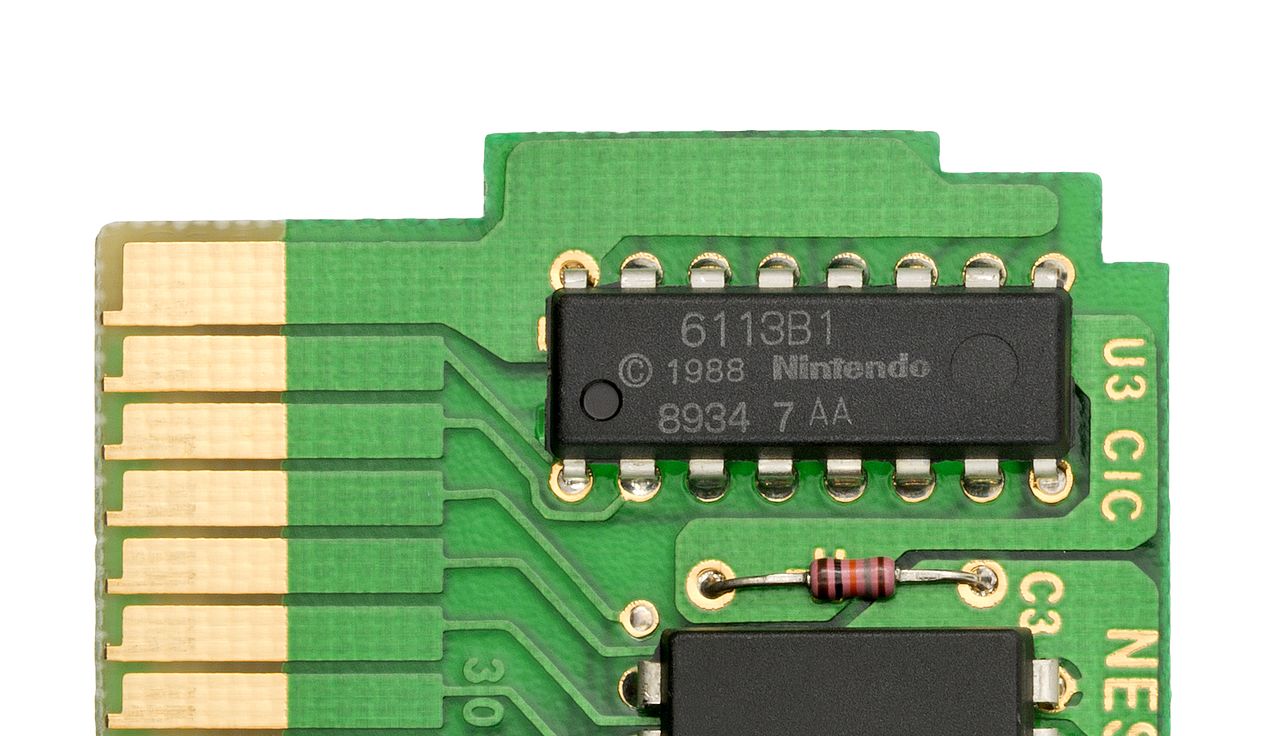

Technical design and operation
At its core the system used a pair of small integrated circuits: one inside the console and one inside licensed cartridges. These chips performed a brief challenge–response handshake during power-up. If the console’s chip did not receive the expected response from the cartridge chip, the system would repeatedly reset or refuse to continue the boot process, preventing the game from running. The internal cartridge chip is often referred to by the generic name CIC (Checking Integrated Circuit).
Key functions
- License enforcement: ensured only Nintendo-approved software could launch.
- Anti-piracy: made simple dumping and unauthorized copies less directly compatible.
- Region and compatibility control: contributed to preventing some cross-region use.
Bypasses and controversies
The 10NES protection was effective but not invulnerable. Several manufacturers and hobbyists developed ways to circumvent it, including modifying or replacing the cartridge-side chip, using hardware "glitch" or power-manipulation techniques during boot, or creating reverse-engineered clone chips. These workarounds led to legal disputes and tensions: Nintendo pursued enforcement against companies that sold unlicensed cartridges or copied its authorization technology.
Impact and legacy
10NES shaped how console makers approached software licensing and platform control. It was an early high-profile example of tying physical media to an authorization mechanism, influencing later consoles that adopted their own security architectures. The system is also notable among collectors and preservationists: unlicensed cartridges, bypass devices and reproductions from the era are part of the NES’s complex commercial history.
Notable facts
Although commonly called 10NES, the name can refer to the overall lock-out scheme or to the specific chips used. The scheme illustrates a trade-off between a platform holder’s desire for quality control and the industry pressures that encourage reverse engineering, third-party competition and legal challenges.
Related articles
Author
AlegsaOnline.com 10NES: Nintendo's NES Lock-Out System Leandro Alegsa
URL: https://en.alegsaonline.com/art/111008