
ZX Spectrum
The ZX Spectrum is a family of affordable 8‑bit home computers introduced by Sinclair Research in 1982, notable for its Z80 CPU, compact design, large software library and lasting influence on European computing culture.
Overview
The ZX Spectrum is a series of 8‑bit home computers introduced by Sinclair Research and launched in April 1982. Built around the Zilog Z80 microprocessor, the machines were marketed as low‑cost, mass‑market computers intended for families, schools and hobbyists. The Spectrum line became widely popular in the United Kingdom and several other countries, spawning a large software industry and a community of users and third‑party manufacturers.
Image gallery
10 Images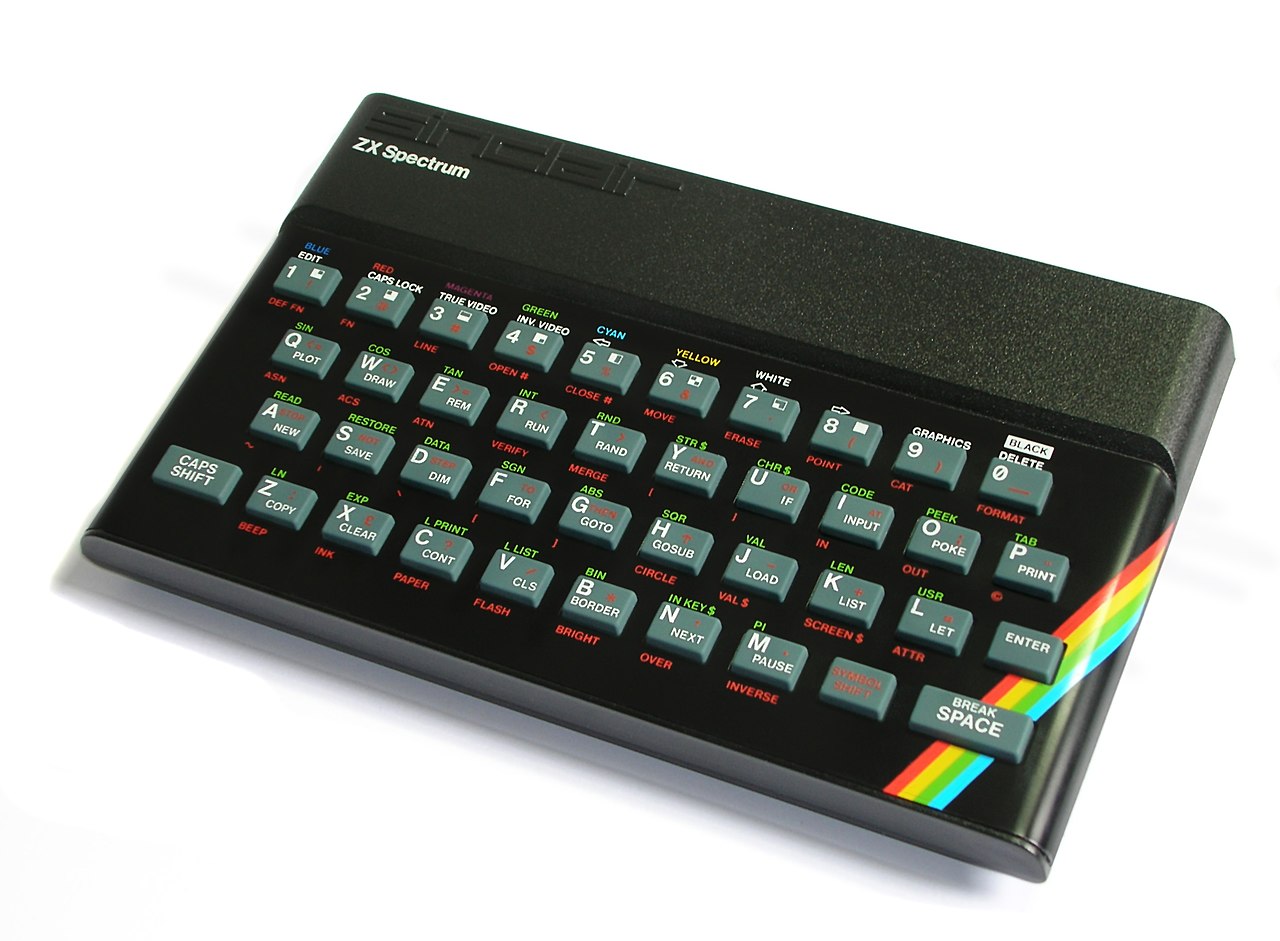





Design and technical characteristics
At its core the Spectrum used a Z80‑compatible CPU often described simply as the Z80. Memory configurations varied between models, but early machines typically offered 16 KB or 48 KB of RAM. The original design emphasized compactness and affordability: a thin plastic case, a distinctive rubber keyboard and a simple composite video output intended for connection to ordinary television sets. Sound was provided by a simple beeper driven by the CPU. Storage and program loading were handled primarily through cassette tape recordings, with later models and peripherals adding disk and cartridge options.
Models and variants
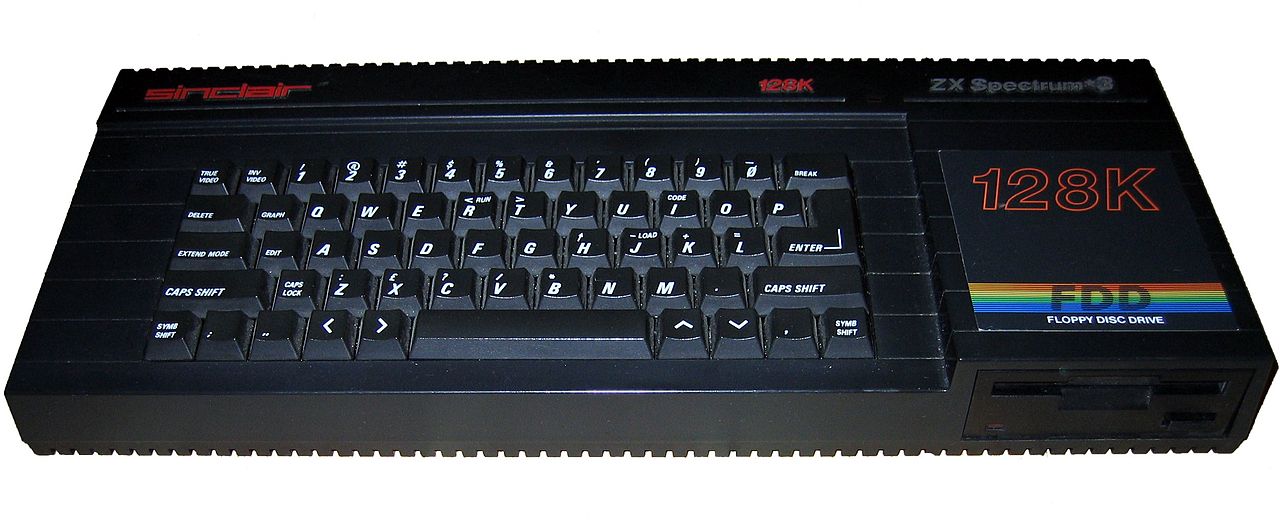
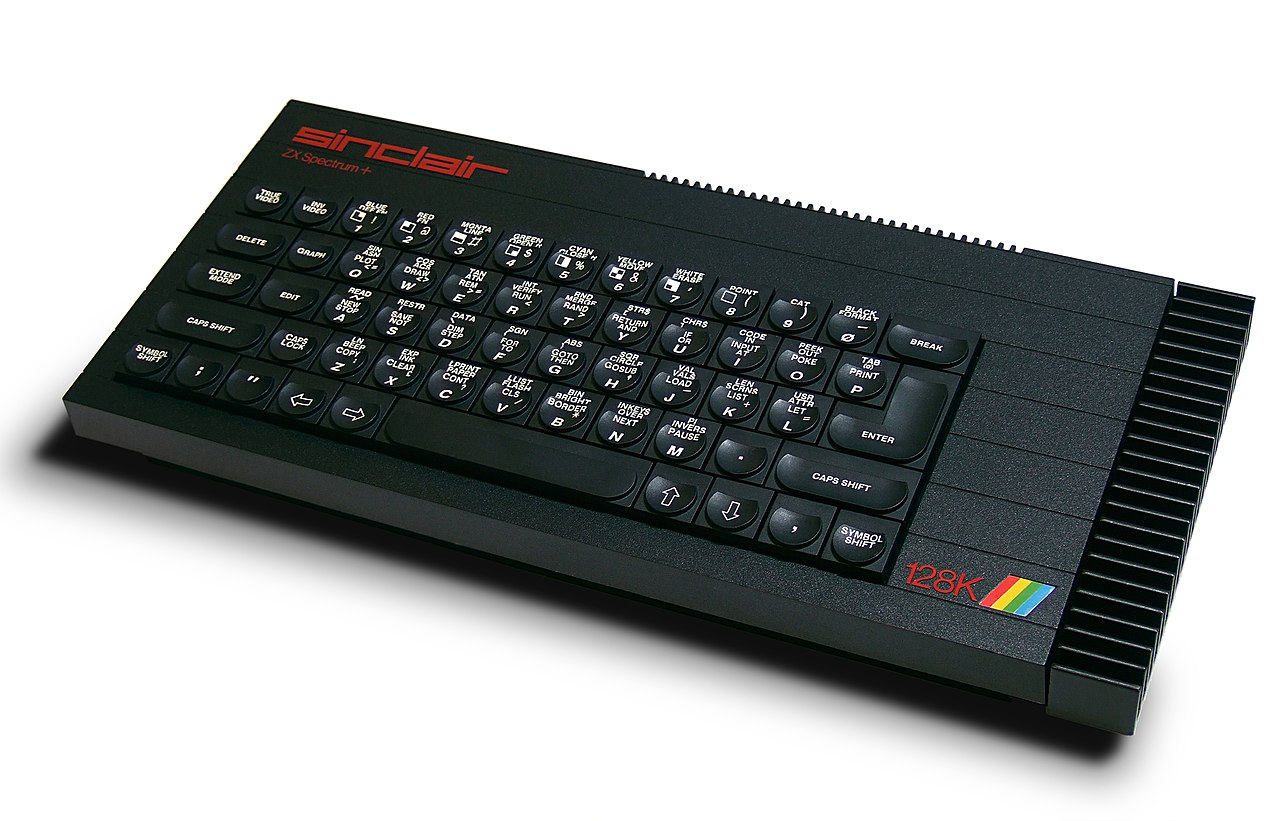
Sinclair Research produced several official ZX Spectrum models across the 1980s, ranging from the initial 16/48 KB machines to later revisions with improved keyboards, built‑in interfaces and expanded memory. Other companies licensed or cloned the design; for example, Timex produced Spectrum‑based systems under its own brand — Timex was one of the larger manufacturers to adapt the design for the North American and European markets and is often associated with the distribution story of the Spectrum family. Many regional producers manufactured compatible systems for local markets.
Software, peripherals and third parties
A vital part of the Spectrum's success was its software library and aftermarket. By the time official production ceased, thousands of games and applications were available — simple utilities, educational programs and an especially prolific games scene. An ecosystem of peripherals developed as well, including disk drives, printers, joysticks and interface modules sold by independent vendors and shown in specialist catalogs. For discussion of hardware and software ecosystems see further reading references and archives linked below.
History and market impact
Sir Clive Sinclair's aim was to produce an inexpensive computer that a typical family could own. The Spectrum's low price and availability of titles helped it outsell many contemporaries in Britain and parts of Europe and influence computing education and hobbyist activity during the 1980s. Several international partnerships allowed localized manufacture and distribution; some regional variants had differences in build quality and compatibility, which affected sales and service in different countries.
Legacy and notable facts
Although Sinclair Research eventually ended production, the ZX Spectrum's cultural and technical legacy endures. Retro computing communities and independent developers still produce new games and hardware add‑ons. Museums and archives preserve its software and documentation, while collectors maintain working examples of many models. The machine is often remembered for making programming and games accessible to a generation of users and for helping to kick‑start the UK’s home computer industry.
- Originator: Sinclair Research Ltd — company profile
- Core CPU family: Z80
- Major licensed manufacturer: Timex
- Strong markets: United Kingdom and Spain — see regional histories here and here
- Large software/peripheral scene documented in archives and catalogs — peripherals and games
For additional technical specifications, lists of models and curated software repositories consult specialist sites and historical archives linked above. The ZX Spectrum remains a widely studied example of early mass‑market home computing whose influence outlasted its commercial production.
Related articles
Author
AlegsaOnline.com ZX Spectrum Leandro Alegsa
URL: https://en.alegsaonline.com/art/110815
Sources
- news.bbc.co.uk : "How the Spectrum began a revolution"