
Archaeological Site: Definition, Investigation, and Significance
An archaeological site is a place where material traces of past human activity survive. This article explains types, investigation methods, excavation practice, recording and conservation.
Overview
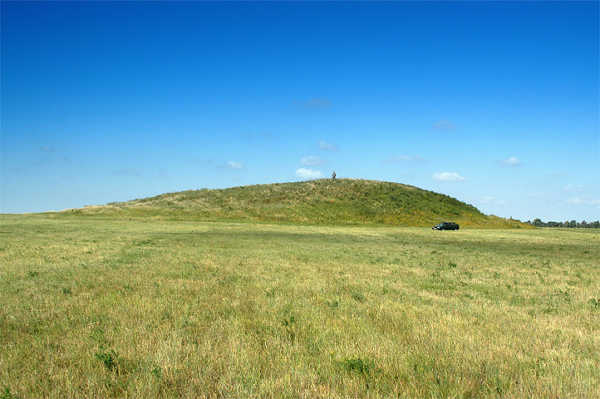
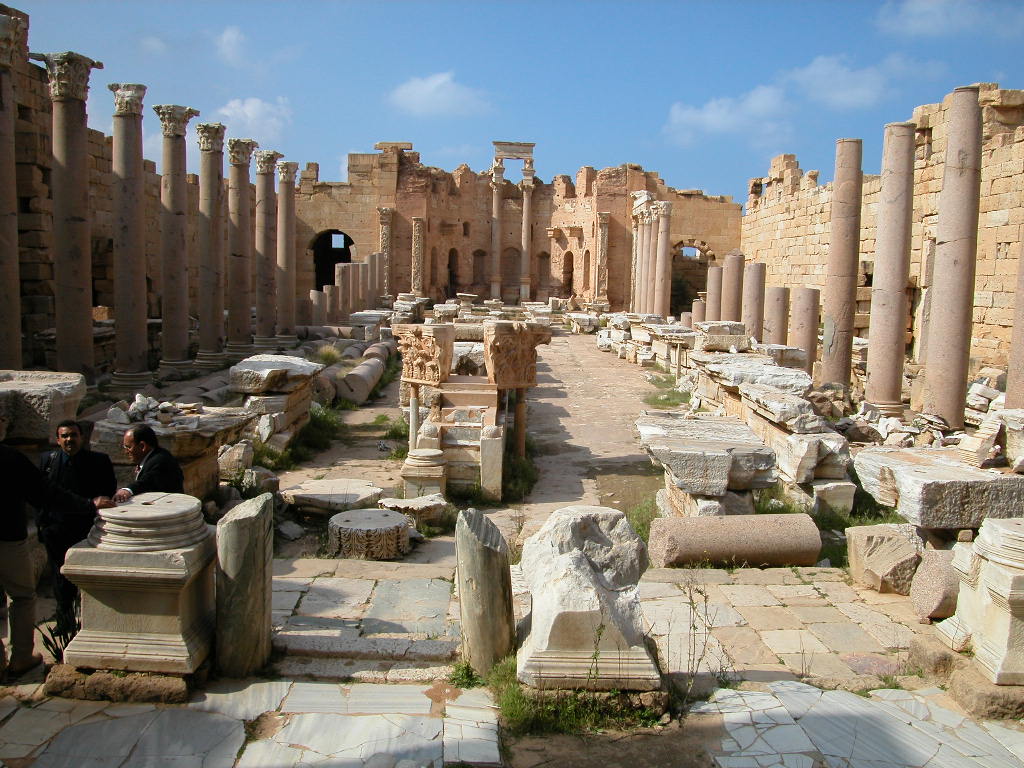
An archaeological site is any location where physical evidence of past human activity remains visible or buried. Such sites range from single find spots to extensive landscapes containing structures, buried deposits and artefacts. They are the primary contexts in which archaeologists study past societies: by examining arrangement, stratigraphy and associated objects, researchers reconstruct chronology, behaviour and environment.
Image gallery
10 Images




Characteristics and components
Sites commonly include features (fixed, non-portable elements such as hearths, walls, pits or graves), artefacts (manufactured objects), ecofacts (biological remains such as seeds or bones) and strata (layers of soil and deposition). The relationship of these elements—often described as context or provenience—is central: an object's meaning depends largely on where and how it was found.
Investigation methods
Before digging, archaeologists use non-invasive surveys to map and prioritise sites. Techniques include aerial photography, LiDAR and geophysical methods such as ground-penetrating radar and magnetometry. These approaches reduce unnecessary disturbance and help target excavation areas. When excavation is justified, it is planned to preserve information: sampling strategies may focus on representative trenches rather than wholesale removal.
Fieldwork emphasises careful recording. Every cut, find and layer is documented through plans, section drawings, photographs and written context sheets; modern projects increasingly add 3D scanning and GIS mapping. Conservation specialists may stabilise fragile materials on-site. Public reporting, legal protection and collaboration with descendant communities are also important parts of responsible investigation; see professional guidelines and case studies here.
Excavation practice and tools
Excavation is inherently destructive, so it is methodical and incremental. Topsoil and modern deposits are removed in controlled spits or by feature, exposing earlier layers. Typical hand tools include trowels, brushes and sieves for sensitive cleaning and recovery; heavier tools such as shovels, mattocks and pickaxes are used only when appropriate. Wheelbarrows and buckets help move spoil, while measuring tapes, levels and cameras ensure precise recording. For practical guidance on field equipment and safety, consult resources like field manuals and training modules provided by institutions.
Uses, significance and preservation
Archaeological sites inform on past lifeways, technology, economy and environment. They contribute to heritage, education and tourism, and they can affect planning and development decisions through cultural resource management. Where possible, preservation in situ is preferred to full excavation. Conservation and site management strategies balance research value, public access and long-term protection; relevant policy frameworks and exemplars can be found through guidance pages on preservation and case libraries of managed sites.
Notable distinctions: an archaeological site is defined by surviving material evidence and its scientific context, which distinguishes it from monuments or historic buildings valued primarily for aesthetics or commemoration. Because excavation removes deposits, careful documentation and ethical stewardship are essential to maintain the information these sites contain for future generations.
Questions and answers
Q: What is an archaeological site?
A: An archaeological site is a place where physical remains of the past survive.
Q: What do the archaeologists do at the site?
A: The archaeologists working there will carefully record what they find and may also change the site so that what has been found can be preserved better.
Q: What are trenches used for at an archaeological site?
A: Trenches are used to excavate better at an archaeological site.
Q: What is the first step in excavation?
A: The first step in excavation is to remove the topsoil.
Q: What tools are used to remove hard compacted soil?
A: Special tools like pickaxes and mattocks are used to break up and remove very hard compacted soil at the archaeological site.
Q: What tools are used for bulk cleanup work?
A: Hoes, rakes, forks, and the wheelbarrow are used as hand tools for bulk cleanup work at the archaeological site.
Q: Why are shovels and spades used at an archaeological site?
A: Shovels and spades are used to clear away bulk debris at the archaeological site.
Related articles
Author
AlegsaOnline.com Archaeological Site: Definition, Investigation, and Significance Leandro Alegsa
URL: https://en.alegsaonline.com/art/5279