
Yüksekova (Gever / Gawar) — high plain district of Hakkâri Province
Yüksekova is a district and city in southeastern Turkey near the Iran border, known for its high plateau, mountainous terrain, cultural diversity and severe winters, including extreme snowfall in 2020.
Overview
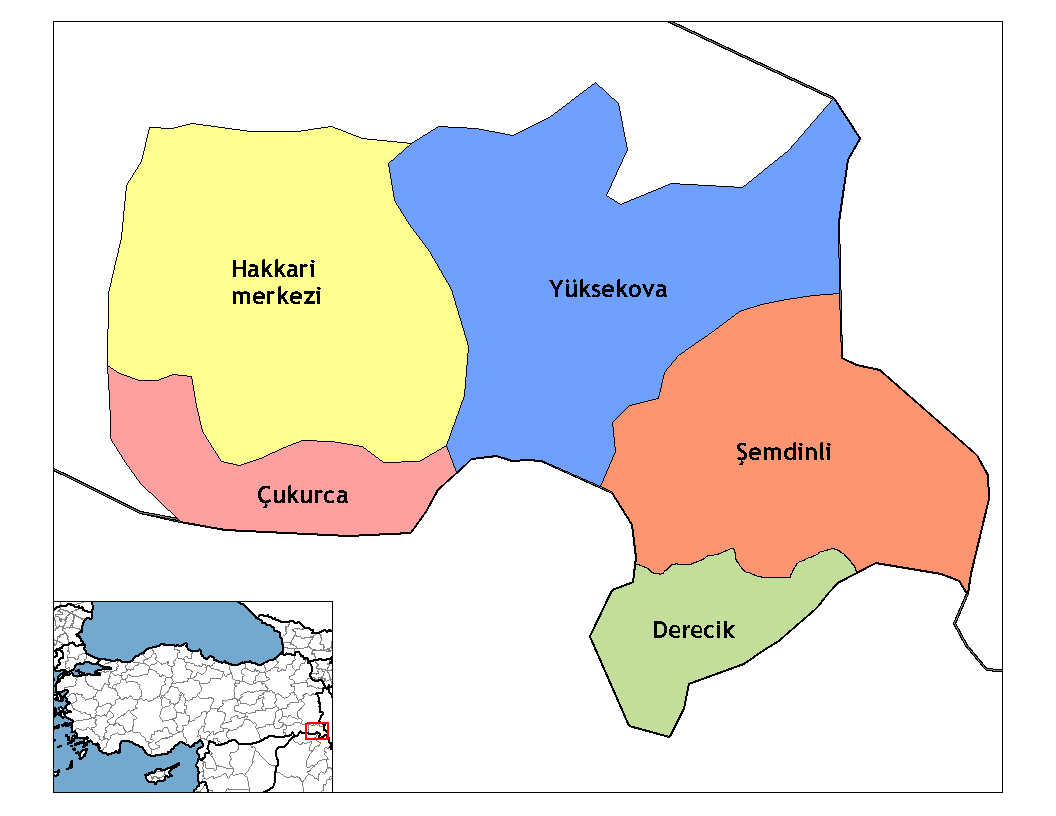
Yüksekova is a city and district in the far southeast of Turkey, located within Hakkâri Province. Its Turkish name means "high plain" and it is also known by local names: Kurdish: Gever and Syriac: Gawar. Administratively it belongs to Hakkâri Province and sits close to the international boundary, lying near the border with Iran.
Image gallery
9 Images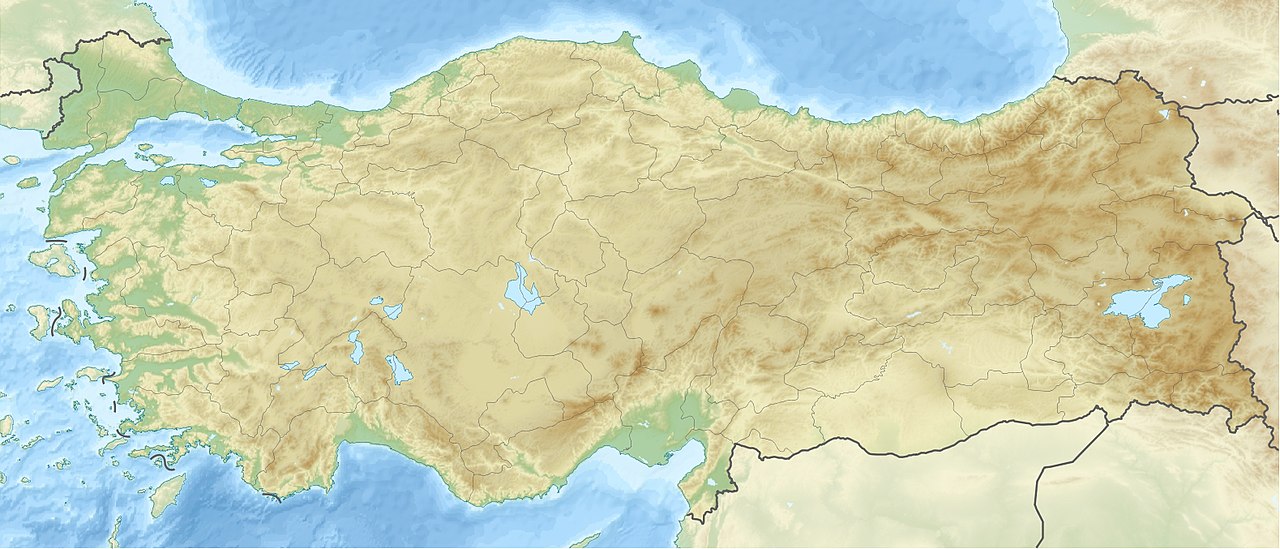



Geography and climate
The district occupies a high-altitude plateau surrounded by rugged mountains. Elevation and inland location produce a continental climate: warm, brief summers and long, cold winters that often bring heavy snowfall. In February 2020 the town experienced an extreme weather event when deep snow reportedly accumulated to several meters, disrupting transport and services.
History and population
Yüksekova has a long human presence due to its position on upland routes between Anatolia and the Iranian plateau. The area reflects a mix of cultures: Kurdish communities form a major part of the population today, while Syriac (Assyrian) and other groups have historical roots in the region. Over centuries the district was part of Ottoman administrative systems and later the Republic of Turkey; its modern development has been shaped by regional politics and migration.
Economy and infrastructure
Local livelihoods center on agriculture adapted to highland terrain, pastoralism, small-scale trade and services that support border traffic. The town functions as an administrative and commercial hub for surrounding villages, with roads that link it to provincial centers and the nearby international frontier. Seasonal weather can strongly affect transport, market activity and access to public services.
Characteristics and notable facts
- High-altitude plateau environment with surrounding mountains.
- Cultural diversity, including Kurdish majority and Syriac heritage.
- Strategic location near an international border influencing economy and security.
- Prone to severe winter conditions; major snowfall events have caused significant disruption.
As a regional center, Yüksekova illustrates how geography, cross-border ties and cultural diversity combine to shape life in southeastern Turkey. Readers seeking administrative details, demographic statistics or current local developments can consult provincial sources and local government publications for up-to-date figures and official information.
Related articles
Author
AlegsaOnline.com Yüksekova (Gever / Gawar) — high plain district of Hakkâri Province Leandro Alegsa
URL: https://en.alegsaonline.com/art/110217
Sources
- tuikapp.tuik.gov.tr : "Area of regions (including lakes), km²"
- rapor.tuik.gov.tr : "Population of province/district centers and towns/villages by districts - 2012"
- tirsik.net : Kürtçe Anamnez Anamneza bi Kurmancî
- tripadvisor.ca : tripadvisor.ca/Tourism-g790194-Yuksekova_Hakkari_Province-Vacations.html?fid=f2f73d20-c0a…
- cbc.ca : cbc.ca/news/world/turkish-village-buried-under-6-metres-that-s-20-feet-of-snow-1.5471514
- sbs.com.au : sbs.com.au/news/blizzard-buries-turkish-village-under-snow