
Yamuna — river of northern India: course, history, and contemporary issues
The Yamuna is a major northern Indian river, rising at Yamunotri in the Himalaya and joining the Ganges. This article outlines its course, tributaries, cultural importance, uses, and environmental challenges.
Overview
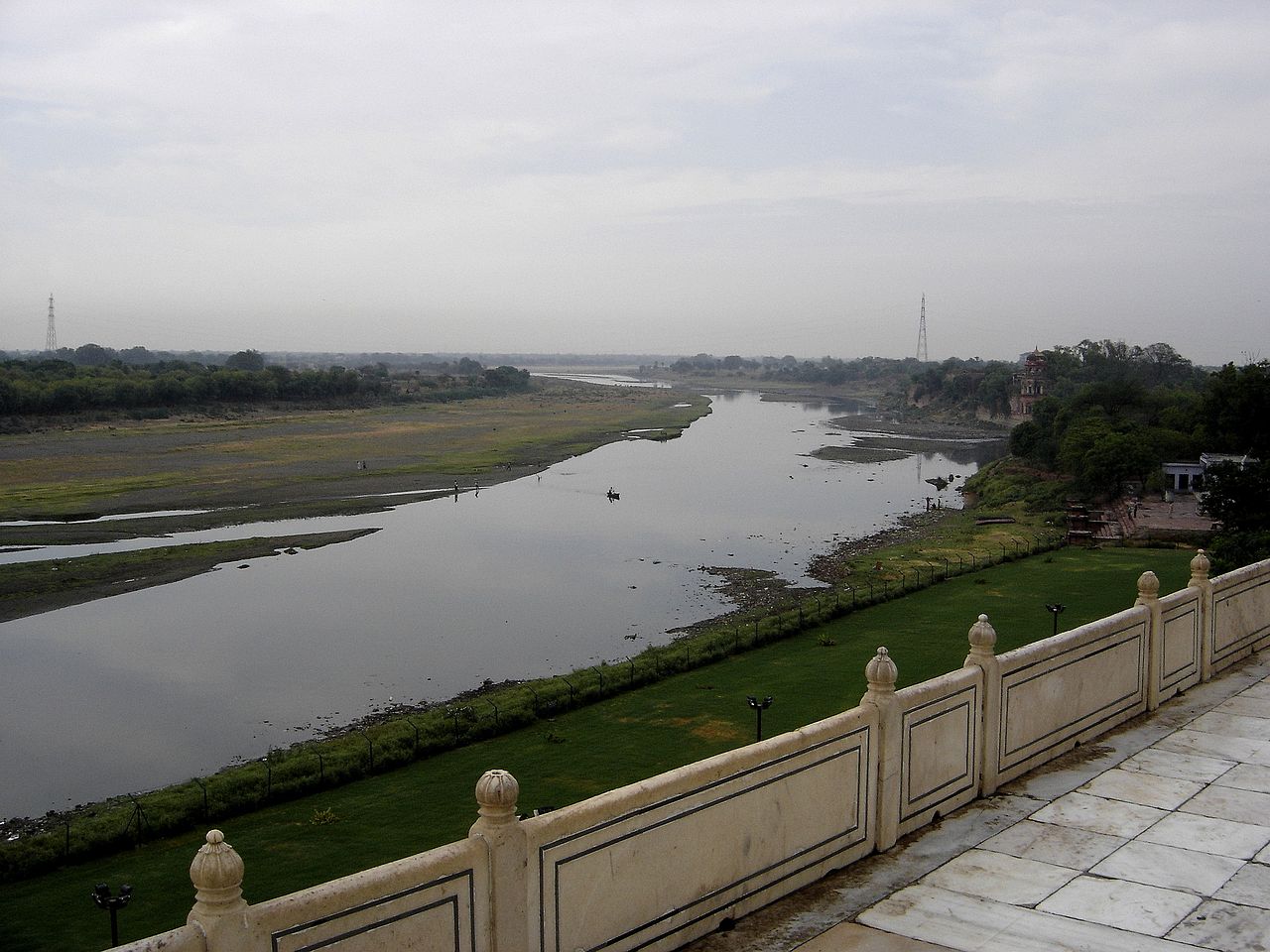
The Yamuna (Sanskrit: यमुना), also spelled Jamuna or Jumna, is one of the major rivers of northern India. It originates at the Yamunotri glacier in the Garhwal Himalaya and flows south-east across the Indo-Gangetic plain before joining the Ganges. The river is commonly cited as about 1,370 km long and carries both glacier-fed flows in its upper reaches and monsoon-driven runoff downstream. The Yamuna has been important historically for settlements, agriculture and pilgrimage, and it remains central to the economies and cultures of the regions it traverses.
Image gallery
10 Images




Course and tributaries
The Yamuna begins at Yamunotri in Uttarakhand, descends through mountainous terrain and then into the plains. It flows near or through the National Capital Territory of Delhi and the states of Haryana and Uttar Pradesh before its confluence with the Ganges at the Triveni Sangam in Prayagraj, a site of long-standing religious significance. Principal tributaries include the Tons (one of the largest tributaries), the Chambal, the Betwa and the Ken; these contribute substantially to the river’s flow and to the broader Ganges basin.
- Tons — major mountainous tributary.
- Chambal, Betwa, Ken — important tributaries draining central and north-central India.
- Numerous smaller streams and canal connections affect seasonal flow and irrigation.
Cultural and historical significance
The Yamuna appears in ancient Indian texts and is personified as a goddess in Hindu tradition. Cities and towns such as Mathura and Vrindavan on its banks are associated with the life of Krishna and are important pilgrimage destinations. The river’s confluences and ghats have been focal points for ritual, commerce and settlement for many centuries.
Uses, infrastructure and basin management
The Yamuna basin supports irrigation, municipal water supply and a range of river infrastructure including barrages, headworks and canal systems. Urban centres draw significant quantities of water; at the same time, diversion for irrigation and storage reduces flows during the dry season. Management of the river involves multiple state and national agencies and is shaped by competing needs for water, flood control, agriculture and urban services.
Environmental concerns and restoration efforts
Water quality and ecological health of the Yamuna have been degraded in many stretches, particularly downstream of large cities where untreated sewage, industrial effluents and agricultural runoff concentrate. Reduced dry-season flow limits the river’s ability to dilute pollutants and stresses aquatic habitats. Government programs, non‑governmental initiatives and local communities have mounted monitoring, treatment and restoration efforts; progress varies by reach and depends on sustained investment and coordination.
Notable facts
- The Yamuna is both a cultural symbol and a working river that supports millions of people.
- Its confluence with the Ganges at the Triveni Sangam is a major pilgrimage site.
- Effective restoration requires cross-jurisdictional cooperation across states and urban authorities.
For language variants and regional spellings see Bengali and regional names. For context within the larger river network consult general resources on the Ganges basin Ganges basin overview. The source region and pilgrimage routes are described in regional guides to Yamunotri and the Garhwal Himalaya Yamunotri and source region. Administrative and geographic details for the states and territories the Yamuna crosses are available via state profiles: Uttarakhand, Delhi, Haryana and Uttar Pradesh.
Related articles
Author
AlegsaOnline.com Yamuna — river of northern India: course, history, and contemporary issues Leandro Alegsa
URL: https://en.alegsaonline.com/art/109599