
Yam (Dioscorea): a starchy tuber and its uses
Yams are starchy tubers from the genus Dioscorea, cultivated in tropical regions and used across cuisines. Distinct from sweet potatoes, they vary in size, color and cultural importance.
Overview
A yam is a starchy tuber produced by several species of climbing plants in the genus Dioscorea. It is commonly described as a root vegetable, and in appearance can resemble a sweet potato, though the two are botanically unrelated. Yams supply dense carbohydrates and are a staple food for millions of people in tropical regions.
Image gallery
10 Images


Botany and varieties
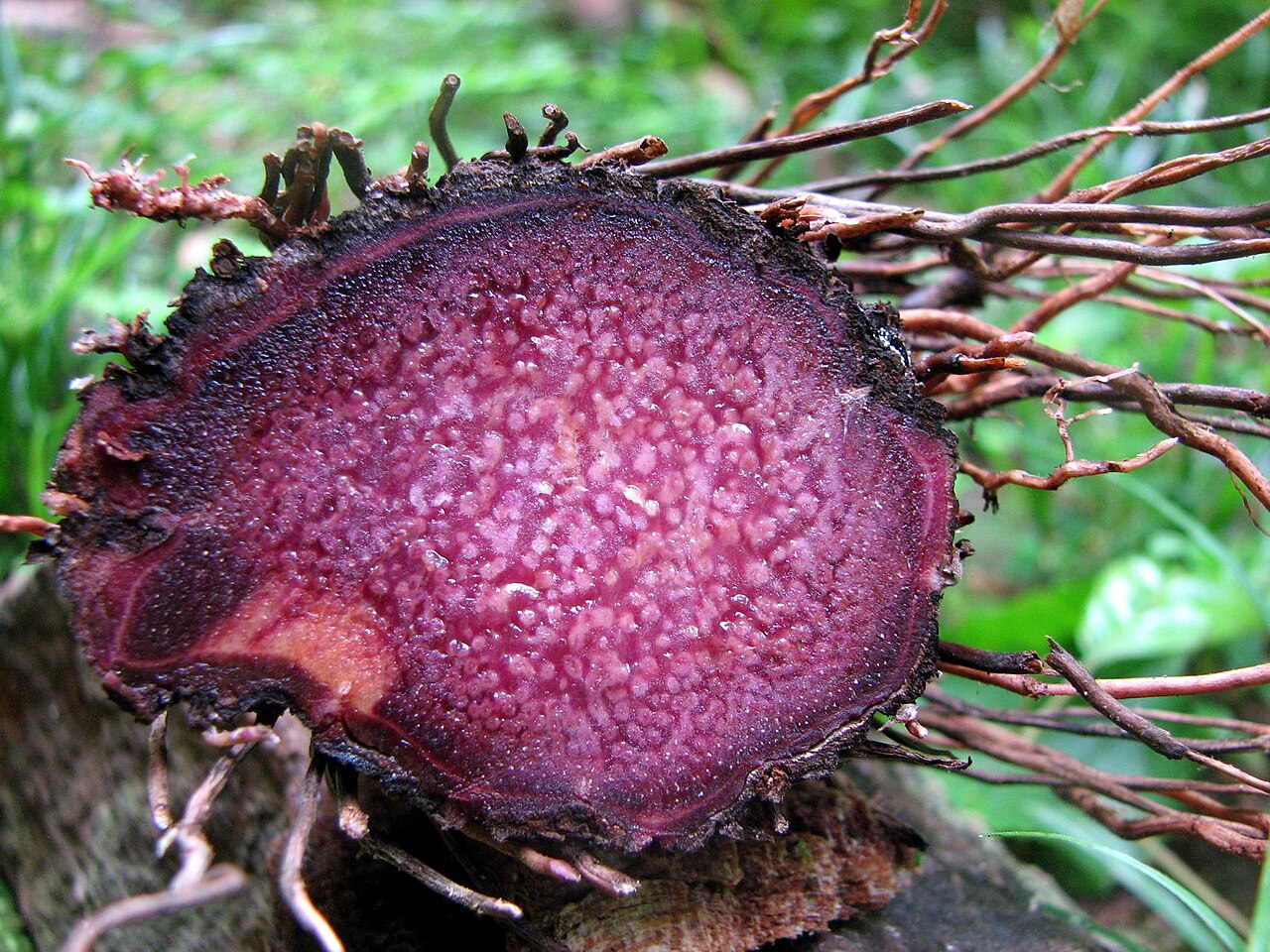
Yam plants are typically perennial vines that form underground tubers. Tuber size and flesh color vary widely among species and cultivars: some have white or yellow flesh, others purple or pink. Certain species, such as Dioscorea alata (often called water yam) and Dioscorea rotundata, are commonly cultivated for food. Skins are usually rough and thick and soften when cooked; individual tubers can reach very large sizes in favorable conditions.
Distribution and cultivation
Yams are grown across the tropics. Major producing areas include Africa, Asia, Latin America, the Caribbean and Oceania. Most of the global supply comes from West Africa; estimates often cite that a very large share of yam harvests originate in that region, where the crop is central to food systems and culture (West Africa). Yams are normally propagated from pieces of tuber or from aerial bulbils, grown on stakes, and require warm temperatures and reliable moisture during the growing season.
Culinary uses and preparation
Yams are versatile in the kitchen. Common methods of preparation include:
- barbecuing, roasting or baking whole tubers;
- frying into chips or slices;
- boiling or steaming for mashes and pounded dishes;
- grating for desserts, pancakes or fritters, and fermenting or smoking for preservation.
In many West African cuisines yams are boiled and pounded into a dough-like staple (often called fufu or pounded yam), while in other regions they may be used like potatoes or turned into starch and flour.
Cultural significance and notable facts
Yams hold ceremonial importance in several societies: harvest festivals and rituals celebrate the new yam season. Tubers serve both as food reserves and as symbols of wealth in some communities. Although sometimes interchangeable in casual speech, in North America the name "yam" is often applied to certain orange-fleshed sweet potatoes sold in markets; this usage can be confusing because the true yam is a different plant (sweet potatoes belong to the morning-glory family, and are marketed under names that include yam in some regions).
Practical distinctions and storage
When handling yams, keep in mind they are generally higher in dry starch and more fibrous than sweet potatoes. Raw yams can be difficult to peel and should be handled carefully, as some species contain irritant compounds that are neutralized by thorough cooking. Properly cured and stored in cool, dry conditions, many yams will keep for weeks to months, making them important for food security in areas with seasonal production.
For further basic references on yam biology and cultivation consult general plant guides and regional agricultural resources such as root vegetable overviews or species accounts for Dioscorea, and check local culinary sources for preparation techniques common to your region (Latin America, Caribbean, Africa and Oceania).
Related articles
Author
AlegsaOnline.com Yam (Dioscorea): a starchy tuber and its uses Leandro Alegsa
URL: https://en.alegsaonline.com/art/109575