
Zingiberaceae (Ginger family): characteristics, uses, and distribution
Zingiberaceae, the ginger family of aromatic perennial herbs with rhizomes, comprises about 50+ genera and 1,300+ species. Native to tropical Africa, Asia and the Americas; includes ginger, turmeric, cardamom.
The Zingiberaceae, commonly called the ginger family, is a group of tropical monocot flowering plants best known for aromatic rhizomes and many economically important species. Members are perennial, often herbaceous, with underground horizontal or tuberous rhizomes that store oils and starches. For a general introduction to the family see overview resources.
Image gallery
8 Images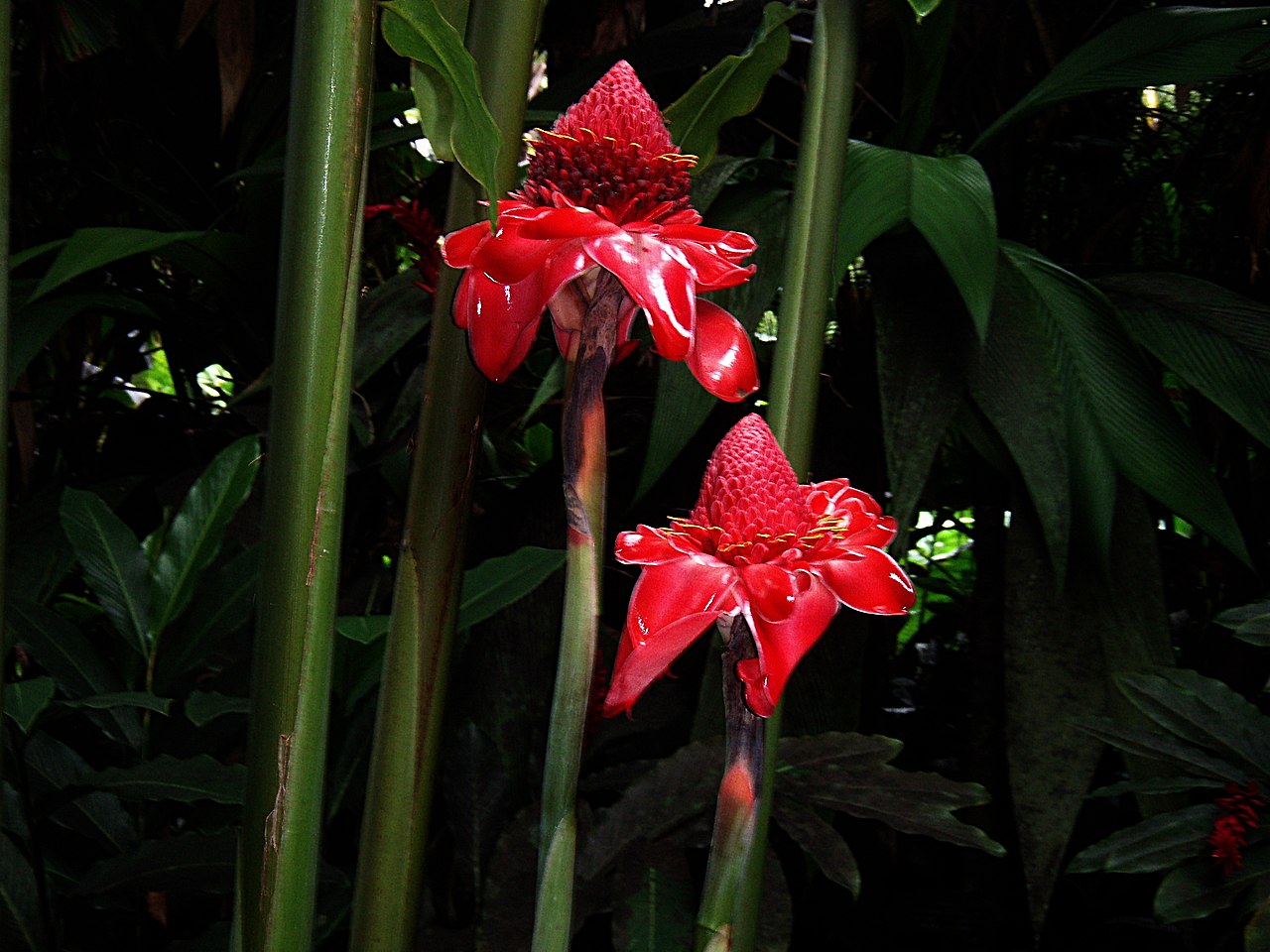





Key characteristics
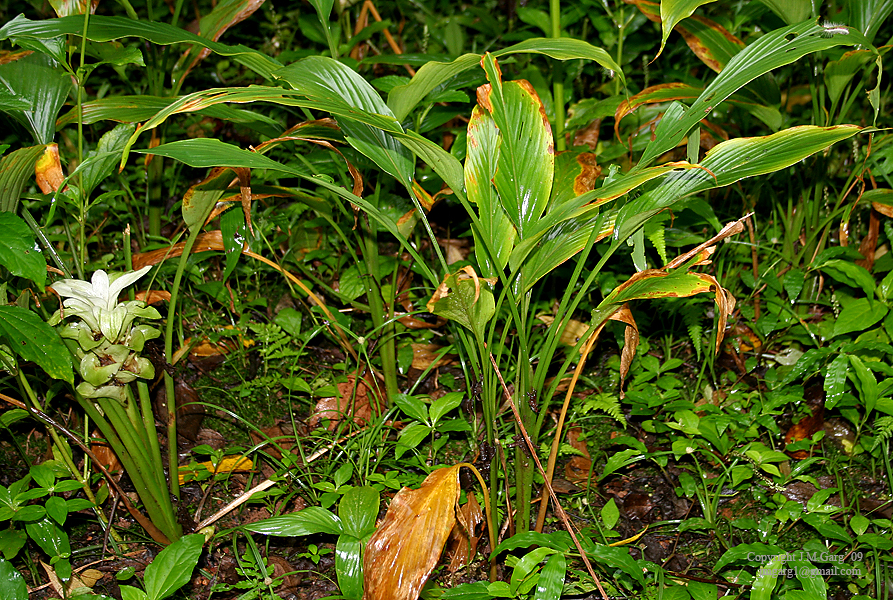
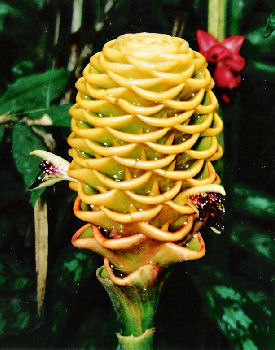
Plants in this family typically form leafy shoots from rhizomes; leaves are simple, alternate in two ranks, and arise from sheathing bases. Flowers are usually showy and zygomorphic with specialized structures derived from staminodes, and fruits are most often capsules or fleshy berries containing seeds with attractive arils. The rhizome chemistry yields distinct aromas and volatile oils; more on rhizome anatomy and chemistry is available at botanical summaries and practical guides at horticultural references.
Distribution and diversity
Zingiberaceae comprises roughly fifty or more genera and over a thousand species, with the greatest diversity in tropical Asia and the Indo-Malayan region. Species occur across tropical Africa, southern and eastern Asia, and the Neotropics. Native ranges and regional checklists can be consulted for Africa, Asia and the Americas via specialized flora pages: tropical Africa, Asia, the Americas. Overall distribution reflects adaptation to warm, humid habitats from lowland forests to montane understories.
Notable genera and examples
- Zingiber — includes Zingiber officinale, the common culinary ginger.
- Curcuma — includes turmeric (Curcuma longa), used as a spice and dye.
- Elettaria — source of cardamom pods.
- Alpinia, Hedychium, and Kaempferia — important ornamentals and horticultural species.
Uses and importance
Many Zingiberaceae species have culinary, medicinal and ornamental value. Several are widely cultivated as spices (ginger, turmeric, cardamom), while others are grown for attractive flowers and foliage. Rhizomes and essential oils are also used in perfumery, traditional medicine, and food processing. Cultivation ranges from small-scale home gardens to commercial plantations, and propagation is usually by division of rhizomes or by seed in breeding programs.
From a taxonomic perspective, the family belongs to the order Zingiberales and is related to other tropical monocot families. Its center of diversity and long history of human use make it both botanically interesting and economically significant. For further reading on identification, cultivation and regional species lists consult the linked resources above.
Related articles
Author
AlegsaOnline.com Zingiberaceae (Ginger family): characteristics, uses, and distribution Leandro Alegsa
URL: https://en.alegsaonline.com/art/110637