
Yew (Taxus): characteristics, uses, and cultural significance
Yews are coniferous trees and shrubs in the genus Taxus (family Taxaceae), known for flat needles, red arils, toxic seeds, long life, timber uses and the cancer drug paclitaxel.
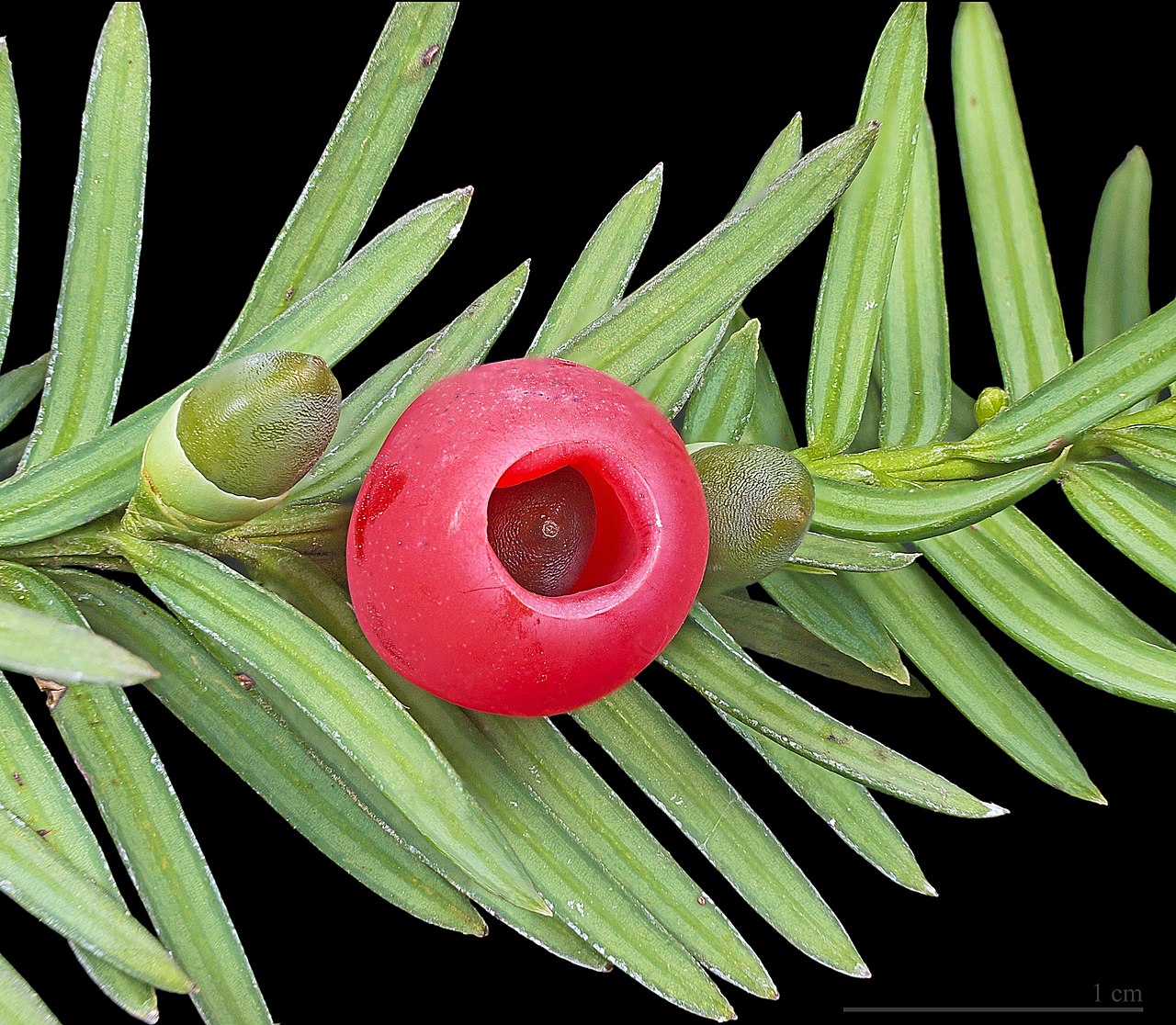
The yew is a slow-growing coniferous plant most often placed in the genus Taxus. Commonly called a tree or shrub, a yew typically has dense, dark-green, flat needles and produces a distinctive fleshy red cup called an aril around a single seed. Although they are conifers, yews differ from many others by bearing arils rather than woody cones.
Image gallery
10 Images




Physical characteristics
Yews are evergreen with short shoots bearing paired needles. Key features include:
- Flat, linear needles arranged spirally but appearing in two ranks.
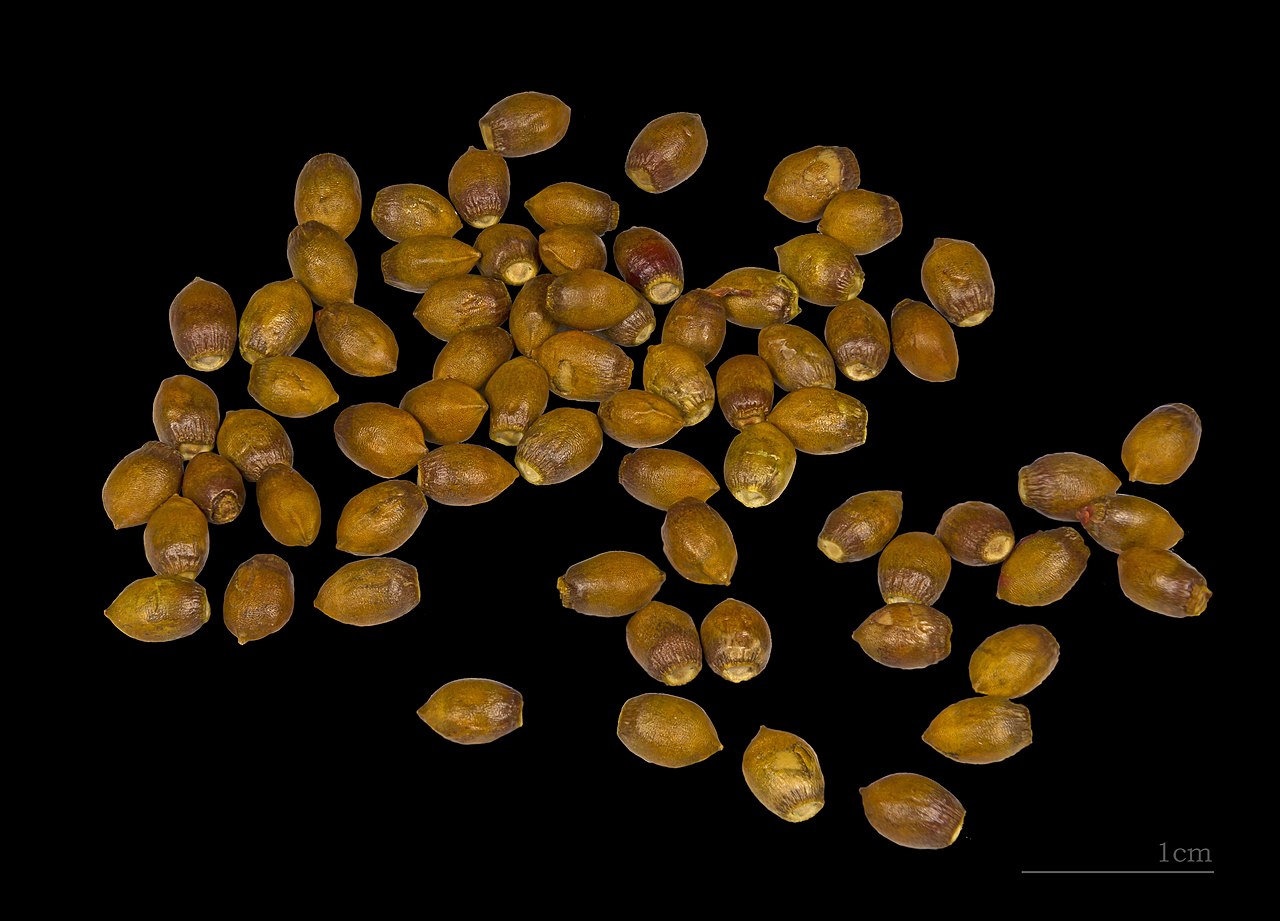
- Bright red, berry-like arils that mature in autumn; the seed inside the aril is poisonous.
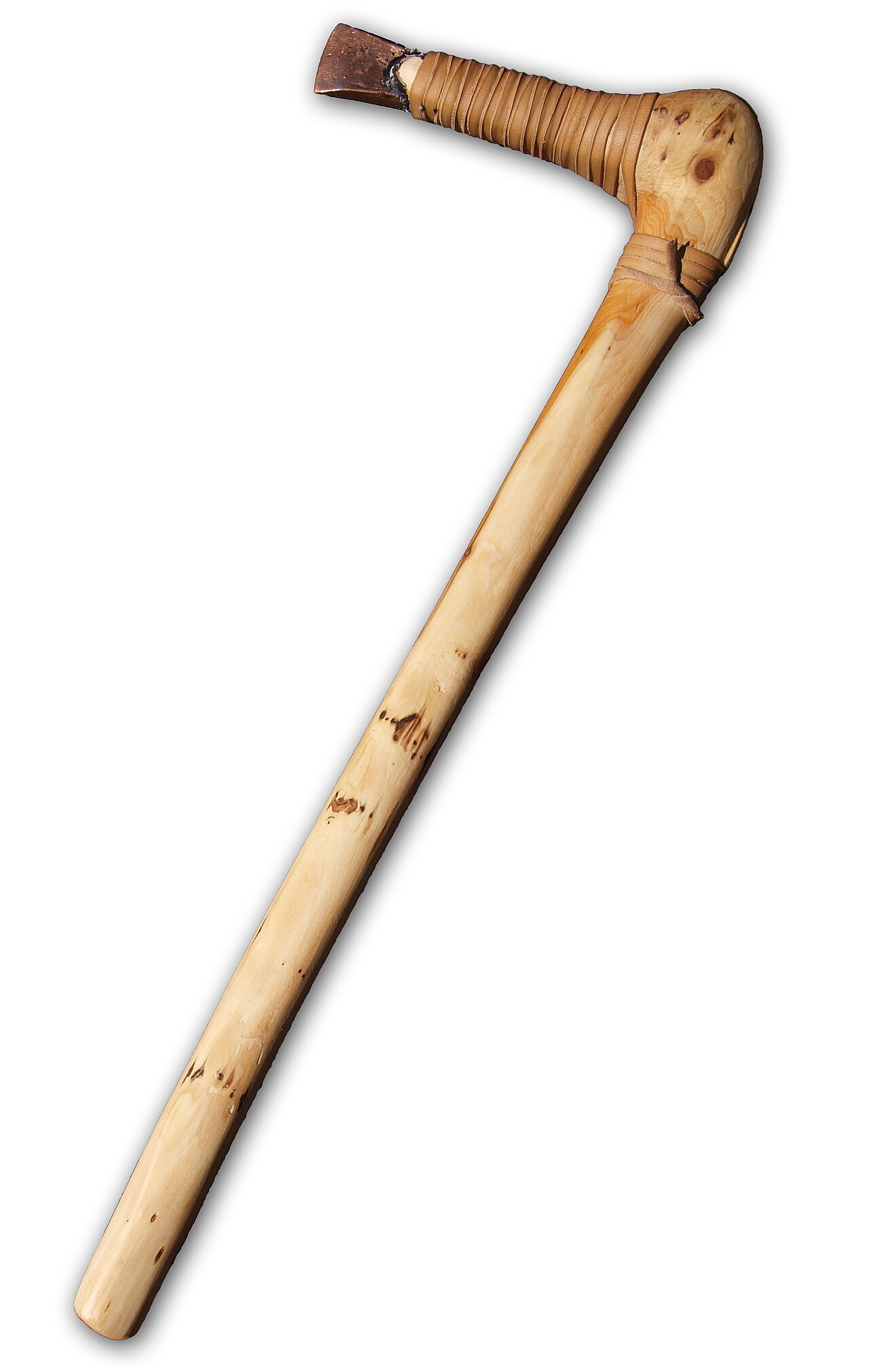
- Wood that is hard, elastic and historically valued for tools and weapons.
- Typically dioecious plants—male and female reproductive structures on separate individuals.
Taxonomy and species
Most yews belong to the genus Taxus within the family Taxaceae. Well-known species include the European yew (Taxus baccata), the Pacific or western yew (Taxus brevifolia), the Japanese yew (Taxus cuspidata) and several North American taxa. Common names such as "plum yew" or "false yew" are applied to related but distinct genera in some classifications.
Distribution and habitat
Yews occur across temperate regions of the Northern Hemisphere, from Europe through Asia to North America. They prefer well-drained soils and shaded or semi-shaded sites, often persisting in woodlands, hedgerows and churchyards where older specimens may survive for centuries.
Uses, risks and cultural notes
Yew wood has a long history of use for longbows and fine joinery because of its strength and elasticity. Medicinally, extracts from some species yielded the chemotherapy drug paclitaxel, a notable modern pharmaceutical derived from yew bark. At the same time, yew foliage and seeds contain toxic alkaloids (taxines); the fleshy aril is not poisonous but the seed it surrounds is, so care is needed with children and livestock. Many cultures revere ancient yews—especially those preserved in churchyards—for their age and symbolic associations with death and renewal.
Cultivation and conservation
Yews are popular in horticulture for hedging and topiary because they tolerate hard pruning. Conservation concerns vary by species: some local populations have been impacted by habitat loss and overharvesting for timber and medicinal extraction. Cultivated propagation by seed or cuttings is common, and sustainable management practices are encouraged where wild yews are harvested.
For further botanical details, horticultural guidance and conservation information consult specialist sources and local regulations.
coniferous • tree • Taxaceae
Related articles
Author
AlegsaOnline.com Yew (Taxus): characteristics, uses, and cultural significance Leandro Alegsa
URL: https://en.alegsaonline.com/art/109833