
World's Columbian Exposition (Chicago, 1893)
The 1893 World's Columbian Exposition in Chicago commemorated Columbus's 1492 voyage, showcased new technologies like the Ferris wheel and electric lighting, and influenced architecture, culture and commerce.
Overview
The World's Columbian Exposition, commonly called the Chicago World's Fair, opened in 1893 to mark the 400th anniversary of Christopher Columbus's 1492 voyage. The event was one of the largest international expositions of the 19th century and attracted millions of visitors. Chicago won the right to host the fair over other American cities such as New York and Washington, D.C., and the exposition took place on a landscaped lakefront site designed to impress and educate an expanding industrial nation. The fair was generally presented as a World's Fair or international exposition and is widely remembered for its scale, architecture and innovations.
Image gallery
10 Images





Design, layout and themes
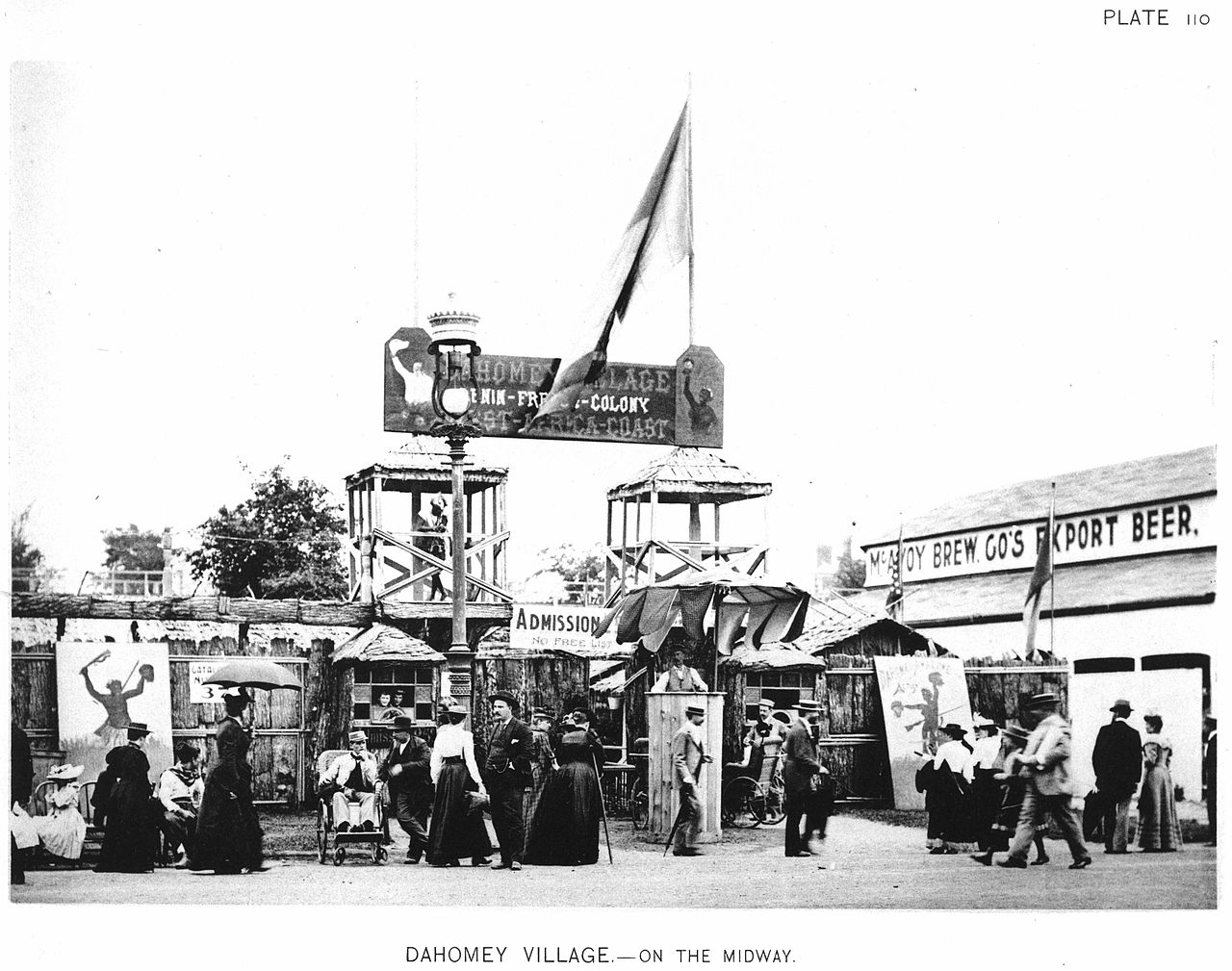
Organizers and architects created an ensemble of neoclassical buildings and broad promenades nicknamed the "White City" for the light-colored façades and unified aesthetic. The plan, led by figures such as Daniel Burnham, combined formal gardens, monumental courts and exhibition halls to display arts, industry and technological advances. The fair included a distinct entertainment zone called the Midway Plaisance, which offered popular amusements and ethnographic exhibits that reflected contemporary tastes and controversies about progress, race and empire.
Notable participants and exhibits
The exposition gathered inventors, industrialists, performers and politicians. Demonstrations and displays featured electrical systems associated with figures like Thomas Edison and Nikola Tesla, large-scale engineering such as the inaugural Ferris wheel conceived by George Ferris, and the commercial presentation of food and consumer brands including early appearances by companies related to Milton S. Hershey and Quaker Oats. Prominent visitors and participants included President Grover Cleveland, author Mark Twain, showman Buffalo Bill, the Lakota leader Sitting Bull, musician Scott Joplin, retailer Marshall Field, and Chicago mayor Carter Harrison, Sr..
Innovations and cultural impact
The fair popularized alternating-current electrical illumination, large-scale themed exhibits, and new entertainment formats. It also inspired intellectual work: historians and social commentators gathered and debated ideas such as Frederick Jackson Turner's frontier hypothesis, first given wide attention in the fair's milieu. The United States Mint issued some of the earliest modern commemorative coins for the exposition, and the fair accelerated interest in urban planning and the City Beautiful movement.
Legacy and criticisms
While celebrated for its grandeur and influence on architecture, urban planning and leisure culture, the exposition also drew criticism. Ethnographic and colonial displays reflected imperial attitudes and racial hierarchies of the period, and many indigenous and immigrant peoples were shown in ways that modern observers consider demeaning. Several temporary buildings were demolished after the fair, but its ideas endured, shaping parks, museums and public architecture in the decades that followed.
Where it happened and why it matters
The exposition was held in Chicago on grounds that showcased the city's recovery and ambitions after the Great Chicago Fire of 1871; the choice of Chicago underscored the city's emerging role in industry and transportation. The fair remains a major reference point in American cultural and architectural history for how exhibitions can accelerate technological adoption, create national narratives and influence urban design. For further contextual reading see general resources on world's fairs and the 1893 exposition's long-term effects in planning, commerce and popular culture. For concise reference, the fair is often identified by its official name, the World's Fair: Columbian Exposition, commemorating Christopher Columbus and the Age of Discovery.
For a list of primary participants and focal attractions consult curated exhibitions and archival collections that document the roles of designers, exhibitors and performers who shaped the fair's public image and long-term impact.
Related articles
Author
AlegsaOnline.com World's Columbian Exposition (Chicago, 1893) Leandro Alegsa
URL: https://en.alegsaonline.com/art/109136