
World's Fair (International Exposition)
A world's fair is a large international exhibition that showcases industry, technology, culture and national achievements. Held since the mid-19th century and regulated by the BIE.
A world's fair, also called an exposition or expo, is a large public exhibition where countries, companies and cultural organizations present advances in industry, science and technology alongside displays of culture and the arts. These events bring together pavilions, demonstrations and performances under a unifying theme and attract international visitors, trade delegations and media attention. Modern expositions trace their origins to international exhibitions that began in the mid-19th century, intended to display industrial progress and foster trade.
Image gallery
10 Images


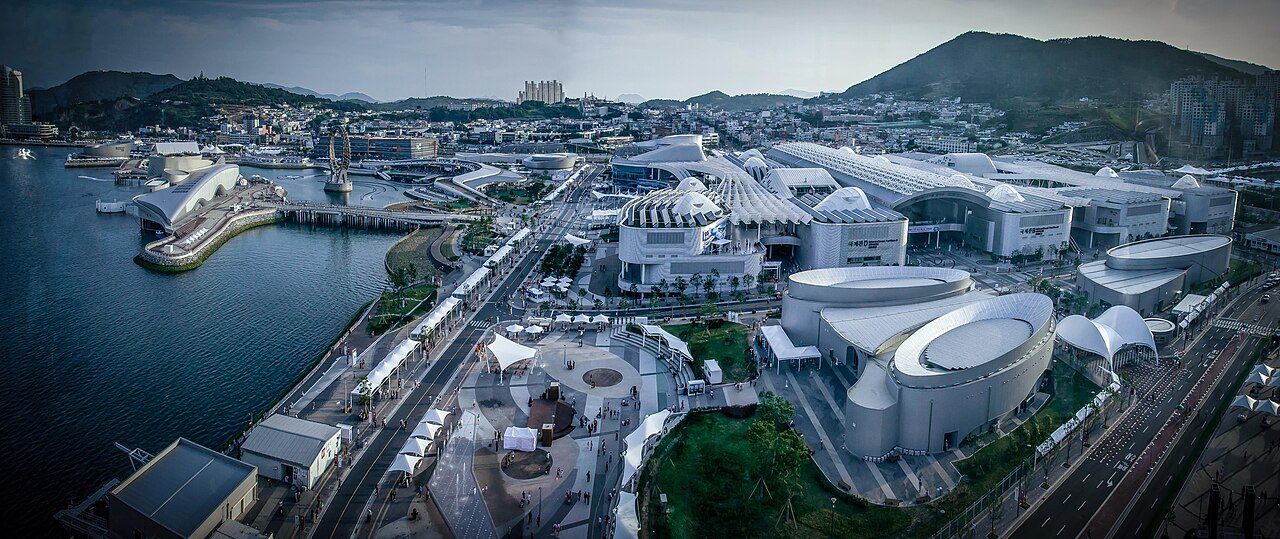
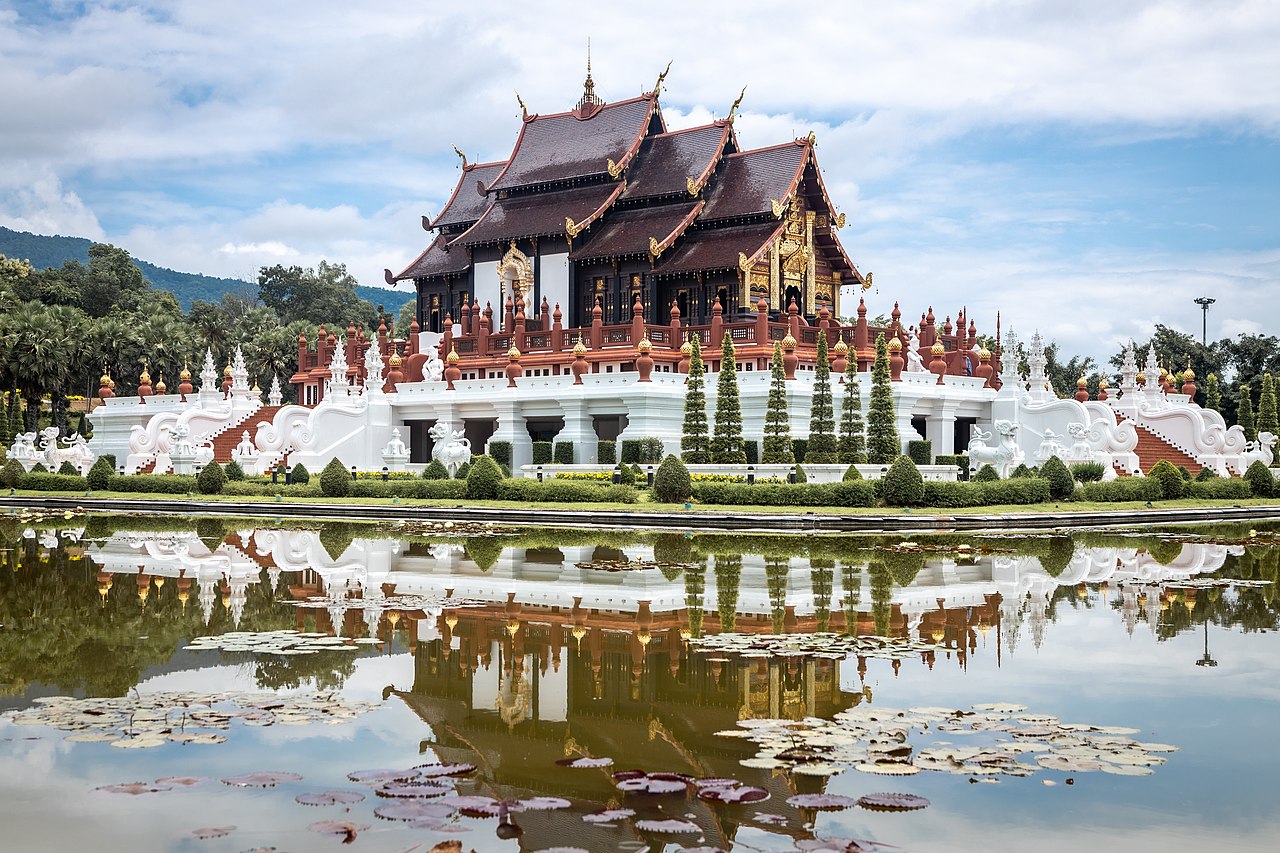


Typical characteristics
- Large-scale, temporary sites with national and corporate pavilions built for the event.
- A central theme that guides exhibitions, programming and design.
- Opportunities for demonstrating new technologies, architecture and design concepts.
- Educational, cultural and commercial programming intended for a broad public audience.
Historically, world's fairs have been venues for high-profile architectural and technological introductions. Early examples include the 1851 Great Exhibition in London, which showcased industry from many nations and was housed in the Crystal Palace, and later expositions that produced iconic landmarks and public interest in urban planning and engineering. Over time, fairs also reflected political and cultural currents, including national rivalries, artistic movements and debates over empire and globalization.
Organization and governance
Official international expositions are regulated by an intergovernmental organization known by its French name, the Bureau International des Expositions (BIE). The BIE establishes rules about frequency, scope and candidacy so that hosting cities can plan and coordinate participation. Some events are large, multi-year world expositions while others are shorter, more specialized shows; both formats have continued under BIE oversight and national decision-making.
World's fairs serve multiple practical and symbolic roles: they promote trade and tourism, provide a forum for cultural exchange and soft diplomacy, and often leave a built legacy—venues, parks or sculptures—that can shape a host city for decades. They also offer testing grounds for urban ideas, sustainability measures and exhibition design.
Contemporary expositions emphasize global challenges such as sustainable development, urbanization and technology's social impacts. At the same time, fairs face critiques about expense, gentrification, and the commercial framing of culture. Nevertheless, they remain a visible stage where governments and organizations present visions of progress to a worldwide audience.
For further context on industrial and cultural presentations, see related resources on industry and culture, or consult historical summaries linked to the period beginning in the mid-19th century.
Questions and answers
Q: What is a world's fair?
A: A world's fair is a large exhibition of industry and culture, also known as an exposition or expo.
Q: When did world's fairs start occurring?
A: World's fairs have been occurring since the middle of the 19th century.
Q: What is the Bureau of International Expositions?
A: The Bureau of International Expositions is the official organization that takes care of world's fairs.
Q: What is the abbreviation for Bureau International des Expositions?
A: The abbreviation for Bureau International des Expositions is BIE.
Q: When was the Bureau of International Expositions established?
A: The Bureau of International Expositions was established in the 1920s.
Q: Who oversees official world expositions?
A: The Bureau of International Expositions oversees official world expositions.
Q: Can any organization hold a world's fair?
A: No, only official world expositions overseen by the Bureau of International Expositions count as world's fairs.
Related articles
Author
AlegsaOnline.com World's Fair (International Exposition) Leandro Alegsa
URL: https://en.alegsaonline.com/art/109137