
Grover Cleveland: Honest Reformer and the Only U.S. President with Nonconsecutive Terms
Grover Cleveland (1837–1908) was the 22nd and 24th president of the United States, noted for political reform, frequent use of the veto, opposition to corruption and imperialism, and a second, nonconsecutive term.
Overview
Stephen Grover Cleveland (born March 18, 1837) served as the 22nd (1885–1889) and 24th (1893–1897) President of the United States. He remains the only chief executive to win a second term that was not consecutive to his first. A Democrat who regained the presidency after a Republican term, Cleveland is widely remembered for his reputation for personal integrity, his stand against political corruption and patronage, and his preference for limited federal government.
Image gallery
10 Images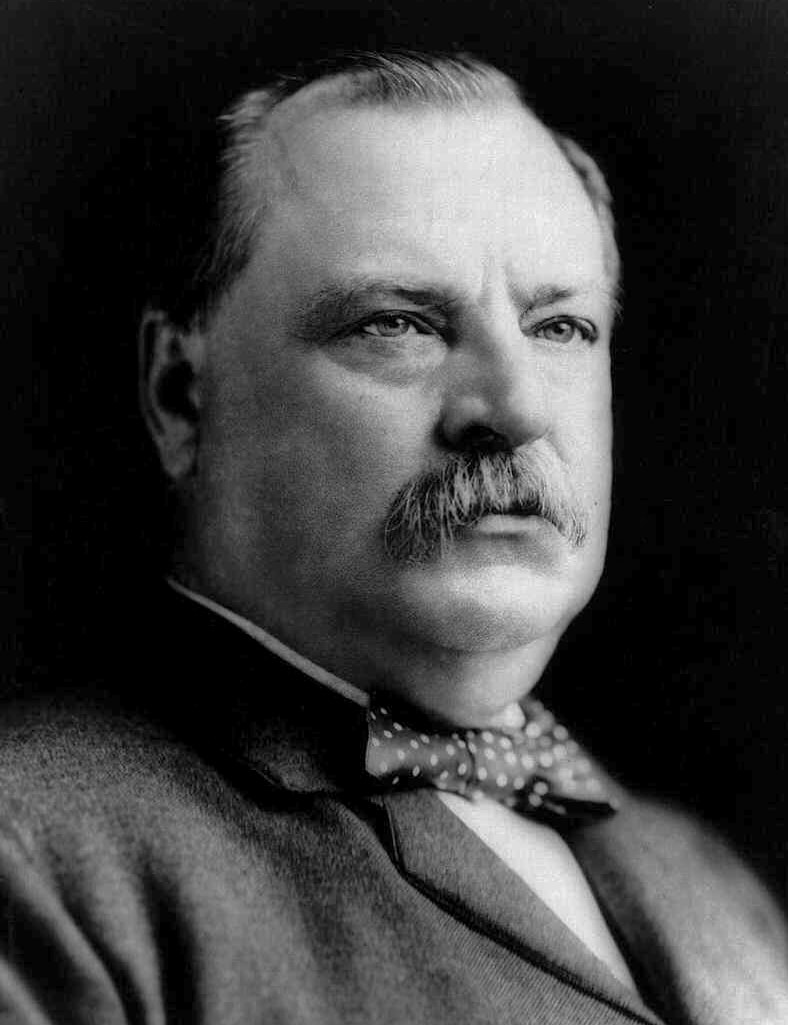


Early life and rise to public office
Cleveland was born in Caldwell, New Jersey, on March 18, 1837. He trained as a lawyer by apprenticeship and established his legal practice in western New York and Buffalo. His law career led to local public office; Cleveland served in municipal roles and rose to become mayor of Buffalo and then governor of New York, positions that brought him national attention and paved the way for his presidential nomination.
Political beliefs and presidential style
As president, Cleveland emphasized fiscal restraint, civil service reform and strict interpretations of executive power. He described himself as a believer in limited government: lower taxes where possible, careful public spending, and opposition to waste and special-interest bills. Cleveland used the presidential veto much more often than many of his contemporaries to block measures he judged unnecessary or corrupt. He also opposed imperial expansion and declined to pursue aggressive interventions in Latin America, preferring diplomatic solutions.
Second term, economic crisis and interventions
During Cleveland’s second term the nation experienced the Panic of 1893, a severe economic depression that dominated his final years in office. He favored maintaining the gold standard and resisted inflationary proposals that leaders of the free-silver movement supported. Faced with serious labor unrest, Cleveland authorized federal intervention in some instances—most notably the Pullman strike—arguing that the federal government must ensure the operation of interstate commerce and the postal service.
Personal life, notable events and death
Cleveland married Frances Folsom in the White House, becoming the first president to hold a wedding there; Frances Folsom was much younger than he, and their daughter Ruth was born during his first term. Cleveland was known for private, modest habits; during his second presidency he underwent a secret surgical procedure aboard a yacht to remove a growth from his jaw, a choice made to avoid public alarm. He died of a heart attack on June 24, 1908, in Princeton, New Jersey, as recorded in contemporary accounts of his passing and cause of death.
Legacy and notable distinctions
Cleveland is often judged by historians as a president of high personal character whose policies combined fiscal conservatism with reformist impulses. He was the first Democratic president elected after the Civil War era realignments and played a prominent public role during a period of intense economic and political change in the United States. His insistence on honest government, his frequent use of the veto, and the rarity of his nonconsecutive terms remain among the most cited features of his public life. For further reading on Cleveland’s life and career, consult specialized biographies and documentary collections that collect his speeches and correspondence (historical sources, local archives, presidential records).
- Born: March 18, 1837, Caldwell, New Jersey
- Presidencies: 22nd (1885–1889) and 24th (1893–1897) — nonconsecutive
- Marriage: Frances Folsom (first presidential wedding in the White House)
- Died: June 24, 1908, Princeton, New Jersey (heart attack)
Related articles
Author
AlegsaOnline.com Grover Cleveland: Honest Reformer and the Only U.S. President with Nonconsecutive Terms Leandro Alegsa
URL: https://en.alegsaonline.com/art/120083
Sources
- books.google.com : American Presidents Year by Year
- whitehouse.gov : "Grover Cleveland"