
Sitting Bull (Tatanka Yotanka) — Hunkpapa Lakota leader and resistance figure
Sitting Bull (c.1831–1890), Tatanka Yotanka, was a Hunkpapa Lakota leader who resisted U.S. expansion, played a central role at the Little Bighorn, and became an enduring symbol of Native American resistance and culture.
Overview
Sitting Bull (born Tatanka Yotanka, about 1831) was a prominent leader and spiritual figure of the Hunkpapa band of the Lakota (Sioux). He is best known for his leadership during the Plains Indian resistance to United States military pressure in the late 19th century and for his association with the 1876 defeat of Lt. Col. George Armstrong Custer at the Battle of the Little Bighorn. Modern accounts treat him as both a political chief and a cultural symbol for Native American resistance and sovereignty. For basic biographical references see birth estimate and day of death and year of death.
Image gallery
10 Images



Early life and rise to leadership
Tatanka Yotanka grew up in the lifeways of the Plains—horse culture, hunting, and intertribal diplomacy. As a young man he took part in war parties and hunts typical for Lakota boys transitioning to warrior status; he gained reputations for courage and skill. He emerged as a leader among the Hunkpapa Lakota, a division of the broader Sioux peoples. His name, commonly translated as Sitting Bull, became widely used in both Indigenous and Euro‑American accounts.
Role in the Plains conflicts
Sitting Bull opposed U.S. government policies that restricted traditional lands and buffalo hunting. He allied with other leaders, including warriors such as Crazy Horse, during the campaigns that culminated in the mid‑1870s and 1880s conflicts. The combined Native force defeated Custer’s detachment at the Battle of the Little Bighorn in 1876, an important but temporary setback to U.S. military advances. He also resisted raids and pressure from neighboring groups such as the Crow in earlier years.
Leadership, culture, and later life
Beyond battlefield actions, Sitting Bull was regarded as a spiritual leader. He used his influence to maintain Lakota traditions amid profound cultural change after increased settlement and military presence on the Plains. In the late 1880s he spent time in exile in Canada before returning to the United States. During his later years he took part in public exhibitions and toured with shows, a complex chapter reflecting limited options available to many Indigenous leaders at the time.
Death and legacy
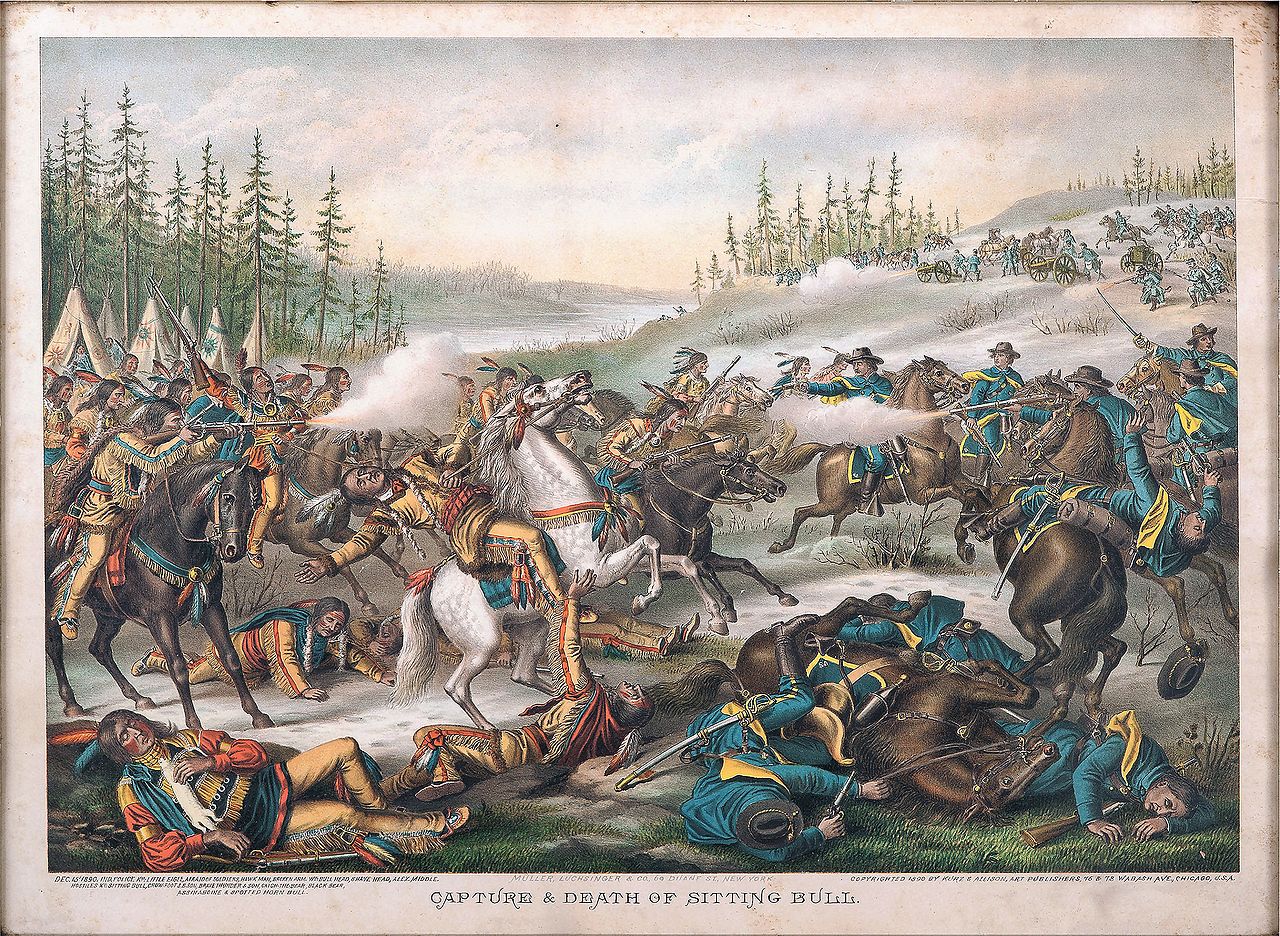
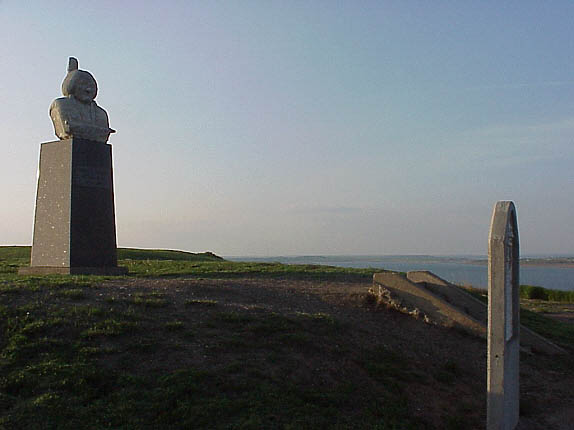
On December 15, 1890, during efforts by Indian police and authorities to arrest him amid fears of wider unrest, Sitting Bull was killed; accounts identify a police sergeant named Red Tomahawk as present at the fatal confrontation. His death came in the same period as the Wounded Knee massacre and marked a symbolic end to a particular era of armed resistance. Today Sitting Bull is remembered in art, history, and Native communities as a defender of Lakota ways and an enduring symbol of Indigenous resilience.
Notable facts and distinctions
- Also known by his Lakota name, Tatanka Yotanka, often translated as ‘‘Sitting Bull.’’
- Played central roles as both a warrior and spiritual/political leader during the 19th‑century Plains conflicts.
- Associated with the allied Lakota and Cheyenne victory over Custer at the Little Bighorn.
- Later life included exile in Canada and participation in public exhibitions—reflecting broader pressures on Plains peoples.
Further reading and archival references can be consulted through general resources and historical collections; for introductory sources see Indigenous histories and topical compilations at biographical and historical repositories.
Related articles
Author
AlegsaOnline.com Sitting Bull (Tatanka Yotanka) — Hunkpapa Lakota leader and resistance figure Leandro Alegsa
URL: https://en.alegsaonline.com/art/90809