
World Trade Center (2001–present)
Rebuilt complex in Lower Manhattan on the site of the 2001 attacks. Includes office towers, a memorial, transit hub and public spaces anchored by One World Trade Center.
The World Trade Center (2001–present) is the rebuilt commercial and memorial complex in Lower Manhattan constructed on the site of the original World Trade Center destroyed in the September 11 attacks. The project combines new office towers, a national memorial and museum, a major transit hub and public plazas. It is the result of a long planning and construction effort involving public agencies, private developers, architects and survivors' families.
Image gallery
10 Images

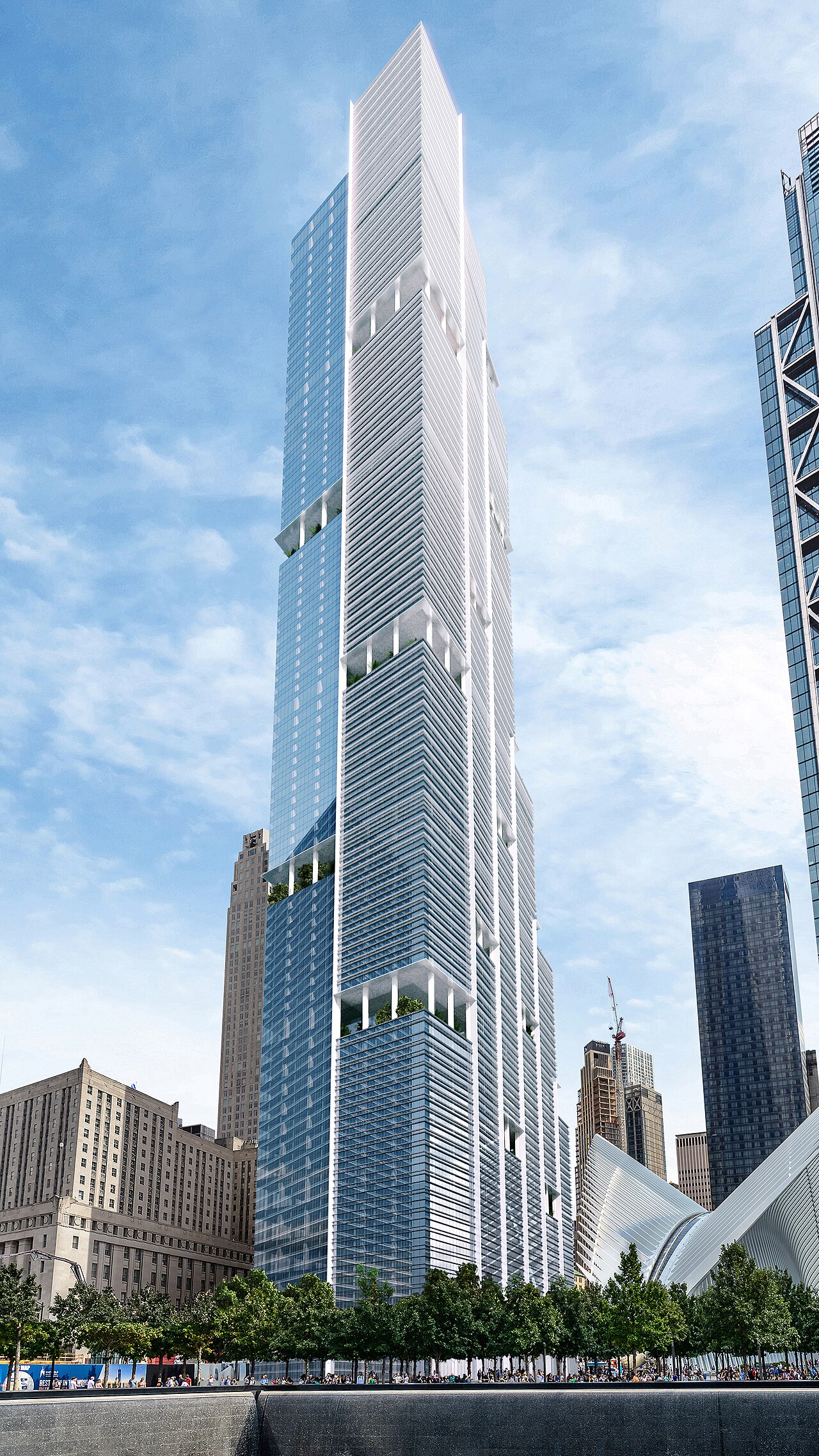


Components and design
The site plan envisions six skyscrapers of which four have been completed, together with a transportation hub and significant open space. The most prominent tower is One World Trade Center, the complex's primary office building and a symbol of the reconstruction. The memorial and museum occupy the footprints of the original twin towers and include pools and contemplative landscaping. The transit hub, commonly known as the Oculus, serves regional trains and connects to nearby subway lines and streets.
Notable features
- One World Trade Center: the tallest tower in the complex and a focal point for commercial tenants and visitors. See One World Trade Center for more detail.
- Memorial & Museum: dedicated to the victims of the 2001 attacks and earlier events on the site.
- Oculus and transit connections: a sculptural passenger hall designed to improve pedestrian circulation and regional transit access.
- Public spaces: plazas, landscaping and pedestrian routes intended to integrate the complex with Lower Manhattan.
The site is part of the larger neighborhood of Lower Manhattan in New York City, and it occupies the same footprint as the original site where the earlier complex once stood. The earlier World Trade Center complex is often referred to in historical discussions; background on the original development and its destruction during the September 11 attacks is essential to understanding the contemporary project.
History of the rebuilding
Planning for the new complex combined ideas from a public competition, master plans and individual architects. The master plan emphasized memorialization alongside new commercial development. Rebuilding was phased to allow occupation of finished towers while other elements were completed, and it drew significant public attention because of the site's emotional and economic importance.
Uses, importance and public response
The contemporary World Trade Center serves multiple roles: it is an international business address, a major transportation node, a tourist destination and a national place of remembrance. Its architecture and security features reflect lessons learned from the past, and the site has prompted debate about urban design, memorialization and the balance between commercial and public uses. For context on the complex's role in the city and continent, see references to North America and broader urban redevelopment discussions. Additional resources and official pages provide further information about the site's components and ongoing developments: original complex history, Lower Manhattan planning, and transit details at the hub's information pages (city resources, site summaries).
The World Trade Center remains a living part of New York City's urban fabric: it blends remembrance with commerce and mobility, and continues to evolve as additional towers and public amenities are completed and occupied.
Related articles
Author
AlegsaOnline.com World Trade Center (2001–present) Leandro Alegsa
URL: https://en.alegsaonline.com/art/109117
Sources
- usatoday.com : "Building of N.Y. Freedom Tower begins"
- nytimes.com : "As a Hurdle Is Cleared, Building Begins At Ground Zero"
- blogs.wsj.com : "One World Trade to Open Nov. 3, But Ceremony is TBD"
- news.yahoo.com : "World Trade Center Reopens for Business"
- usatoday.com : "New World Trade Center to open after years of delays"
- dnainfo.com : "4 WTC Becomes First Tower at Trade Center Site to Open" · web.archive.org
- lowermanhattan.info : "7 World Trade Center Opens with Musical Fanfare" · web.archive.org
- ny.curbed.com : "At Last, Tour Santiago Calatrava's World Trade Center Transportation Hub"
- foxnews.com : "One World Trade Center to retake title of NYC's tallest building"
- skyscrapercenter.com : "One World Trade Center - The Skyscraper Center"
- emporis.com : "Three World Trade Center, New York City | 252968 | EMPORIS"
- skyscrapercenter.com : "4 World Trade Center - The Skyscraper Center"
- skyscrapercenter.com : "7 World Trade Center - The Skyscraper Center"