
World Trade Center (1973–2001): the original Twin Towers complex
The original World Trade Center in Lower Manhattan (1973–2001) comprised the Twin Towers and associated buildings; it was a landmark of modern engineering, a commercial hub, and the site of the 2001 terrorist attacks.
The original World Trade Center was a group of office buildings and public spaces built in Lower Manhattan to concentrate international commerce and business activity. Located in Lower Manhattan, within New York City in New York, United States, the complex was best known for its two 110‑story towers, commonly called the Twin Towers. Opened in the early 1970s, the complex combined ambitious structural engineering with large amounts of office space and a transportation hub, and became an iconic part of the city skyline until it was destroyed in the September 11, 2001 attacks.
Image gallery
10 Images


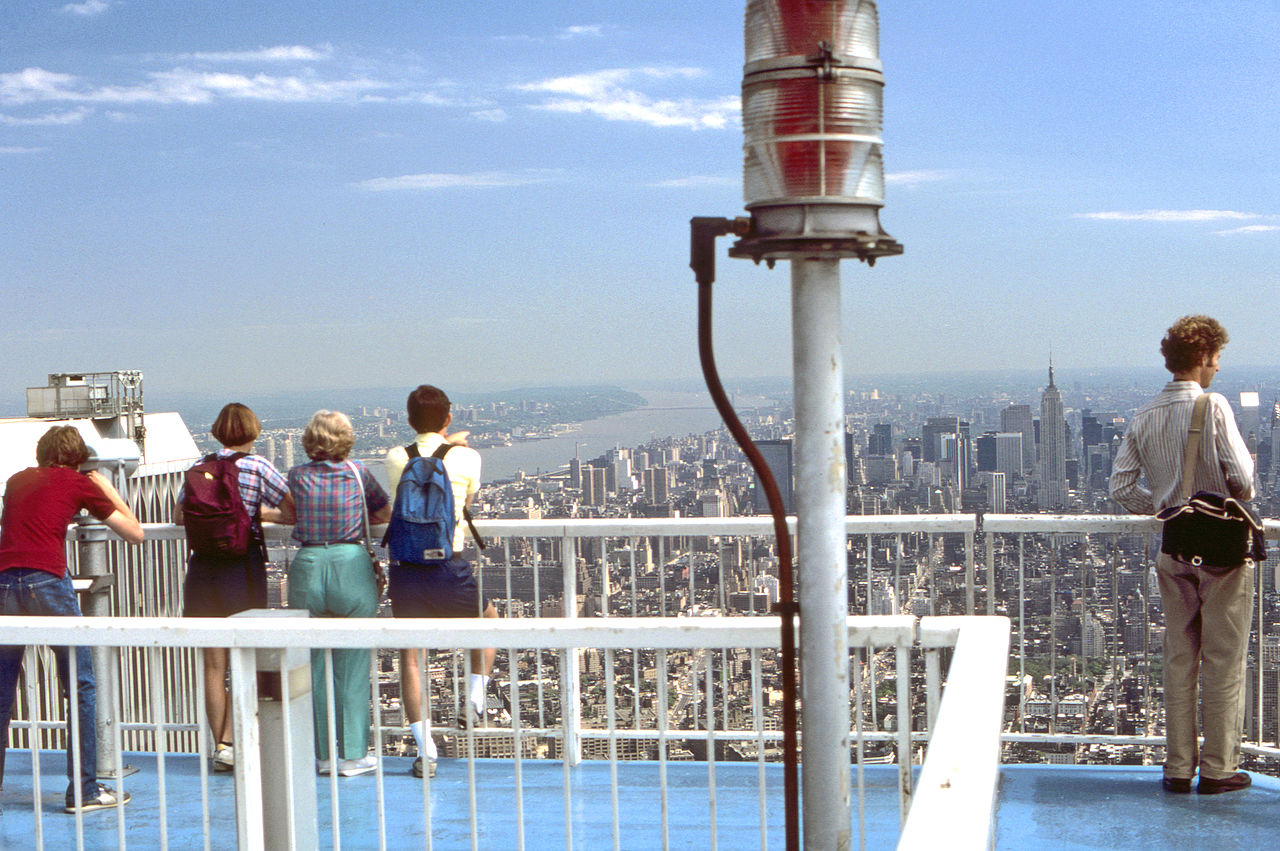

Design, features, and innovations
Designed in the 1960s by architect Minoru Yamasaki, the Twin Towers used a then‑novel "tube" structural approach that concentrated vertical load on closely spaced exterior columns, allowing for wide, column‑free floors inside. This distinctive façade created the towers' characteristic vertical ribs. To move large numbers of people efficiently, the buildings used an express/local elevator system and sky lobbies, which reduced the number of shafts penetrating each floor and permitted more usable office area. Public amenities included observation decks, restaurants, retail space in an underground concourse, and plazas open to the public. Over time the North Tower acquired a rooftop antenna that altered its profile and supported broadcast equipment.
Construction and development
Construction began with a ceremonial groundbreaking in August 1966. The Port Authority of New York and New Jersey oversaw the project, agreeing to integrate and operate local rail connections as part of the development. The larger complex was completed in stages: the North Tower was finished around 1970 and the South Tower in 1971, with the broader World Trade Center development opening in the following years. Excavation for the site produced large quantities of fill that were later used to create the adjacent Battery Park City, changing the shoreline of Manhattan and enabling further redevelopment of Lower Manhattan.
Composition, tenants, and public role
- Primary elements: the two main towers, several smaller office buildings clustered around them, an international trade center, a hotel, and public plaza areas.
- Occupants: a mix of government agencies, financial firms, shipping companies, and other commercial tenants that used the space for offices, trade exhibitions, and services.
- Transportation and access: the complex sat above a major transit node and subterranean concourse connecting to regional rail and local transportation, making it both a workplace and a public destination.
September 11, 2001 and legacy
On September 11, 2001, hijacked aircraft were flown into both towers, producing catastrophic damage and collapse that destroyed the core of the complex and killed nearly 3,000 people. In the aftermath, one of the smaller buildings in the complex also collapsed and others were damaged beyond repair. The site underwent a lengthy period of recovery, cleanup, and debate over rebuilding. A new World Trade Center complex was planned and constructed on the original site, anchored by a new tallest tower that now stands among the city's skyline; this effort was managed and influenced by the Port Authority of New York and New Jersey and numerous civic and private partners. Information about the new development is available through the new World Trade Center complex.
The original World Trade Center's legacy is multifaceted: it represented mid‑20th‑century faith in technological progress and global commerce, advanced high‑rise structural design, and later became a focal point for national mourning, memorialization, and debate about urban resilience. Visitors today can learn about the site's history through the memorial and museum located at the rebuilt complex and through many public accounts and analyses of the towers' construction, use, and destruction.
For historical context and further reading, see materials and archival records that document the project's planning and construction era, the tower designs and innovations, the role of the Port Authority, and the events and consequences of 2001. Related resources and transport connections continued to shape Lower Manhattan's redevelopment in the decades that followed.
Further resources and official pages are available for researchers and visitors wishing to explore detailed timelines, architectural drawings, and personal histories connected to the original 1973–2001 World Trade Center complex.
References and external links can be followed through archival and institutional pages covering the site, the surrounding neighborhood, and the redevelopment initiatives that succeeded the original complex.
Additional information may be obtained through municipal archives, engineering analyses, and established historical overviews that place the World Trade Center within the larger story of New York City's postwar growth and the international economy.
Lower Manhattan New York City New York United States September 11, 2001 attacks new World Trade Center complex the original site Port Authority of New York and New Jersey Battery Park CityRelated articles
Author
AlegsaOnline.com World Trade Center (1973–2001): the original Twin Towers complex Leandro Alegsa
URL: https://en.alegsaonline.com/art/109116
Sources
- panynj.gov : "History of the Twin Towers" · web.archive.org
- community.seattletimes.nwsource.com : "Twin Towers Engineered To Withstand Jet Collision"
- emporis.com : World Trade Center (1973–2001)