
Yurt: Traditional Portable Dwelling of Central Asian Nomads
A yurt (or ger) is a round, portable tent traditionally used by Central Asian nomads. This article explains its structure, history, cultural role, and modern adaptations.

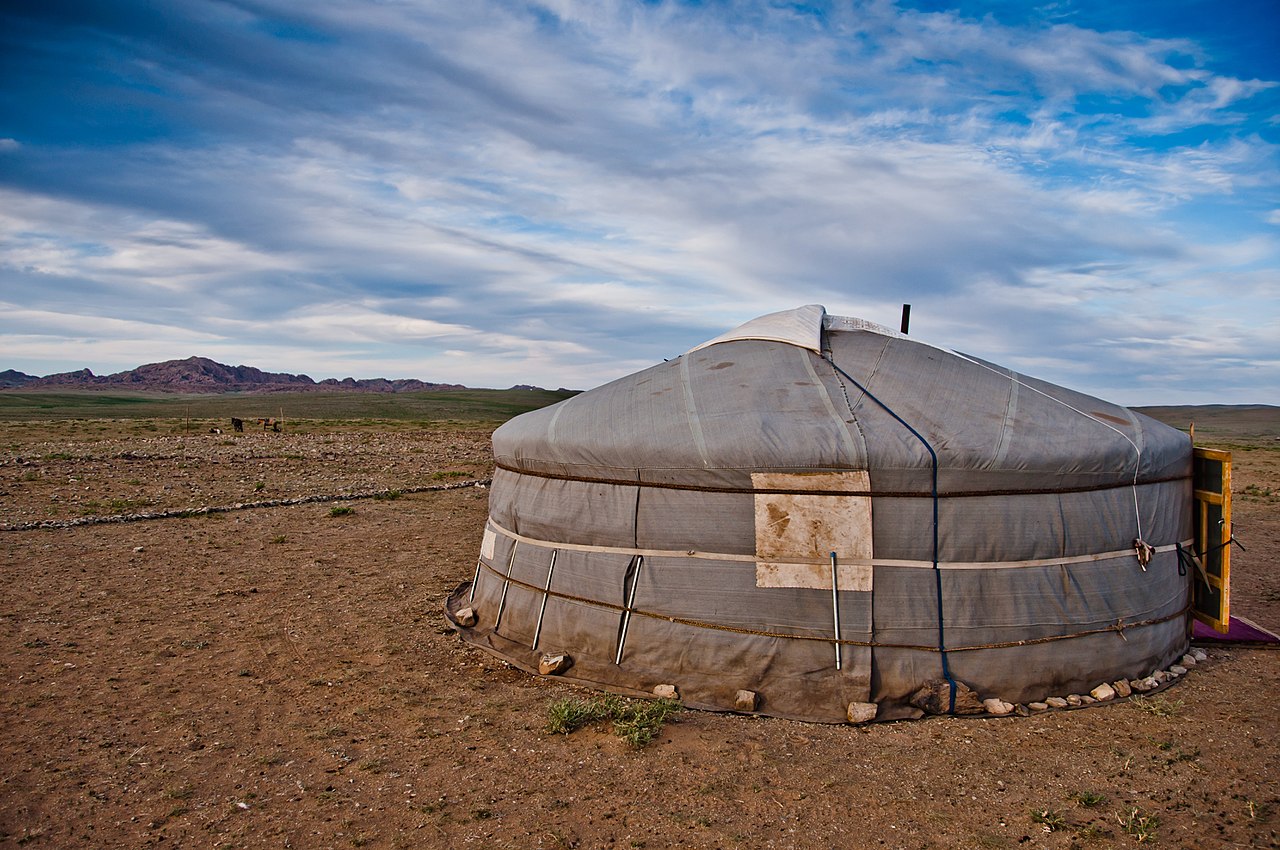
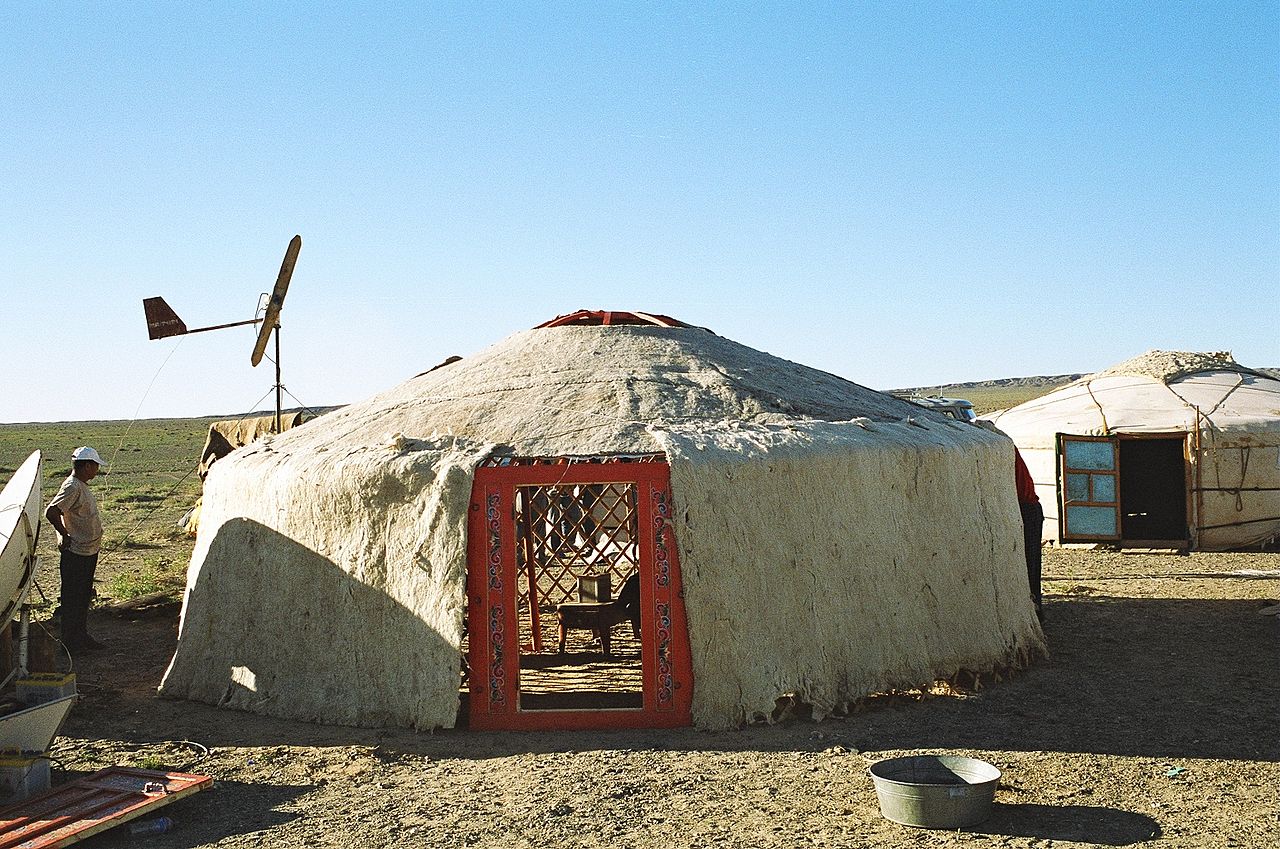
A yurt, known in Mongolian as a ger, is a circular, collapsible dwelling designed for mobility and resilience. Built from a wooden lattice framework and covered with layers of felt or canvas, yurts provide insulated shelter suitable for harsh continental climates. Their shape and construction promote stability in wind and efficient use of interior space, while allowing quick assembly and disassembly for seasonal movement.
Image gallery
10 Images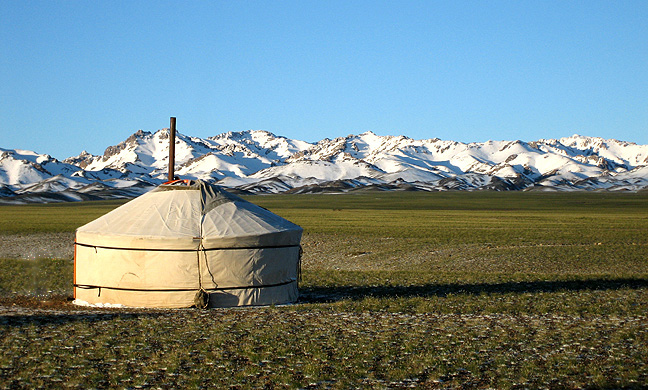





Structure and components
A traditional yurt consists of a ring-shaped crown at the top, called a toono in Mongolian, connected to rafters (uni) that rest on a lattice wall (khana). The walls and roof are wrapped with wool felt for insulation and sometimes outer fabric for weatherproofing. The entrance often faces south for sunlight and to avoid prevailing winds. Modern variations may add wooden floors, glass windows, and stoves for year-round habitation.
Origins and historical context
Yurts developed over centuries across the Eurasian steppe, a territory often referred to as the grasslands of Central Asia. Their portability matched nomadic pastoral economies, enabling families to move herds between seasonal pastures. Archaeological and historical records connect yurt-like structures to Turkic and Mongolic peoples and to trade and migration patterns across the steppe.
Uses and cultural importance
Beyond shelter, yurts function as social and ceremonial spaces. Interior layout often reflects cultural practices: a hearth at the center or slightly offset, designated areas for guests and family, and symbolic decoration on textiles. In Mongolia, the yurt remains central to identity and communal life, hosting festivals, rituals, and daily activities.
Modern adaptations and global interest
In recent decades, designers and ecotourism operators worldwide have adapted the yurt for glamping, studios, classrooms, and emergency housing. Contemporary materials—insulated fabric, metal frames, and portable stoves—make them more durable and easier to maintain while preserving the traditional circular plan and efficient thermal properties.
Distinctive features and notable facts
- Portability: Designed for frequent assembly and transport.
- Insulation: Felt made from sheep’s wool provides excellent thermal regulation.
- Cultural symbolism: The central crown often represents the sky or a cosmological axis.
- Contemporary use: Adopted worldwide for eco-friendly, low-impact dwellings.
For further reading about traditional construction or modern adaptations, see resources on nomadic housing and ethnographic studies of the steppe cultures.
Questions and answers
Q: What is a yurt?
A: A yurt is a round, portable tent covered with skins or felt.
Q: What is another name for a yurt?
A: Another name for a yurt is a ger, which comes from the Mongolian language.
Q: Where is a yurt commonly used as a dwelling?
A: A yurt is commonly used as a dwelling by nomads in the grasslands of Central Asia.
Q: What is the covering material of a yurt?
A: The covering material of a yurt is skins or felt.
Q: What is the shape of a yurt?
A: The shape of a yurt is round.
Q: What is the main purpose of a yurt?
A: The main purpose of a yurt is to serve as a dwelling for nomads.
Q: What is the origin of the yurt?
A: The yurt originated in Central Asia, where it has been used by nomadic people for centuries.
Related articles
Author
AlegsaOnline.com Yurt: Traditional Portable Dwelling of Central Asian Nomads Leandro Alegsa
URL: https://en.alegsaonline.com/art/110250