
Battery Park City: Manhattan's Planned Waterfront Neighborhood
Battery Park City is a 92‑acre planned neighborhood on Manhattan’s southwestern tip, built on reclaimed land and managed by the Battery Park City Authority. This article covers its origins, design, uses, and governance.
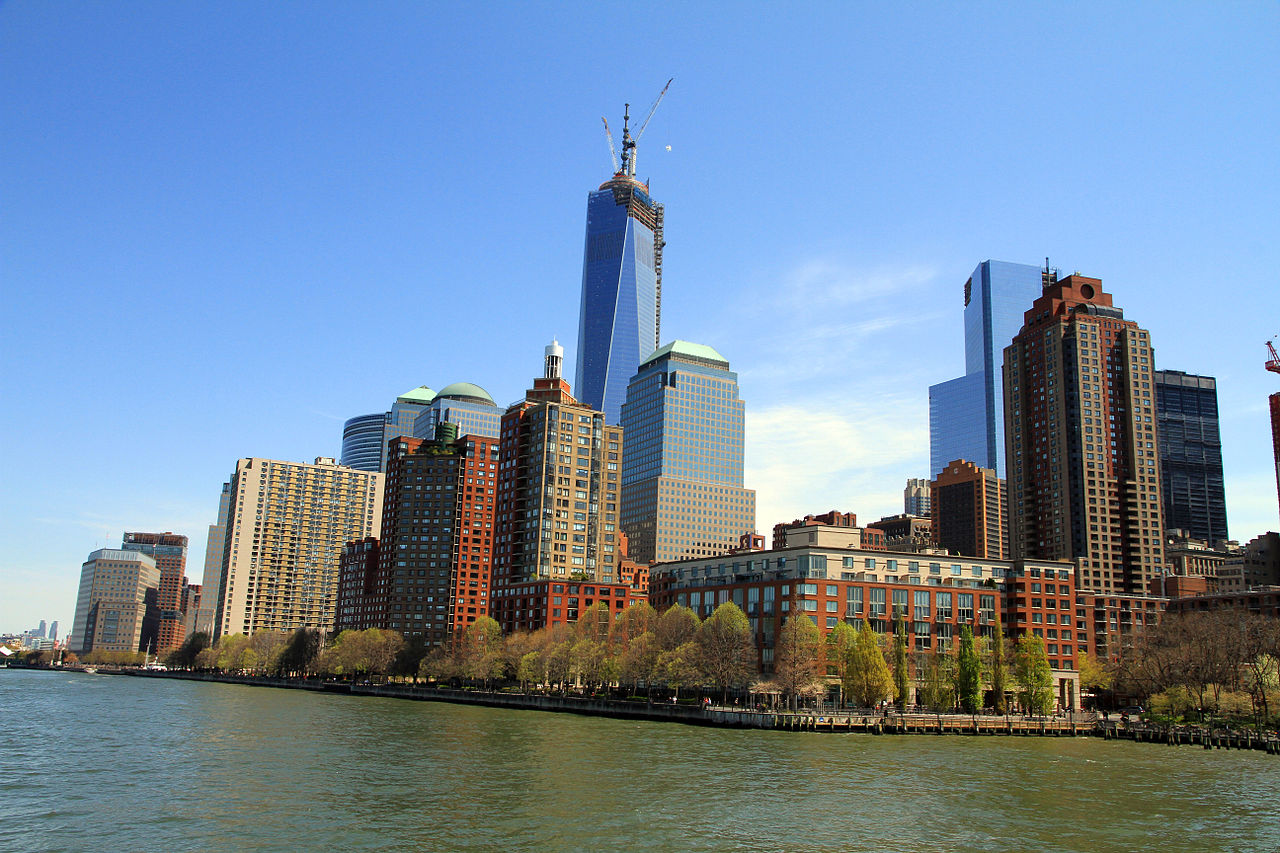
Battery Park City is a 92‑acre planned community situated at the southwestern tip of Lower Manhattan. It occupies landfill at the edge of the Hudson River and forms part of modern New York City in the United States. The neighborhood combines high‑rise residential towers, commercial buildings, parks and a continuous waterfront esplanade. Its name refers to the adjacent public space known as Battery Park, which sits immediately to the south.
Image gallery
10 Images


How the neighborhood was created
The neighborhood was constructed on land created by placing fill along the riverfront. Much of this material came from the excavation of the original World Trade Center site and from sand and rock dredged from New York Harbor near Staten Island. This engineered shoreline enabled a large mixed‑use district to rise where open water had existed, allowing planners and developers to design a continuous waterfront promenade and setbacks for public open space.
Design, public space and amenities
Battery Park City was conceived as a mix of residences, offices, shops and recreation. Its public features include a long esplanade along the river, several pocket parks, tree‑lined streets and a marina. Notable cultural and civic elements have appeared within the district, such as memorials, small museums and landscaped open areas that are used for recreation and events. Many newer projects in the area have emphasized sustainability and waterfront resilience in their design.
Governance and purpose
The area is owned and administered by the Battery Park City Authority (BPCA), a public‑benefit corporation created by New York State and originally associated with the Urban Development Corporation. Early leadership included Charles J. Urstadt, who helped oversee the authority’s formation and early operations; his role in development is part of the neighborhood’s administrative history. Revenues from ground leases and commercial activity in the district were intended to support other public housing efforts elsewhere in the city, including projects in neighborhoods such as the Bronx and Harlem.
History and evolution
Development began in the late 20th century and proceeded in phases that reflected changing market demands and public policy. The district’s proximity to the World Trade Center site influenced both its economy and appearance; the area was affected by events and reconstruction efforts tied to Lower Manhattan. Over time, the neighborhood's mix of ownership types — condominiums, cooperatives, rentals and commercial leases — has made it a predominantly residential waterfront enclave with a significant amount of office and retail floor space.
Access, significance and notable facts
- Transit and access: Battery Park City is linked to the rest of Manhattan by nearby subway and commuter services, and pedestrian connections to the World Trade Center area enhance access for commuters and visitors.
- Waterfront management: The constructed shoreline and public esplanade create continuous public access to the riverfront while requiring ongoing maintenance and attention to coastal storm risks.
- Local landmarks and services: The neighborhood includes office complexes, retail centers and recreational facilities; its waterfront position makes it a distinctive example of large‑scale reclaimed land used for integrated urban development.
For further reading on planning documents, community programs, or specific building projects, see official and archival sources maintained by city and state agencies and the authority that administers the district. Relevant institutional records and planning reports reflect how the neighborhood’s financing, design and public missions were developed and continue to evolve today. Additional context about Lower Manhattan, the Hudson waterfront and related New York City projects is available through municipal archives and historical studies.
Related topics and resources: Lower Manhattan, New York City, United States, Hudson River, World Trade Center, New York Harbor, Staten Island, Charles J. Urstadt, Bronx and Harlem.
Related articles
Author
AlegsaOnline.com Battery Park City: Manhattan's Planned Waterfront Neighborhood Leandro Alegsa
URL: https://en.alegsaonline.com/art/9410