
Lower Manhattan (Downtown Manhattan)
Lower Manhattan is the southernmost part of Manhattan in New York City, a historic, commercial and cultural district that includes the Financial District, diverse neighborhoods, major transport hubs and waterfronts.
Overview
Lower Manhattan, often called downtown, occupies the southern tip of the island of Manhattan and forms one of the oldest and most intensively developed parts of New York City. The name "downtown" is used both to describe this geographic area and, in everyday speech, to refer to the compact business core that includes Wall Street and major corporate and civic institutions. The district combines offices, courts and exchanges with residential neighborhoods, cultural venues, parks and active waterfronts.
Image gallery
10 Images





Geography and boundaries
Commonly, Lower Manhattan is defined as the part of the island south of 14th Street, bounded by the Hudson River on the west, the East River on the east, and New York Harbor or Upper New York Bay to the south. When people refer specifically to the financial or governmental core, northern limits are often drawn nearer to Chambers Street or Canal Street, and sometimes as far north as 23rd Street depending on context. The street pattern is older and more irregular than midtown, reflecting colonial-era lots and early growth.
Neighborhoods and notable sites
Lower Manhattan contains many distinct neighborhoods and landmarks. Prominent areas include:
- Financial District — the historic commercial center centered on Wall Street, home to major exchanges, banks and corporate headquarters.
- Tribeca, SoHo and parts of Greenwich — former industrial areas transformed into mixed residential, arts and commercial districts known for loft conversions and galleries.
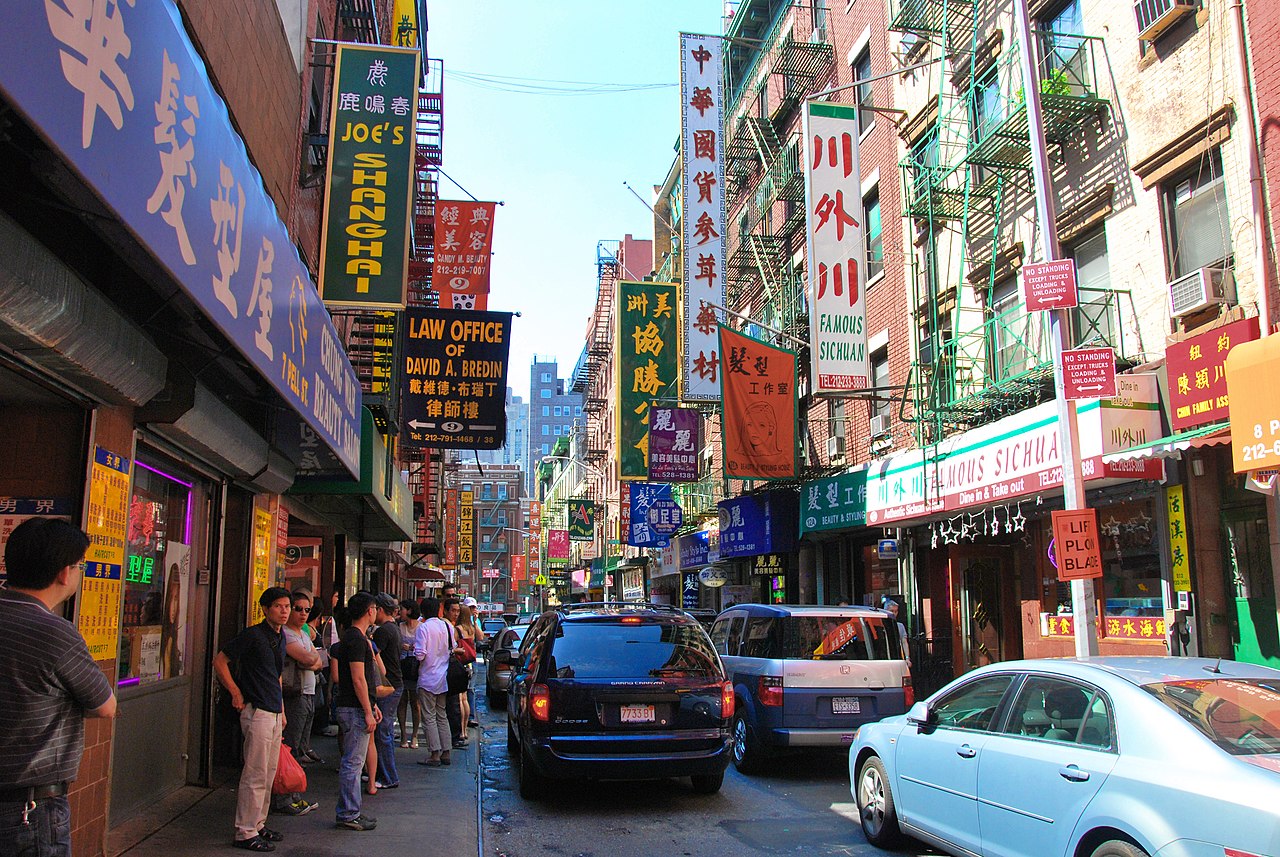
- Chinatown and the Lower East Side — neighborhoods with long immigrant histories, notable markets, restaurants and cultural institutions.
- Battery Park and the waterfront — open spaces, ferry terminals and promenades with views toward the harbor and the Statue of Liberty.
Iconic connections include the Brooklyn Bridge, which links Lower Manhattan to Brooklyn, and numerous ferry routes that serve Manhattan, Brooklyn, Staten Island and New Jersey. Local bridges, tunnels and highways also converge here, making the area a major transport hub.
History and urban development
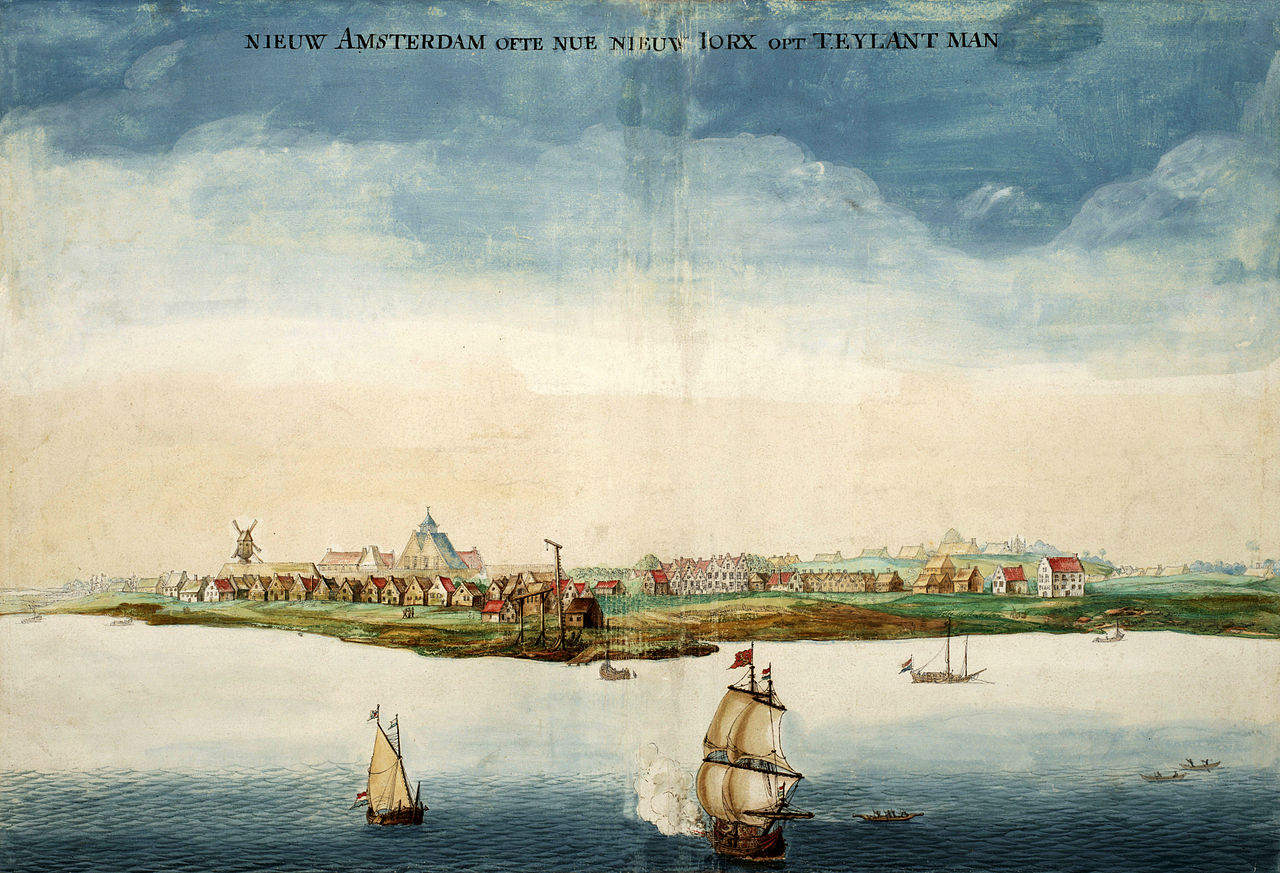
As the oldest continuously settled part of the island, Lower Manhattan grew from the Dutch settlement of New Amsterdam into a colonial port, and later into a national and international financial center. Its urban fabric preserves traces of colonial lots, nineteenth-century commercial blocks, and twentieth-century high-rise development. The district has experienced episodes of rapid change and recovery; notably, the attacks on the World Trade Center in 2001 resulted in a large reconstruction and memorial effort, while major storms have prompted investment in shoreline resilience.
Economy and institutions
Lower Manhattan remains a global financial center, but its economy is diverse: alongside financial services are law firms, government offices, cultural institutions, tech and media companies, hotels and a growing residential population. Important civic and federal buildings, courthouses and municipal agencies contribute to the area's institutional role. Museums, performance spaces and public art add to its cultural profile.
Transport, infrastructure and resilience
Transport infrastructure is a defining characteristic of the area: numerous subway lines and intermodal stations serve commuters, while ferries connect to other boroughs and neighboring states. The district's low-lying shoreline makes it vulnerable to coastal flooding and storm surge; efforts to strengthen waterfront defenses and adapt infrastructure have been major planning priorities following events such as major coastal storms.
Civic life, tourism and public spaces
Tourists and residents alike visit Lower Manhattan for its historic sites, memorials, culinary scenes and waterfront parks. Battery Park, pedestrianized streets, and plazas near transit hubs provide public space in a densely built environment. The mix of office activity, neighborhoods and cultural venues creates a varied day-and-night economy.
Further reading and resources
For orientation and more detailed information, consult municipal and planning resources or focused entries on related topics such as Manhattan, New York City neighborhoods, the notion of downtown, the Hudson River, the East River, Upper New York Bay, the history of Wall Street, and engineering and design of crossings such as the Brooklyn Bridge.
Related articles
Author
AlegsaOnline.com Lower Manhattan (Downtown Manhattan) Leandro Alegsa
URL: https://en.alegsaonline.com/art/59603