
Woodstock '99: 1999 Reunion Festival, Controversy and Legacy
Woodstock '99 was a large 30th‑anniversary music festival held in Rome, New York. Intended as a revival of the Woodstock brand, it became notorious for heat, overcrowding, poor conditions, violence and lasting criticism.
Overview
Woodstock '99 was staged in late July 1999 as a large music festival promoted as a revival of the original 1969 event. Organizers billed it as a 30th‑anniversary celebration and assembled a lineup of contemporary rock, metal, rap and alternative artists. The gathering drew hundreds of thousands of people to a former military air base near Rome, New York, but it is now best remembered for a series of logistical failures and incidents that overshadowed the performances.
For context and a broader discussion of the festival's place in the Woodstock franchise, see festival background and the earlier revival attempt Woodstock '94. The original 1969 event remains a cultural reference point for comparison: original Woodstock.
Image gallery
3 Images

Site, planning and conditions
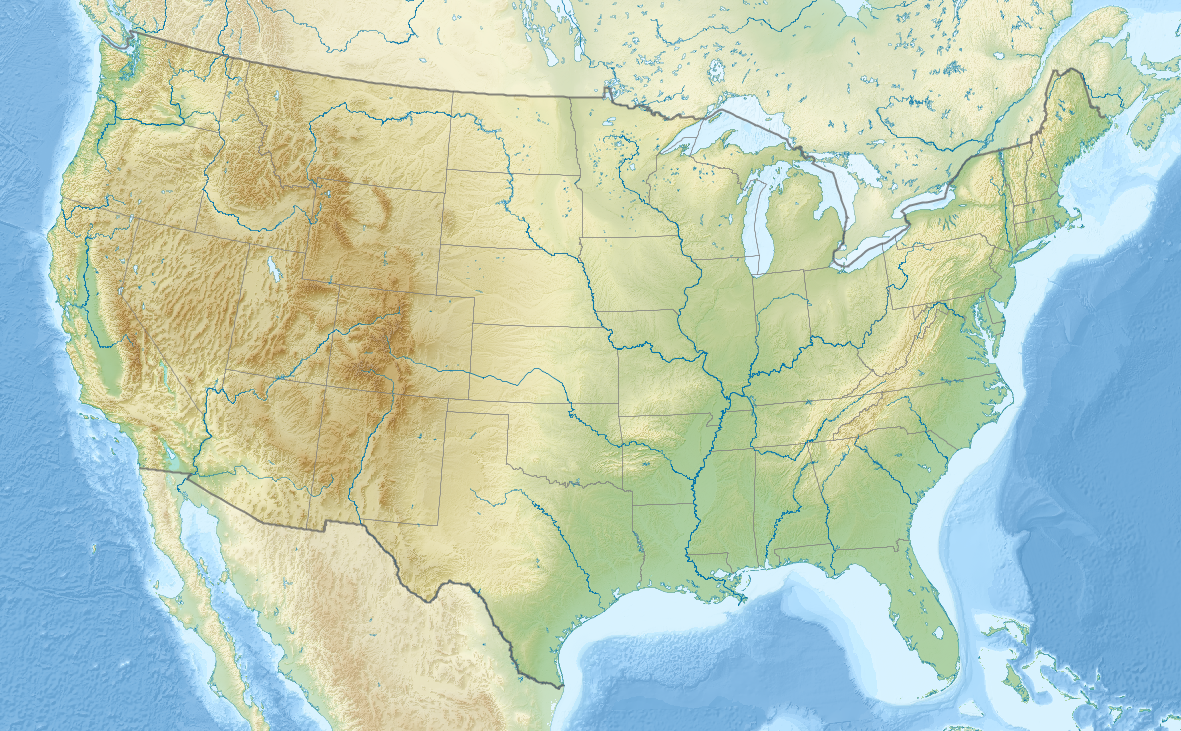
Promoters selected Griffiss Air Force Base, an open, paved former airfield, as the site. The location offered large flat areas for stages and camping but little natural shade. Attendees and reporters described prolonged, intense heat and reflected sun from concrete and asphalt. Local information and weather summaries are available at site details and contemporaneous weather reports. High temperatures, limited shade and long queues contributed to dehydration and discomfort; some reports noted how heat worsened crowd tensions (heat analysis).
Problems that emerged
A combination of design choices and operational decisions produced widespread criticism. Vendors inside the fenced event sold food and bottled drinks at prices that many called excessive; attendees reported paying high sums for basic items, which increased frustration. Sanitation infrastructure struggled to keep pace with large crowds: many portable toilets and waste facilities became unusable over time.
- Pricing and access: restrictions on bringing food and drink into the site and expensive on‑site prices.
- Sanitation and medical strain: insufficient toilets and stretched medical services.
- Heat and environment: lack of shade and heat radiating from paved surfaces.
- Security and crowd control: overwhelmed staff and failures to prevent or contain outbreaks of violence.
Incidents and atmosphere
The festival atmosphere grew volatile during the weekend. Several performances coincided with destructive acts, and at least one high‑profile band’s set became associated with crowd damage and rioting. Audiences were reported to have torn plywood from structures, set fires in trash and, in one instance, repurposed candles intended for a vigil into a combustible pile; that episode is discussed in contemporary reports (structural damage, performance-related unrest and candle incident). Emergency responders and local authorities logged incidents of assault and theft; media accounts also criticized how some crimes were handled amid the chaos.
Aftermath and legacy
Coverage of Woodstock '99 in newspapers, television and later documentaries focused less on the music than on the failures and the violence. The event prompted legal actions, criticism of festival promotion practices and discussions about crowd management, alcohol policies and the responsibilities of organizers. In cultural terms, Woodstock '99 is frequently cited as a cautionary example of how large events can deteriorate without adequate planning and appropriate on‑site conditions.
Notable distinctions and lessons
Woodstock '99 stands out among festival revivals for how quickly its operational shortcomings defined its legacy. Organizers, artists and venue managers studying large outdoor events often reference the festival when planning safety protocols, offering lessons about adequate water and shade, pricing, sanitation, security staffing and emergency medical capacity. For a summary of follow-up reporting and reforms influenced by Woodstock '99, consult festival background and regional coverage at site details.
The event remains a subject of analysis for historians of music and popular culture: its lineup and ambition reflected late‑1990s popular music trends, while the breakdowns in infrastructure and crowd behavior produced a cautionary tale about scale, commercialization and event management.
Questions and answers
Q: What was Woodstock '99?
A: Woodstock '99 was a music festival held in Rome, New York in July 1999.
Q: How was Woodstock '99 different from the original Woodstock and Woodstock '94?
A: Unlike the previous Woodstock events, Woodstock '99 had several problems, including extreme heat, limited access to food and drink, limited restroom facilities, and widespread violence.
Q: Where was Woodstock '99 held?
A: Woodstock '99 was held in Rome, New York, which was 200 miles (320 kilometers) from the original Woodstock event.
Q: What were some of the problems that occurred at Woodstock '99?
A: Some of the problems that occurred at Woodstock '99 included extreme heat, limited access to food and drink, limited restroom facilities, and widespread violence.
Q: What was the cost of a single slice of pizza at Woodstock '99?
A: A single slice of pizza at Woodstock '99 cost $12.
Q: What was the cost of a 590ml bottle of water at Woodstock '99?
A: A 590ml bottle of water at Woodstock '99 cost $4.
Q: What was the audience's reaction to the candles handed out for the candlelight vigil at Woodstock '99?
A: The audience at Woodstock '99 did not use the candles for their intended purpose; instead, they used them as a bonfire and threw water bottles at it to keep it burning longer.
Related articles
Author
AlegsaOnline.com Woodstock '99: 1999 Reunion Festival, Controversy and Legacy Leandro Alegsa
URL: https://en.alegsaonline.com/art/108976