
Candlelight vigil: purpose, rituals, and history
A candlelight vigil is a public or private gathering using candles and silence to mourn, remember, or show solidarity. This article explains typical elements, origins, uses, and practical considerations.
Overview
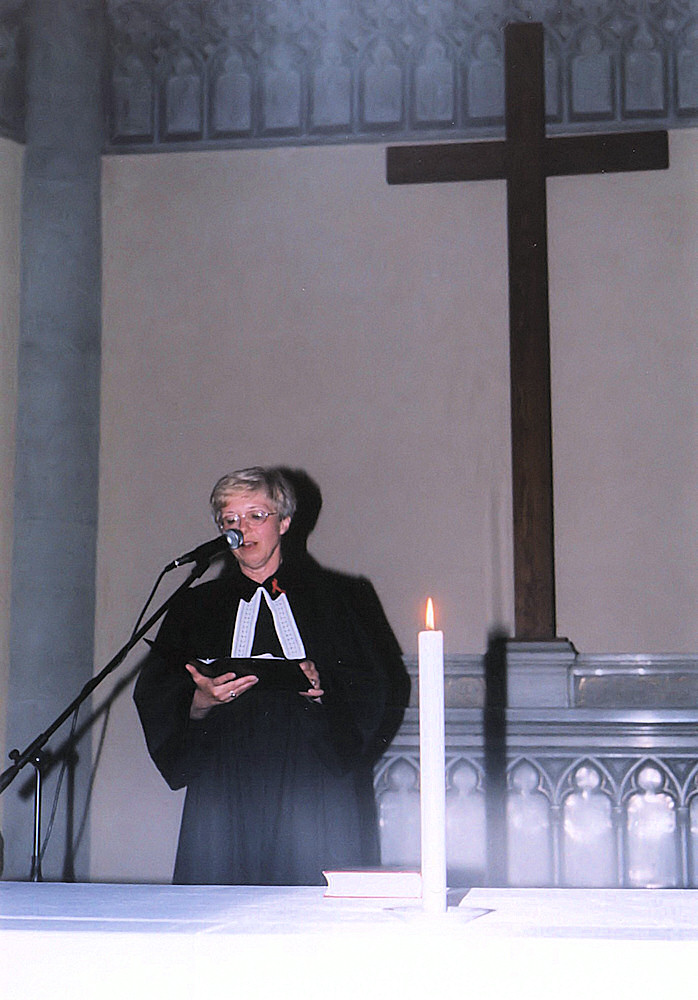
A candlelight vigil is a gathering of people who use the light of candles to honor, remember, mourn, or express solidarity. Vigils are often held outdoors near sunset or after dark so the visual effect of the candles is more pronounced. They can be brief and solemn or may include speeches, prayers, music, and moments of silence.
Image gallery
9 Images



Common elements and structure
Rituals vary by culture and purpose, but many vigils share similar features:
- Candles: real or battery-powered candles symbolize remembrance, life, or hope.
- Silence: a period of quiet reflection, often observed together.
- Speeches or readings: short testimonies, poems, or prayers from family members or organizers.
- Gathering time: typically held at twilight or in the evening for visual impact and privacy.
History and origins
The word "vigil" comes from Latin vigilia, meaning "watch". Historically, vigils were religious watches kept before important days; over time the practice expanded into secular and civic contexts. Modern candlelight vigils emerged as a way for communities to visibly mourn, demand justice, or demonstrate unity without formal rituals of a funeral.
Uses, variations, and etiquette
Vigils are used to commemorate a death, support victims, mark anniversaries, or protest tragedy nonviolently. Etiquette is generally respectful: arrive quietly, follow organizers' instructions, refrain from disruptive behavior, and observe local safety rules. Many organizers recommend LED candles to reduce fire risk and simplify cleanup.
For guidance on planning, legal considerations, or finding an event near you, consult local resources or community groups. See additional information for further reading and support.
Related articles
Author
AlegsaOnline.com Candlelight vigil: purpose, rituals, and history Leandro Alegsa
URL: https://en.alegsaonline.com/art/16524
Sources
- amsa.org : American Medical Students Association, Planning Candle Light Vigils
- ireport.com : "Example Candle Light Vigil for the Little Ambassador"