
Woodstock '94 — 25th‑anniversary music festival
A three‑day rock festival held in August 1994 in Saugerties, New York, organized to mark the 25th anniversary of Woodstock (1969); remembered for rain, mud and a mixed lineup of classic and contemporary acts.
Overview
Woodstock '94 was a commemorative music festival held in August 1994 to mark the 25th anniversary of the original 1969 Woodstock event. It recreated the idea of a large, multi‑stage outdoor gathering and combined legacy performers with contemporary rock and alternative bands. For a general event summary see Woodstock '94 overview.
Image gallery
3 Images

Dates, site and scale
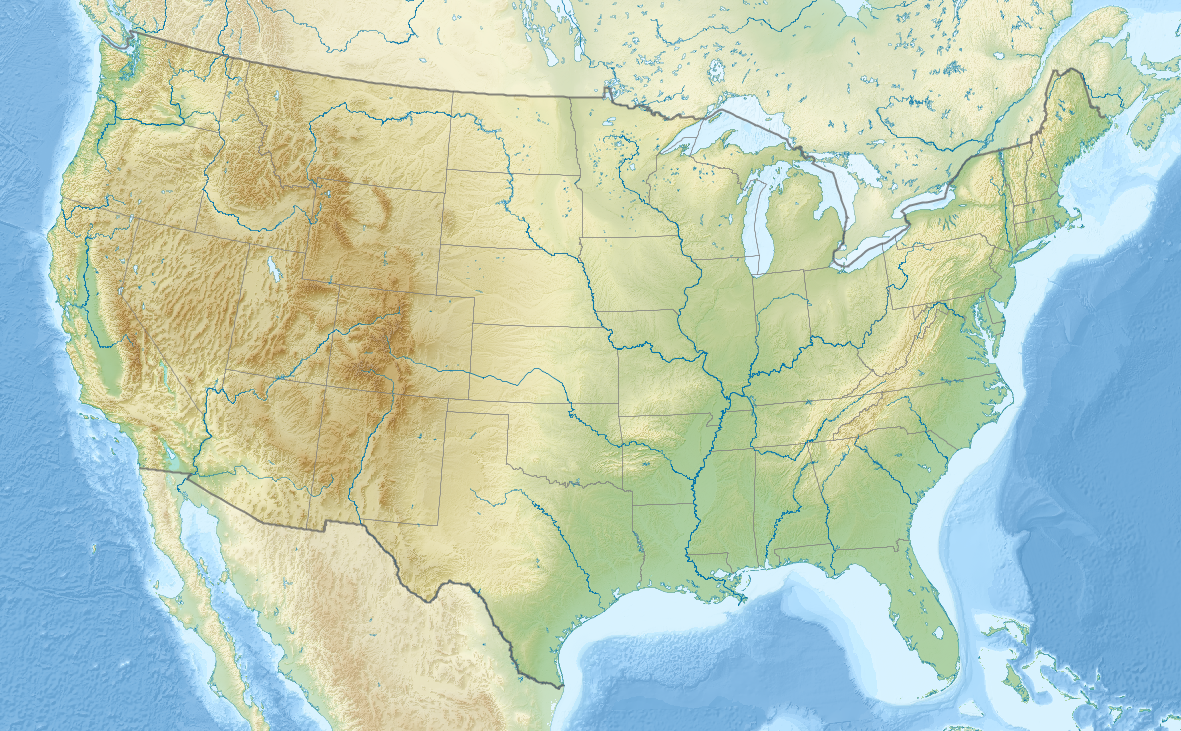
The festival took place on the weekend of August 12–14, 1994. Organizers initially scheduled two days but added a third day after planning developed. The site was a large field in Saugerties in Ulster County, New York; local and regional infrastructure was adapted to handle the crowd. Attendance estimates varied: organizers reported roughly half a million attendees while independent counts and later sources cited lower or differing figures. Event scheduling and performer lineups are summarized in contemporary programs and archives (concert schedule and details).
Music, stages and atmosphere
Woodstock '94 presented multiple stages hosting a mix of classic rock artists and 1990s alternative, punk and grunge acts. The juxtaposition of older, well‑known performers with newer bands reflected the music scene of the early 1990s. Audience reactions and particular sets—most famously an energetic, muddy performance that symbolized the festival's atmosphere—are frequently cited when discussing the event's cultural moments.
Weather, mud and logistics
Persistent rain over the weekend turned large portions of the festival grounds to mud, a factor that dominated press coverage and attendee memory. Photographs and reports from the weekend emphasize large crowds moving through wet, slippery conditions and improvisations in logistics, sanitation and traffic control. The rainy conditions contributed to the festival acquiring nicknames referencing the mud and affected both performer sets and audience behavior.
Legacy and reception
Reactions to Woodstock '94 were mixed. Some commentators praised the successful staging of a large, multigenre festival that bridged generations; others criticized its commercial aspects and the degree to which it differed from the countercultural image of 1969. The event is often discussed in histories of music festivals as an example of 1990s festival culture, and its practical lessons influenced later large outdoor events. For more on the Saugerties location and local context see Saugerties site information.
Notable features and context
- Commemorative intent: organized as a 25th‑anniversary event linking 1969 to 1994.
- Mud and weather: rainy conditions became a defining characteristic of the weekend.
- Mixed lineup: combined veteran performers with contemporary 1990s acts.
- Practical impact: provided experience for large‑scale festival planning in the modern era.
Woodstock '94 remains an often‑referenced chapter in the story of popular music festivals, notable both for its efforts to honor a famous predecessor and for illustrating how large outdoor events evolved in the late 20th century.
Related articles
Author
AlegsaOnline.com Woodstock '94 — 25th‑anniversary music festival Leandro Alegsa
URL: https://en.alegsaonline.com/art/108975
Sources
- web.archive.org : "Getting Back to the Garden"