
Wood frog (Rana sylvatica): description, habitat, and life cycle
The wood frog (Rana sylvatica) is a widespread North American amphibian known for its early spring breeding and exceptional tolerance of freezing during winter.
Overview
The wood frog (Rana sylvatica) is a common member of the true frog family (Ranidae) and an unmistakable part of many forest ecosystems in North America. It is often cited in field guides and regional lists as a typical amphibian and is recognized by some jurisdictions as a state symbol, for example the state amphibian of New York (New York).
Image gallery
10 Images





Identification and life cycle
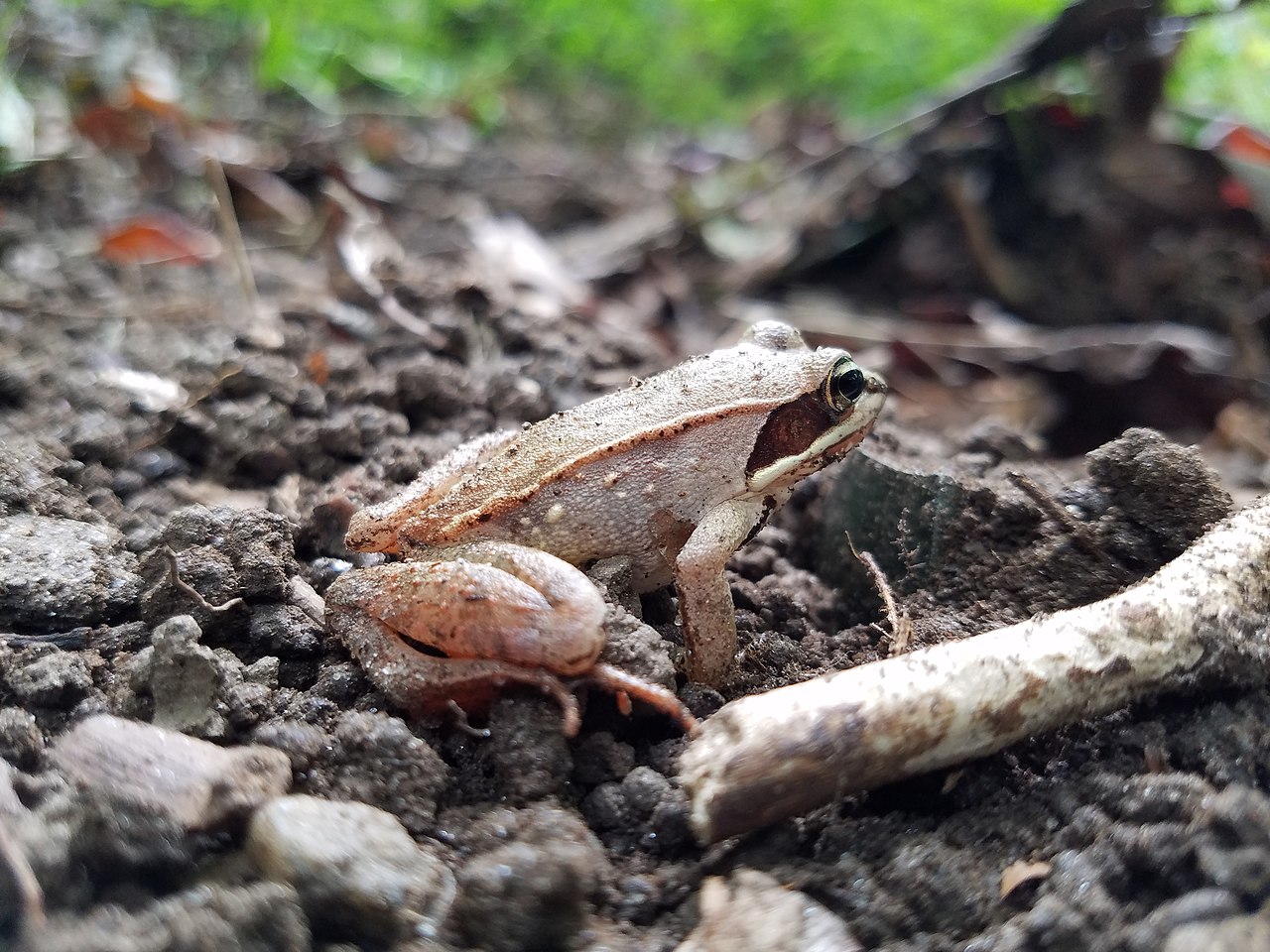
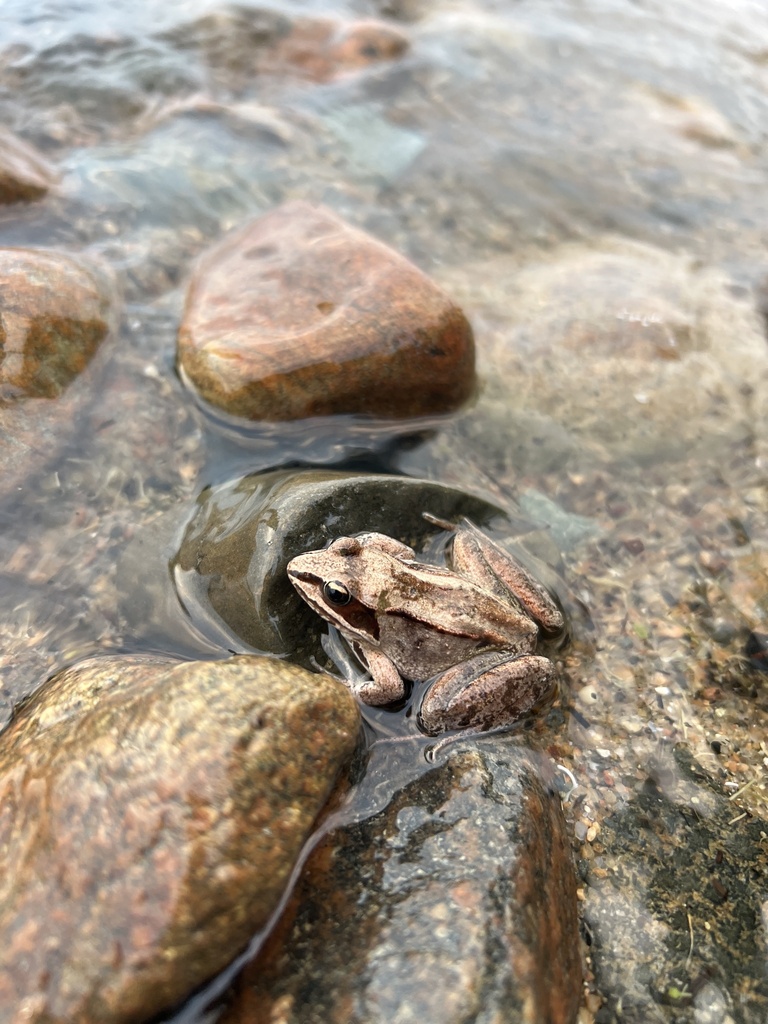
Adults are medium-sized frogs with a distinctive dark eye stripe and variable brown, tan or rust coloring that helps them blend into leaf litter. In early spring, often immediately after snowmelt, wood frogs enter vernal pools to breed in explosive breeding events. Females deposit globular egg masses attached to submerged vegetation; tadpoles develop in the pools before metamorphosing into terrestrial juveniles.
Freeze tolerance and overwintering
Wood frogs are notable for their ability to survive freezing temperatures. During hibernation in winter, many individuals tolerate the formation of ice in body tissues by producing cryoprotectants such as glucose. Metabolic activity drops dramatically until temperatures rise again and normal functions resume.
Habitat, diet and ecology
They occupy a range of habitats from mixed and deciduous forests to bogs and temporary wetlands. Adults eat insects and other small invertebrates; tadpoles graze on algae and detritus. Predators include birds, snakes and small mammals, and wood frogs play a role in food webs and nutrient cycling.
Conservation and notable facts
Across much of its range the species is relatively common, though local populations face threats from habitat loss, road mortality and pollution. Taxonomically the species is usually listed as Rana sylvatica, though some sources use other genus placements. For further reading about classification and regional information see sources on amphibian biology and conservation (family Ranidae, amphibian resources).
- Quick facts: spring breeder, forest-dwelling, freeze-tolerant.
- See also: regional field guides and conservation portals (range, state symbolism).
For additional information and species accounts consult comprehensive amphibian references or local wildlife agencies (hibernation studies, winter ecology).
Related articles
Author
AlegsaOnline.com Wood frog (Rana sylvatica): description, habitat, and life cycle Leandro Alegsa
URL: https://en.alegsaonline.com/art/108912