
Woolly monkey
Woolly monkeys are large New World primates with thick fur and prehensile tails, native to Amazonian forests in South America; they are social, mainly frugivorous, and several species face conservation threats.
Overview — Woolly monkeys are New World primates known for their dense, wool-like fur and robust bodies. They belong to the family Atelidae, a group that also includes spider and howler monkeys. Although primarily arboreal, woolly monkeys are more likely to descend to the ground than many other canopy specialists and are notable for a deliberate, less acrobatic mode of locomotion.
Image gallery
10 Images

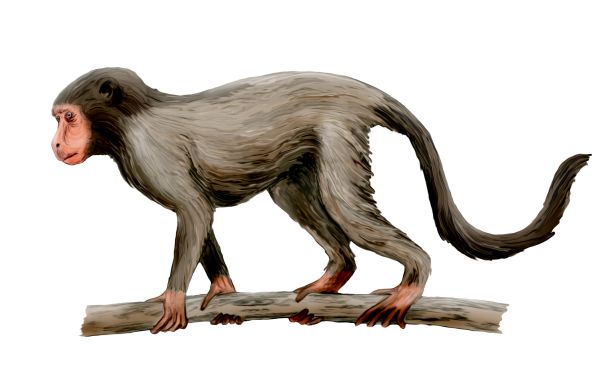

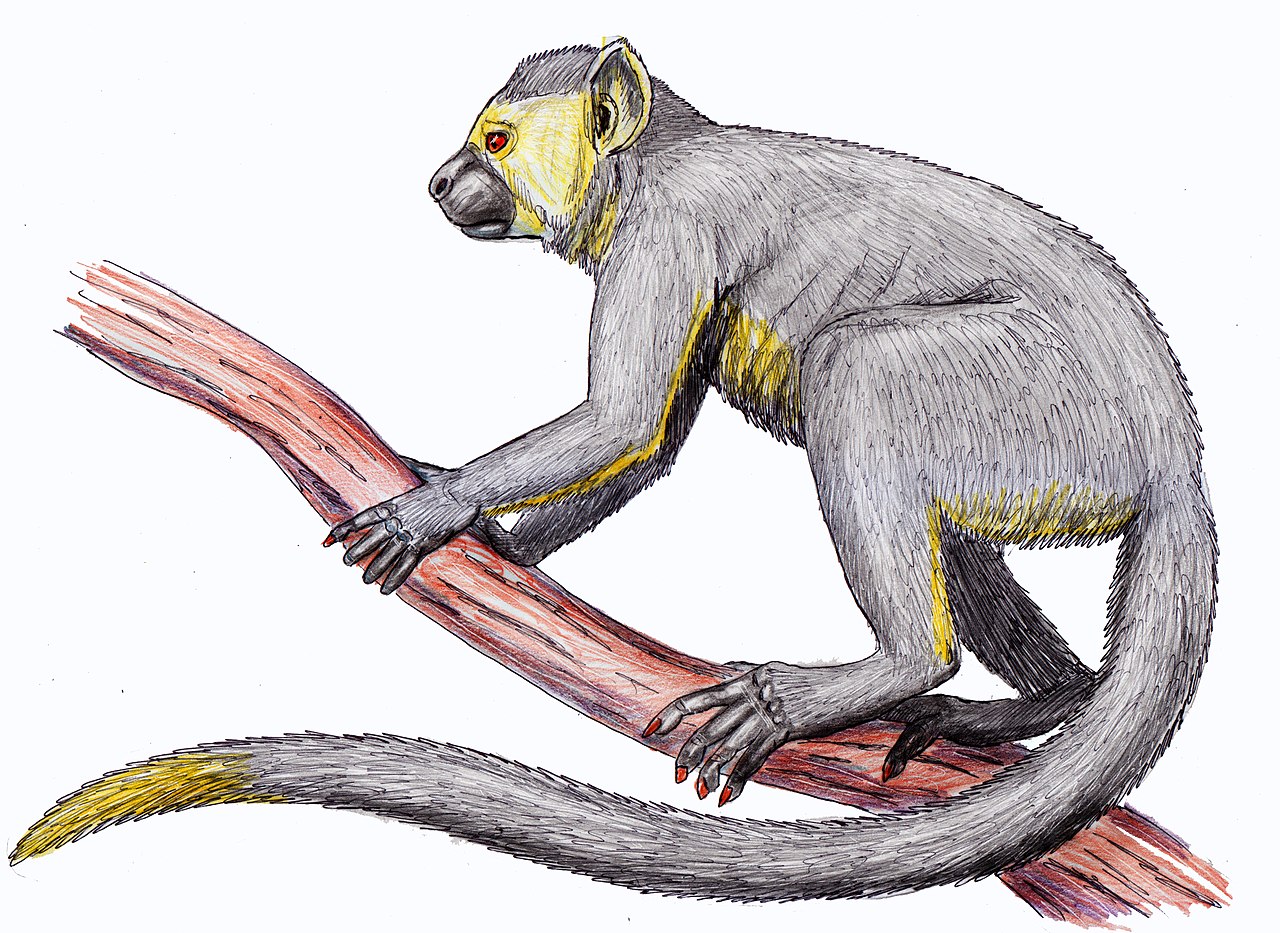



Characteristics
Woolly monkeys have a number of distinctive physical and behavioral traits that help them thrive in tropical forests. Key features include:
- Thick, insulating coat that gives them their common name.
- A long, muscular prehensile tail used as a fifth limb to grasp branches and stabilize movement.
- Sturdy limbs and a relatively slow, cautious gait compared with more acrobatic arboreal monkeys.
- Social structure based on multi-individual groups, with complex vocal and social interactions.
Habitat and distribution
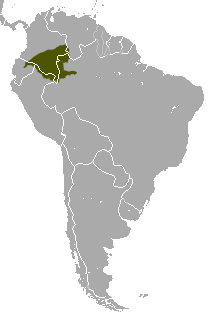
Woolly monkeys inhabit tropical rainforests across large parts of the Amazon basin and adjacent foothills. They are found in forested regions along the Amazon River and occur in several South American countries, including Colombia, Ecuador and Peru. Their preferred habitats are tall, continuous canopies where fruit trees and diverse vegetation support their largely frugivorous diet.
Behavior, diet and reproduction
Woolly monkeys are diurnal and primarily frugivorous, feeding on a variety of ripe fruits. They also eat leaves, seeds and small invertebrates when fruit is scarce. Groups typically consist of several to a few dozen individuals and show cooperative behaviors such as grooming and occasional coordinated movement. Reproduction follows a slow primate pattern: females usually bear a single offspring after a multi-month gestation period, and parental care is important for juvenile survival.
Conservation and notable facts
Several woolly monkey species are under pressure from habitat loss, fragmentation and hunting, and some are classified as threatened by conservation organizations. Habitat protection, anti‑hunting measures and research into population status are the main tools used to conserve them. Their combination of a prehensile tail, thick coat and social complexity makes woolly monkeys a distinctive and ecologically important component of Amazonian primate communities.
Questions and answers
Q: Why are woolly monkeys named as such?
A: Woolly monkeys are named for their thick woolly coats.
Q: Where are woolly monkeys found?
A: Woolly monkeys are found in forests along the Amazon River, and in Colombia, Ecuador and Peru.
Q: How are woolly monkeys different from other monkeys?
A: Unlike other monkeys, woolly monkeys are most likely to be found on the ground. They move much more slowly than other monkeys do, too.
Q: What type of monkeys are woolly monkeys?
A: Woolly monkeys are New World monkeys.
Q: What is the habitat of woolly monkeys?
A: Woolly monkeys are found in forests along the Amazon River, and in Colombia, Ecuador and Peru.
Q: How do woolly monkeys move compared to other monkeys?
A: Woolly monkeys move much more slowly than other monkeys.
Q: Why are woolly monkeys likely to be found on the ground?
A: Woolly monkeys are not skilled climbers and their slow movements on trees make them vulnerable to predators.
Related articles
Author
AlegsaOnline.com Woolly monkey Leandro Alegsa
URL: https://en.alegsaonline.com/art/109008