
Wood mouse (Apodemus sylvaticus)
A small wild rodent native to Europe and nearby regions, the wood mouse is a nocturnal, seed-eating mammal important as a seed disperser and prey species; common and not globally threatened.
Overview
The wood mouse (Apodemus sylvaticus) is a widespread small rodent found across much of Europe and into parts of North Africa and western Asia. Often called the long-tailed field mouse or common field mouse, it occupies woodlands, hedgerows, farmland margins and gardens. Its adaptability makes it one of the region's most familiar wild mice.
Image gallery
8 Images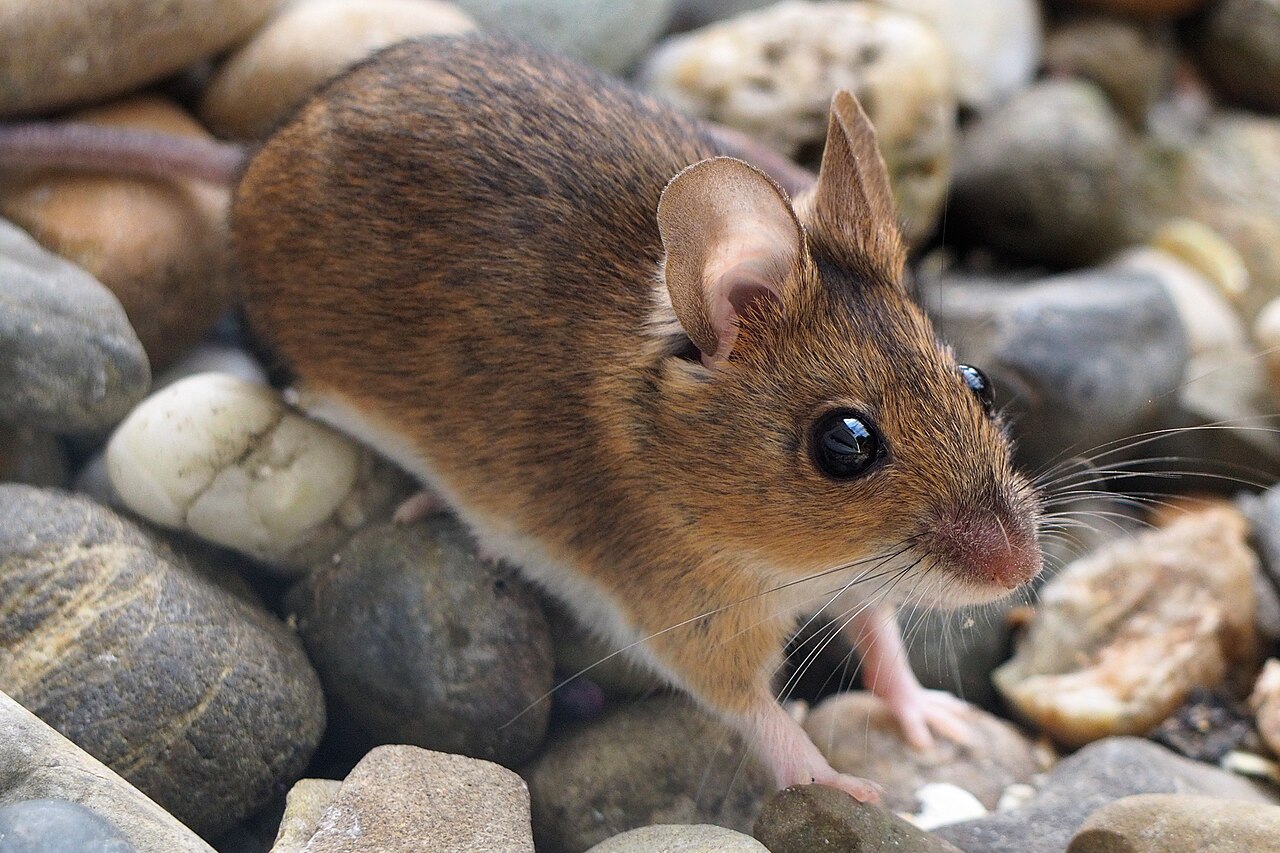




Description and distinguishing features
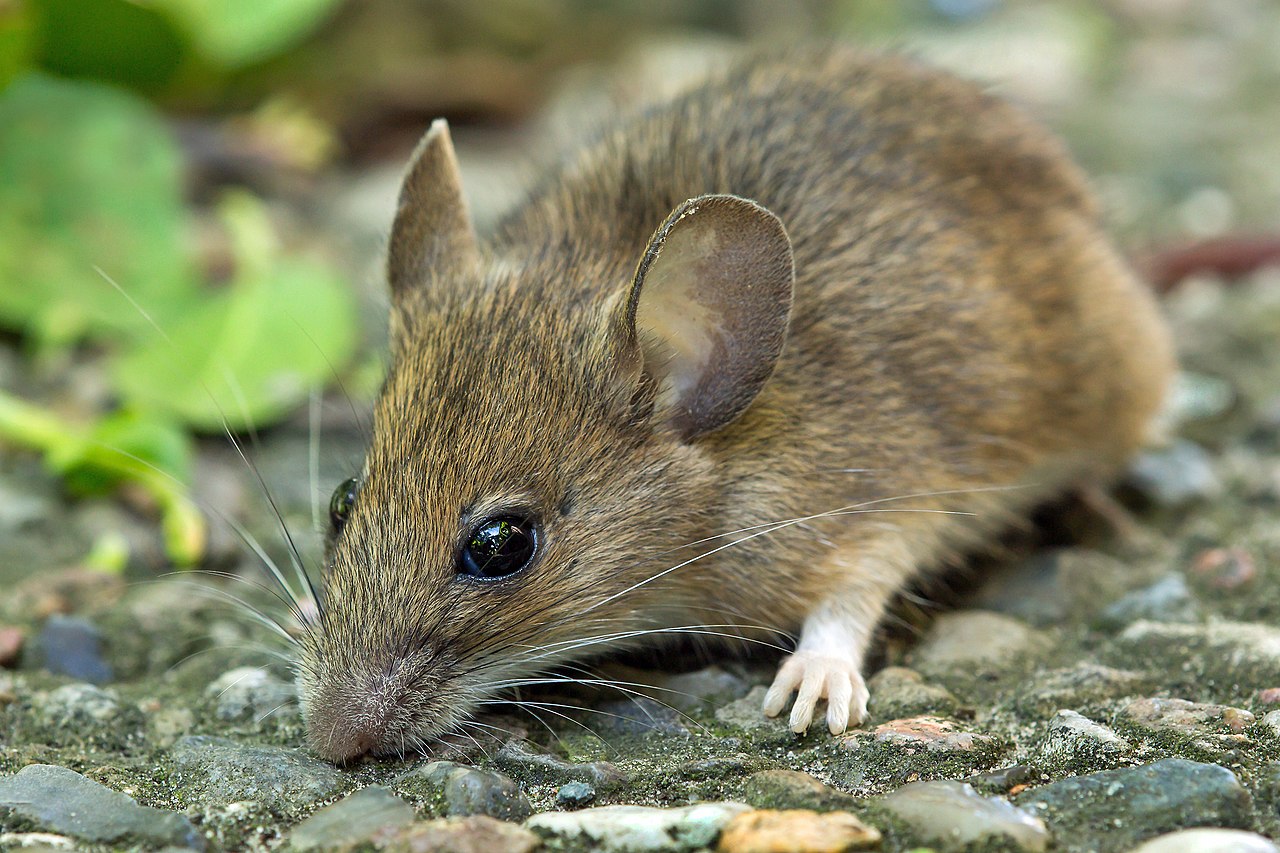
Wood mice have a slim build with relatively large eyes and ears and a tail that is usually as long as the body. The upper coat is typically reddish-brown while the underside is pale. Many individuals show a small pale patch on the chest. Key features used to tell wood mice apart from house mice include their larger eyes and ears, longer tail and more contrasting coloration.
Behavior and diet
Nocturnal and primarily terrestrial, wood mice are agile climbers and good jumpers. They have an opportunistic diet that includes seeds, nuts, fruits and a range of invertebrates. They are known to cache food, which can help with winter survival and contributes to seed dispersal and plant regeneration in their habitats.
Reproduction and lifecycle
Breeding can occur several times a year when conditions permit, producing multiple litters. Young mature quickly and become independent within weeks. Lifespan in the wild is short compared with larger mammals, largely because of predation.
Ecological role and human interaction
- Ecological role: important prey for owls, foxes, mustelids and other predators; contributors to seed dispersal.
- Human interaction: may enter buildings and stores of grain, but generally is not considered as commensal or invasive as the house mouse.
- Conservation: widespread and resilient; usually assessed as not threatened on broad conservation lists.
Notable facts
Because of its visibility and abundance, the wood mouse is commonly studied in ecology and behavior. Its adaptability to diverse habitats and its role in food webs make it an important species for understanding temperate ecosystems.
Related articles
Author
AlegsaOnline.com Wood mouse (Apodemus sylvaticus) Leandro Alegsa
URL: https://en.alegsaonline.com/art/108916