
Woolly mammoth (Mammuthus primigenius) — Ice Age elephant
Extinct Ice Age elephant adapted to cold steppe‑tundra. Known from bones and frozen carcasses across northern Eurasia and North America; hunted by humans and studied through paleontology and ancient DNA.
Overview
The woolly mammoth (Mammuthus primigenius) was a cold‑adapted elephant that inhabited the northern continents during the Pleistocene ice ages. It is among the best known prehistoric mammals because of abundant bones, tusks and several exceptionally preserved frozen carcasses recovered from permafrost. These remains show an animal adapted to open, cold steppe‑tundra environments and illustrate how megafauna coped with long, harsh winters.
Image gallery
10 Images






Physical characteristics
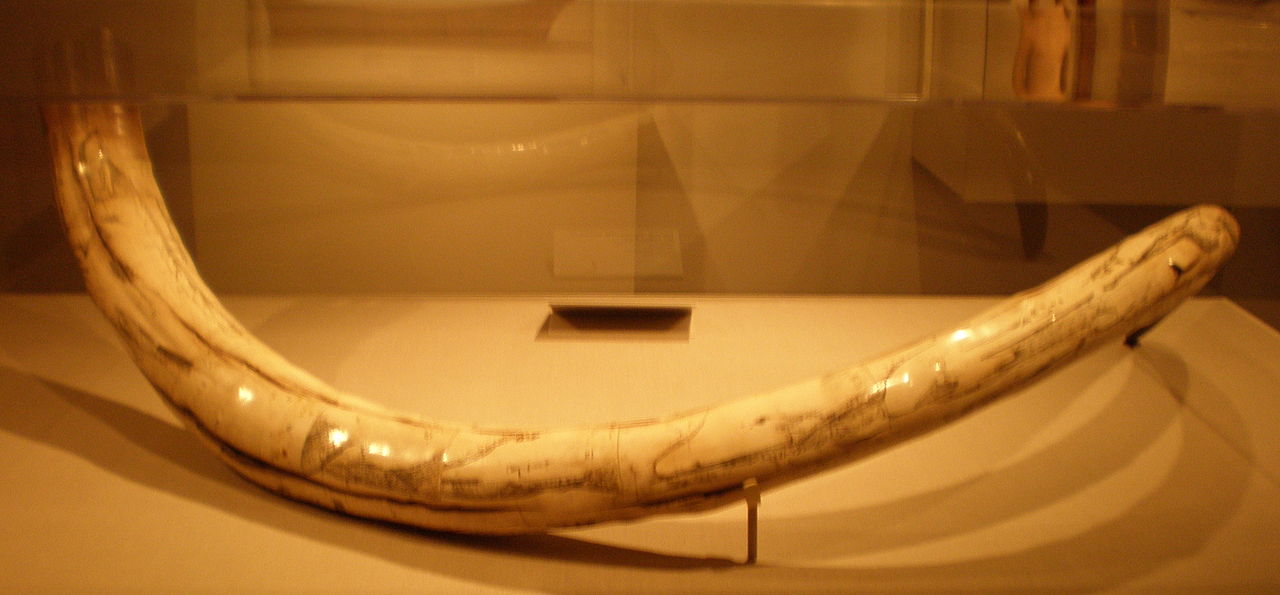
Woolly mammoths combined a thick, shaggy outer coat with a dense underfur and a substantial fat layer to conserve heat. Their most striking features were long, crescent‑curved tusks and a high, domed skull. Tusks served multiple functions: digging through snow to reach vegetation, fighting, and manipulating objects. Body proportions — relatively short legs and a compact torso — reduced exposure to cold. While continental individuals reached large sizes, isolated island populations became markedly smaller through insular dwarfism.
Fossil record and distribution
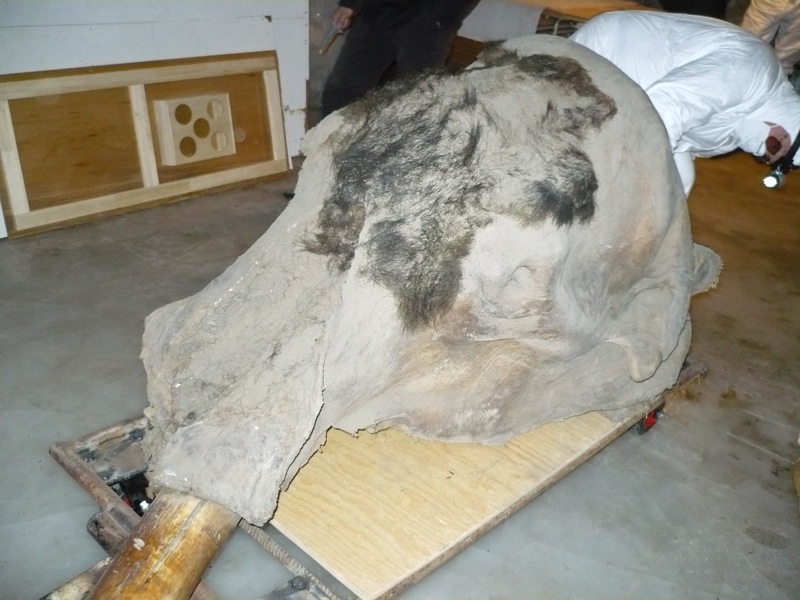
Fossils and frozen remains have been found across northern Eurasia and northern North America. Some of the best preserved carcasses came from Siberian permafrost, where soft tissues, hair and stomach contents have occasionally survived long enough to be studied. The species appears in multiple glacial and interglacial deposits; some records suggest it was present in Eurasia during earlier cold phases, and populations shifted with changing climate and habitat availability.
Interactions with humans
Humans and woolly mammoths coexisted for thousands of years. Archaeological evidence shows people hunted mammoths and used bones and tusks as raw materials for tools, art and even shelter construction. Mammoth meat was an important food source for many groups. Artistic depictions — including portable carvings and cave paintings found in parts of France and Spain — attest to the animal's role in human culture and belief systems.
Extinction and scientific importance
The decline of continental woolly mammoth populations occurred around the end of the last glacial period, a time marked by warming, vegetation shifts and expanding human populations. Small remnant herds survived longer on Arctic islands; a dwarfed population on Wrangel Island persisted into the Holocene and is thought to have vanished around 1700 BC. Because of their recent survival in frozen conditions, mammoths have been central to studies in paleontology, ancient DNA and conservation genomics, providing insight into population declines, gene flow and past ecosystems.
Research avenues and notable facts
Woolly mammoth research spans several disciplines: paleobiology reconstructs their anatomy and ecology, archaeology examines human use, and genetics recovers population history from ancient DNA. Well‑preserved specimens have yielded genome sequences and proteomic data that clarify relationships within the elephant family and help trace migrations and genetic bottlenecks. Public interest remains high, and debates about de‑extinction and ecological restoration occasionally reference mammoth biology, though such proposals are scientifically and ethically complex.
Selected resources
- Taxonomy and species overview
- Mammoth genus information
- Comparisons within the elephant family
- Ice age climates and environments
- North American fossil sites and finds
- Eurasian fossil record and paleoenvironments
- Accounts of especially well‑preserved carcasses
- Siberian permafrost discoveries
- Pleistocene chronology and extinction context
- Insular dwarfism in mammoth populations
- Wrangel Island studies
- Cave art and cultural representations
Questions and answers
Q: What is the woolly mammoth?
A: The woolly mammoth was a species of mammoth, a large elephant that lived during the ice ages.
Q: Where can woolly mammoth remains be found?
A: Woolly mammoth remains can be found in northern North America and northern Eurasia, with the best preserved carcasses found in Siberia.
Q: When was the woolly mammoth species first recorded?
A: The woolly mammoth species was first recorded in deposits of a former glaciation in Eurasia, perhaps 150,000 years ago.
Q: Did the woolly mammoth coexist with early humans?
A: Yes, the woolly mammoth coexisted with early humans, who hunted them for food and used their bones and tusks as tools and dwellings.
Q: When did the woolly mammoth disappear from most of its range?
A: The woolly mammoth disappeared from most of its range at the end of the Pleistocene, which was around 10,000 years ago.
Q: Was there a dwarfed race of woolly mammoths that existed after the species disappeared from most of its range?
A: Yes, there was a dwarfed race of woolly mammoths that still lived on Wrangel Island until about 1700 BC.
Q: Have any cave paintings of woolly mammoths been found?
A: Yes, cave paintings of the woolly mammoth have been found in caves in France and Spain.
Related articles
Author
AlegsaOnline.com Woolly mammoth (Mammuthus primigenius) — Ice Age elephant Leandro Alegsa
URL: https://en.alegsaonline.com/art/109007
Sources
- beringia.com : "Yukon Beringia Interpretive Centre - Woolly Mammoth"