
Wolverhampton — city and metropolitan borough in the West Midlands
Wolverhampton is an English city and metropolitan borough in the West Midlands, known for its industrial heritage, transport links, sporting culture and historical market origins.
Overview
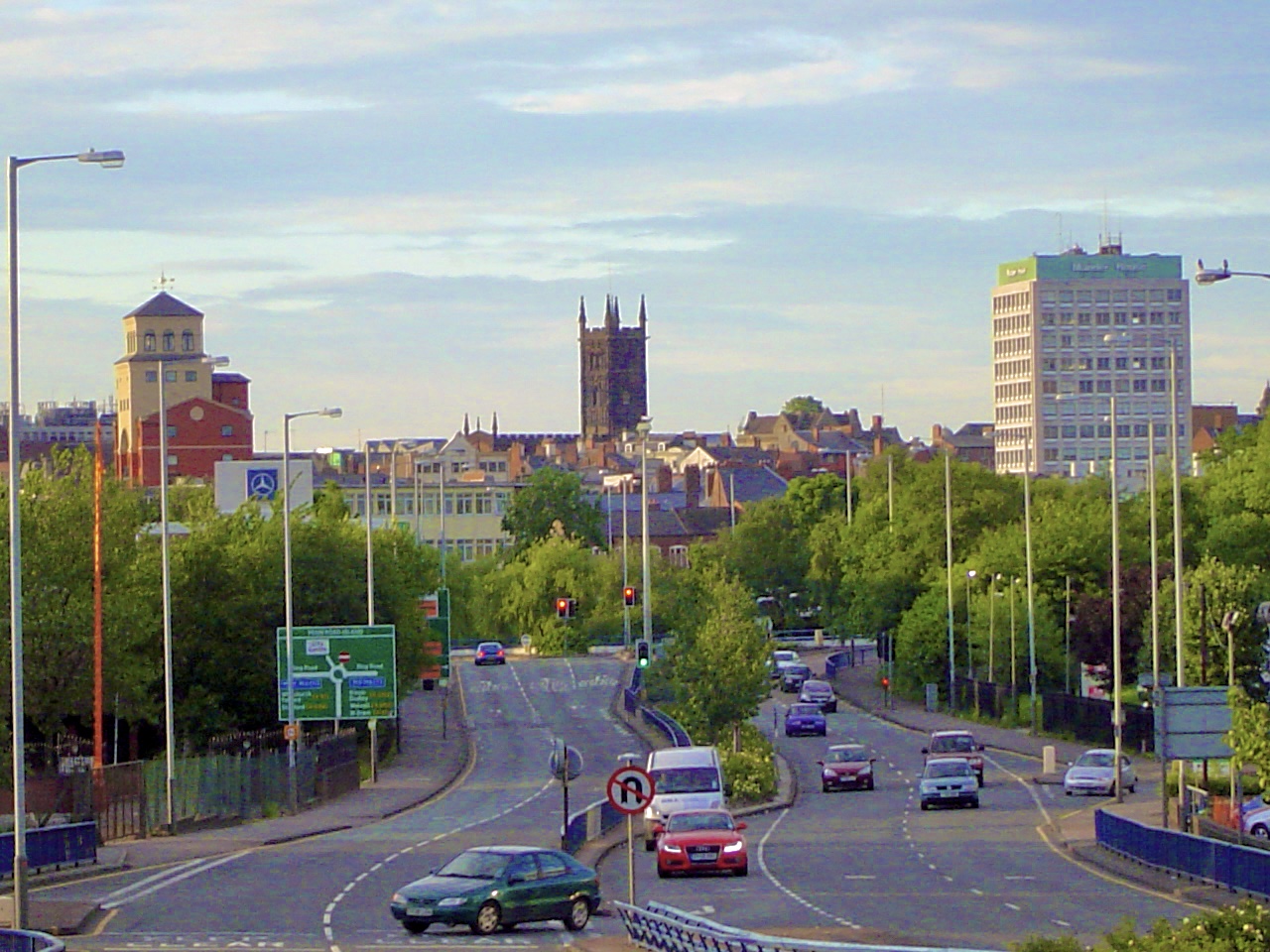
Wolverhampton is a city and metropolitan borough located in the West Midlands region of England. Historically part of Staffordshire, it lies to the northwest of Birmingham and is one of the largest population centres in the county. According to the 2011 census the city had about 249,470 residents, and it functions as an administrative, commercial and cultural hub for the surrounding area.
Image gallery
10 Images



Origins and historical development
Wolverhampton began as a market town with medieval roots. Over several centuries the town developed craft and textile trades, notably a regional woollen trade, before expanding rapidly during the Industrial Revolution. The availability of local resources and improvements in transport helped the town to grow into an important centre for extractive and manufacturing industries.
Industrial growth and economy
From the 18th century onwards, Wolverhampton became associated with a range of heavy and precision industries. Key sectors included coal mining, steel and metalworking, the manufacture of locks and other security hardware, and vehicle production such as cars and motorcycles. These activities shaped the city's urban landscape and workforce. In the late 20th and early 21st centuries the local economy diversified into services, retail, education and light industry while retaining industrial heritage sites.
Transport and connections
Wolverhampton has long been a transport junction. The main railway station sits on the West Coast Main Line and connects directly to many destinations, enabling both commuter and long-distance services. Typical direct rail links serve cities such as London, Manchester and regional centres including Shrewsbury and Walsall. Longer routes provide access toward the south-west (for example Cornwall), the north (including parts of Yorkshire) and major Scottish cities like Glasgow and Edinburgh, as well as services reaching areas of Wales.
Culture, sport and civic life
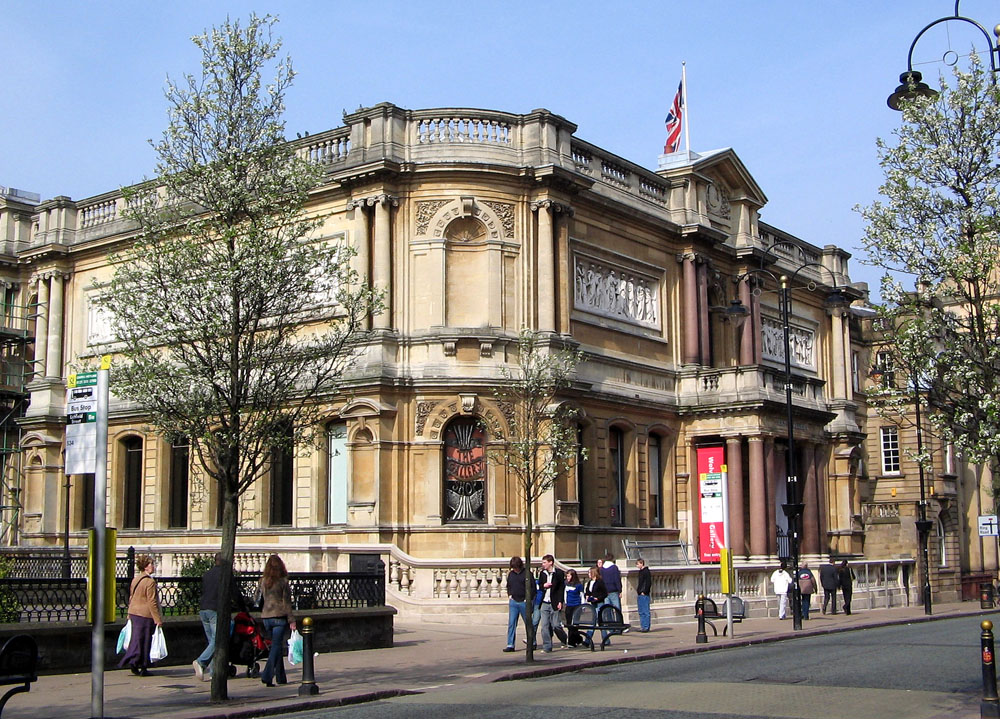
Sport plays a prominent role in the city's identity. The professional football club Wolverhampton Wanderers F.C. — commonly known as Wolves — competes in the English Premier League and attracts local and national followings. Football is one element of a broader cultural life that includes theatres, museums, festivals and civic institutions. The club and the city help to promote community initiatives and civic pride.
Notable facts and landmarks
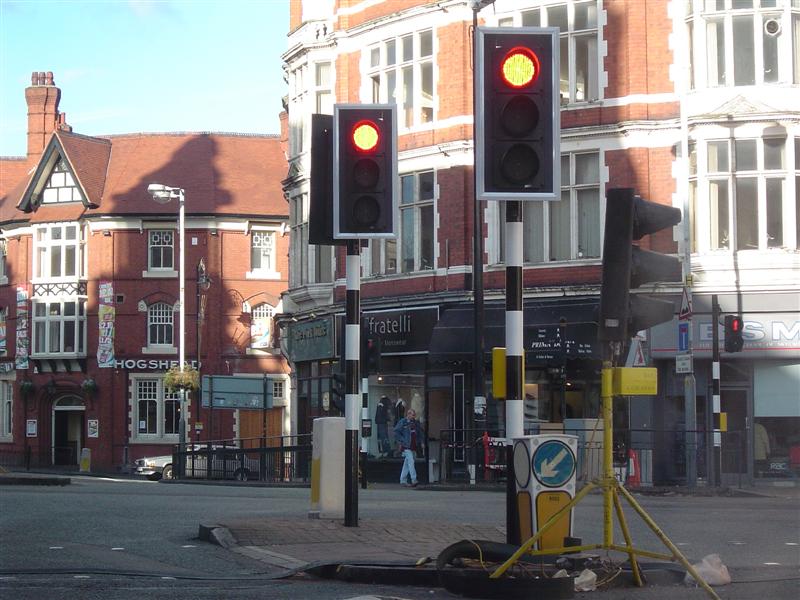
Wolverhampton's motto, "Out of darkness cometh light", reflects its industrial past and aspirations for renewal. The city's principal stadium is the Molineux Stadium, home to Wolves, and it retains historic marketplaces and industrial-era architecture. A small but oft-cited piece of local history is that the UK's first set of traffic lights were installed in Princes Square, illustrating the city's early engagement with modern urban infrastructure.
Further reading and resources
- General civic information: city profile
- Local government: metropolitan borough services
- Regional context: West Midlands overview and England
- Historic county ties: Staffordshire
- Nearby urban areas: Birmingham
- Economic history: market town origins, textiles and industrialisation
- Key industries: mining, metalworking, locks, motor manufacturing
- Transport links: rail hub to London, Manchester, Shrewsbury, Walsall, Cornwall, Yorkshire, Glasgow, Edinburgh and Wales
- Sport and clubs: Wolverhampton Wanderers F.C. (football) in the Premier League; stadium: Molineux
- National context: United Kingdom
Related articles
Author
AlegsaOnline.com Wolverhampton — city and metropolitan borough in the West Midlands Leandro Alegsa
URL: https://en.alegsaonline.com/art/108855