
Motorcycle: Two‑Wheeled Motor Vehicle — Design, History, Uses and Safety
A motorcycle is a two-wheeled motor vehicle used for transport, recreation, and sport. This article explains its design, history, main types and uses, safety considerations, and notable distinctions.
Overview
A motorcycle is a two‑wheeled vehicle powered by an engine and intended primarily for carrying one or two people. Unlike four‑wheeled automobiles, motorcycles balance on two wheels like a bicycle but use a motor similar to a car. Riders may operate them alone or with a passenger, and some models can be fitted with a sidecar to carry an extra passenger or cargo. Motorcycles serve practical transport needs as well as recreational, competitive and commercial roles.
Image gallery
10 Images




Design and main components
Motorcycles vary widely in size and purpose but share a basic layout: an engine, frame, two wheels, suspension, steering (front forks and handlebars), braking system and seating. Common components and considerations include:
- Engine: ranges from small single‑cylinder units for commuting to large multi‑cylinder engines for touring and sport.
- Frame and chassis: the structural backbone that supports the engine and rider; less protective than an automobile chassis.
- Transmission and drive: manual or semi‑automatic gearboxes with chain, belt or shaft final drive.
- Suspension and brakes: designed for stability and control; modern bikes may have advanced ABS and electronic aids.
- Ergonomics: seating position, handlebar height and footpeg location influence comfort and control.
History and development
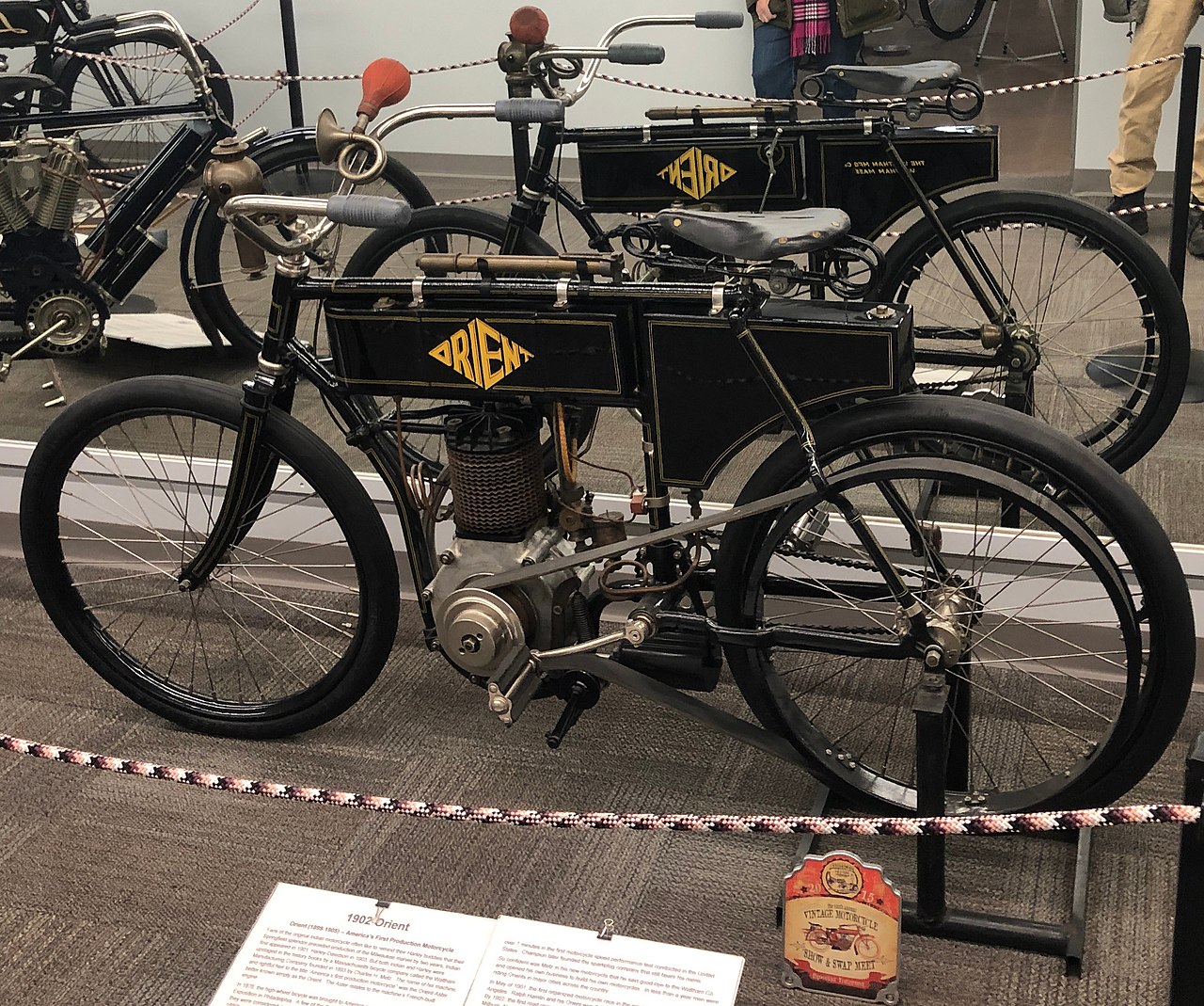
Efforts to combine wheels and motors date to the late 19th century, with several experimental machines and early commercial models appearing before the 20th century. Inventors in Europe and North America refined designs through the 1890s and early 1900s. In the United States, companies such as the one founded in Springfield, Massachusetts in the early 1900s became prominent domestic manufacturers. Over the 20th century motorcycle technology evolved rapidly, with improvements in engines, materials and safety systems, and the market expanded globally.
Types, uses and cultural role
Motorcycles appear in many forms, each suited to different uses: mopeds and scooters for local commuting; standard and touring bikes for everyday travel and long distances; sportbikes for high performance; dual‑sport and adventure bikes for mixed on/off‑road use; and cruisers for relaxed riding. In lower‑income regions, small motorcycles are an affordable primary transport. In wealthier countries, larger machines are often associated with leisure, clubs and competitive sport or hobby riding. Major manufacturers worldwide include brands such as Honda, Suzuki, Yamaha and the American maker Harley‑Davidson.
Safety, regulation and notable facts
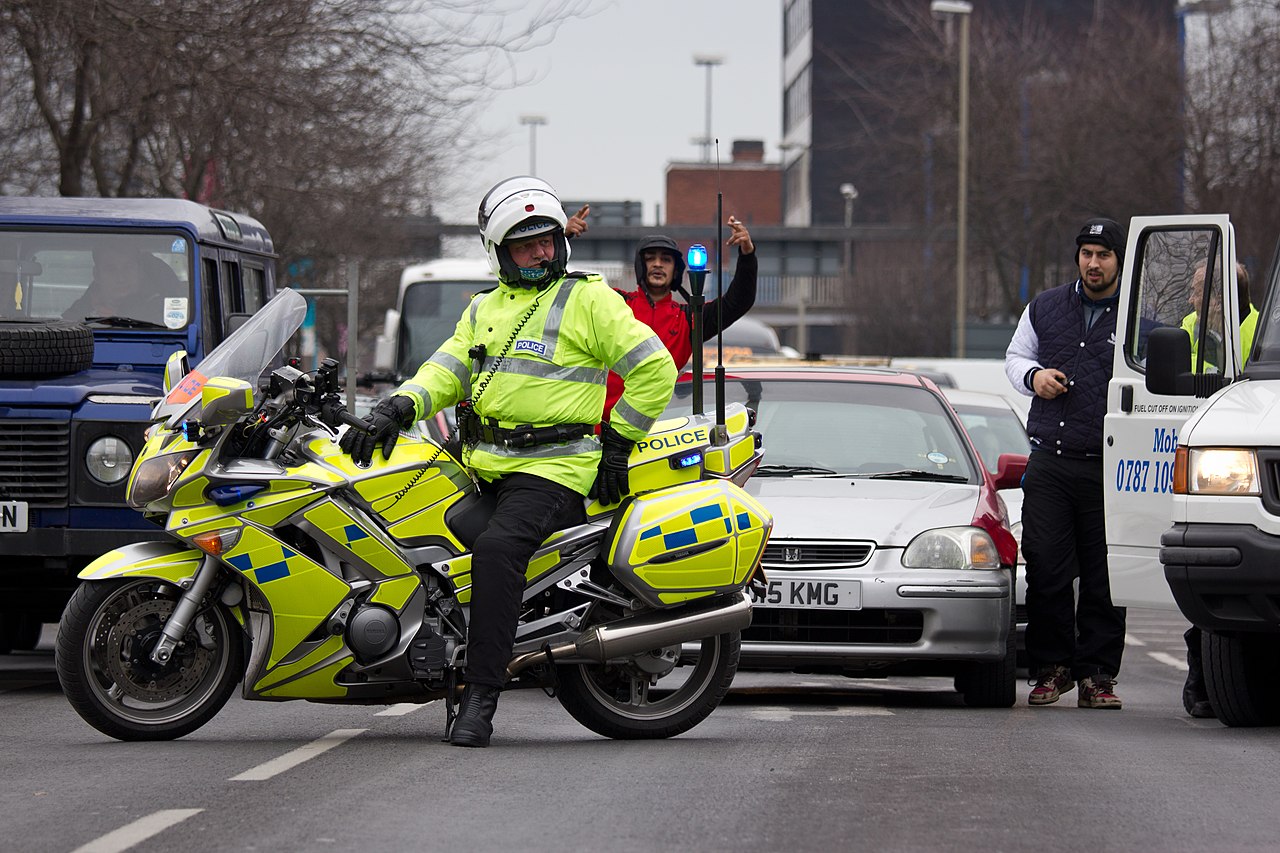
Because motorcycles are lighter and offer less physical protection than cars, riders face higher risk of serious injury in collisions and other incidents. Studies and reports emphasize that accidents can result in severe harm; riders are therefore advised to wear certified protective equipment, especially a helmet, and protective clothing with impact‑absorbing features. Weather exposure, limited cargo capacity and different licensing rules are additional practical considerations. Traffic laws, helmet requirements and rider training vary by jurisdiction and influence safety outcomes and rider behavior. For more background on vehicle classification and personal transport policy, see related resources about origin and manufacturing and regional studies on accidents.
Motorcycles remain a distinctive and versatile form of transport: efficient in traffic, appeal to enthusiasts, and essential in many economies where affordability and simplicity matter. For introductions to specific models, maintenance basics and rider training programs consult manufacturer and road‑safety guides via the links above.
Further reading: design guides and community resources are available from online repositories and manufacturer sites; for broader context see industry histories and regulatory summaries at relevant archives and transport authorities (vehicle overviews, bicycle‑to‑motor evolution).
External links and resources: brand pages and safety organizations can provide up‑to‑date information on equipment standards, licensing and training (passenger guidance, helmet standards).
Related articles
Author
AlegsaOnline.com Motorcycle: Two‑Wheeled Motor Vehicle — Design, History, Uses and Safety Leandro Alegsa
URL: https://en.alegsaonline.com/art/66928
Sources
- commons.wikimedia.org : Motorcycles
- fim-live.com : "History of Individual Motocross World Championships"