
West Coast Main Line
Major British rail artery linking London and Glasgow, serving intercity, regional and freight traffic; electrified trunk route with a long history and multiple operators.
Overview
The West Coast Main Line (WCML) is a principal rail corridor in the United Kingdom connecting London (Euston and the capital) with Glasgow (Scotland's largest city) and many major urban centres in between. It functions as a mixed-traffic trunk route, carrying long-distance intercity trains, regional and commuter services, and significant freight movements.
Image gallery
2 Images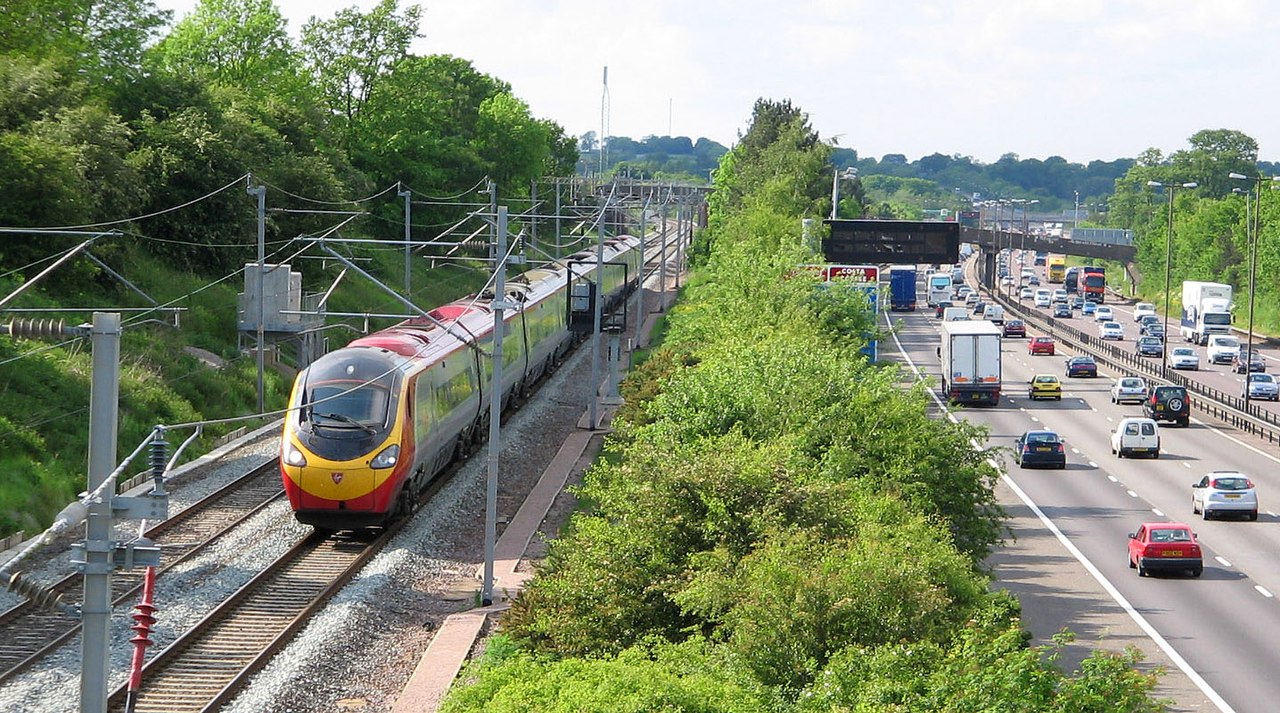

Route and characteristics
The line runs through key cities and junctions, serving Birmingham, Manchester, Liverpool-area connections and other towns on its north–south axis. Much of the route is electrified and engineered to support high-speed intercity services; infrastructure includes multiple-track sections, major junctions, and freight-friendly alignments. Modern rolling stock includes tilting trains designed for the route's curves and high-capacity EMUs used on shorter runs.
History and development
Originally constructed in the 19th century by a collection of railway companies, the corridor was unified over time into a single main line. It underwent major 20th-century modernization and electrification in stages, and later improvements have focused on signalling, track renewal and capacity upgrades. Following nationalisation and the era of British Rail, the WCML has been served by several private operators under the UK's franchising system.
Services and operators
Long-distance passenger services on the WCML have been operated by different companies. Notable operators have included Virgin Trains and CrossCountry, while franchise changes have introduced new brands and train fleets. The line also supports regional and commuter services that provide important links for daily travel and local economies.
Importance and notable facts
- The WCML is a strategic transport artery for trade and passenger mobility between England and Scotland.
- It carries a mix of traffic types, making it one of the UK's busiest and most complex mixed-traffic routes.
- Ongoing investments aim to balance speed, capacity and reliability for both passenger and freight customers.
For travellers and planners the West Coast Main Line remains central to Britain’s rail network, combining historic origins with ongoing technological and operational developments to meet contemporary transport needs.
Related articles
Author
AlegsaOnline.com West Coast Main Line Leandro Alegsa
URL: https://en.alegsaonline.com/art/107349