
Woodburn, Indiana — overview, history, and community profile
Woodburn is a small city in northeastern Indiana, United States. This article outlines its location, development, local economy, government, and community features.
Woodburn is a small city in northeastern Indiana, in the United States. It is a compact, primarily residential community with ties to the surrounding agricultural landscape and regional transportation networks. Woodburn retains a small‑town character while serving residents with basic municipal services, local shops, and civic institutions.
Image gallery
2 Images
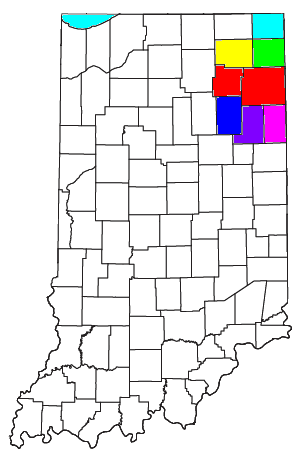
Location and character
Woodburn sits within a largely rural portion of the state and functions as one of several small municipalities that support nearby larger urban centers. The city is characterized by low‑density neighborhoods, farmland on its outskirts, and a modest commercial strip. Its setting makes it typical of many Midwestern towns that balance residential life with nearby employment and services found in larger cities.
History and development
Like many communities in Indiana, Woodburn grew up in the 19th century as settlement expanded across the region. Its development was influenced by agriculture and local transportation routes that connected farms to markets. Over time the town established schools, churches, and civic institutions that anchored community life; later decades saw gradual residential growth and modernization of municipal services.
Economy, government and community life
The local economy is mixed, with small businesses, service providers, and agriculture in the surrounding countryside forming the backbone of activity. Municipal government typically focuses on essential services such as public safety, utilities, and maintenance of parks and streets. Community life centers on school activities, local organizations, and seasonal events which bring residents together.
Notable features and practical information
- Small‑town atmosphere with a close-knit community and local civic groups.
- Access to regional amenities and employment opportunities in nearby urban areas.
- Public services provided by local government and volunteer organizations.
- Historic buildings and local traditions that reflect the city's agricultural roots.
For official information about municipal services, events, or local contacts, consult local government resources or community websites. Further regional context can be found through resources linked to the city, state, and national pages above.
Related articles
Author
AlegsaOnline.com Woodburn, Indiana — overview, history, and community profile Leandro Alegsa
URL: https://en.alegsaonline.com/art/108929